Marcus Odom
Fictional. Generated by AI — not a real person, and no likeness of one is intended.
38, billionaire in Eastern Kentucky · rolled by @colin.hasbrook · card — no film
History
who has worn him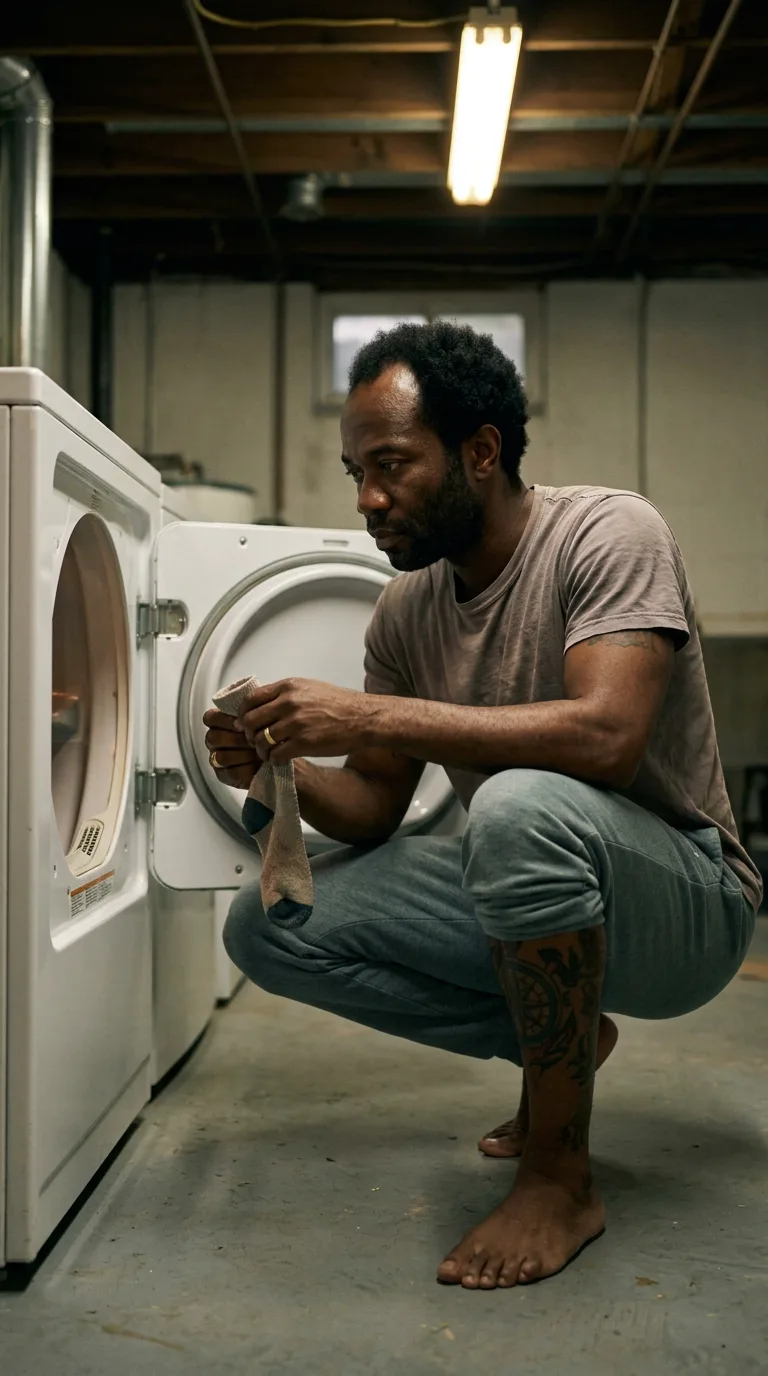
Rarest thing about him: Billionaire — rare, 1 in 488
Season 0seed 562831367 · engine v10
Character card
lineage 2NZHHJ
His body-swap story
@colin.hasbrook, wearing Nicholas Broda, rolled the wheel on and woke up as Marcus Odom, spent under a minute in him, then spun the wheel and woke up as Mark Pilarski
The knee is the reason. Nicholas Broda's knee, this stubby cop body's bad knee, aching on the cruiser's vinyl seat two hours ago like it's aged forty years since lunch, and you have been him for forty minutes and every one of them has hurt. You spun him up out of boredom or need or whatever it is that makes you spin at all, and now you're sitting in a parked squad car outside a Sheetz in Small-town Ohio with a knee that throbs when you bend it and a stomach that growls because Nicholas skipped breakfast, and you think: no. Not this one. Not today. You open the app on a phone that isn't yours, in a hand that isn't yours, thumb hovering — and something in you, something that has spun six hundred and sixty-five times before this, whispers that you already know a man worth more than this town who has three houses and no pain in his knees at all, and you pull.
The dryer door is warm against your knuckles before you know you have knuckles again. You are crouched, low, weight settled easy through both knees — no ache here, none at all, and that alone is a kind of pleasure so plain it almost makes you laugh out loud in his throat. A sock is balanced in your fingers, damp-warm, ordinary. Fluorescent light hums white above you. You pull the load and it drops heavy and fragrant into the basket at your hip, and your hands — his hands — are already moving, already folding, before you have decided to fold anything.
That's the first thing that comes through: the hands know this. Corners squared, sleeves tucked, a rhythm laid down over years by someone who does this himself, every week, because his wife works longer hours some seasons and somebody has to and he likes it, likes the smallness of it, likes that nobody photographs a man folding a fitted sheet. The basement smell — bleach, wood rot, the particular mineral cold of a Kentucky hillside pushing through concrete — opens a memory of him teaching his oldest to fold a towel into thirds, the kid getting it wrong on purpose to make him laugh.
The shirt on your back, when you notice it, is soft from a hundred washes, and it gives you the morning: him pulling it on in a dim bedroom while his wife slept, favoring the left shoulder because the right one had been barking since a boat trip two summers back, the joint pain that lives in him low and constant, background noise he stopped mentioning years ago. He'd stretched once, grimaced, decided against a pill, decided instead on coffee and the deck and a view he still isn't sure he deserves. You feel that unsureness sitting oddly next to fifty million dollars and more, feel a man who prays before meetings the way his father prayed before supper, who has never once had a drink to steady himself for anything, who sat once in front of an untouched glass on a terrace because touching it felt like admitting he needed it.
The wedding band on the left hand is warm from his skin, and through it comes a whole marriage — nineteen years, an argument about his mother's care that ended in her arms around his neck at midnight, three kids' worth of school plays he flew back for even when the flying cost more than the tickets ever could. His leg bounces once against the concrete floor, unbidden, old habit, nerves with nowhere left to go. The tattoo on his calf — a compass, faded green and blue, bold American lines — comes from a boy of twenty-two on a boat off Wilmington, before any of the money, before he knew which way anything was going to go, getting it because a friend dared him and because for one reckless hour he wanted his skin to say something permanent.
You know this weight of him now — average build, five-eight, a body that carries itself lower than the Philadelphia one you wore forty-six minutes and one life ago, no cushion of fat here, just an economy of movement that comes from money that never had to announce itself. Your eye drifts a little outward when you're not concentrating; you feel the muscle correct for it, a lifetime's small effort. The knee complaints of the last body are gone. This one aches instead in the shoulder, low and patient, a companion rather than a wound.
You finish the stack. Set it square in the basket. Look down.
Your hands turn over in the fluorescent light, unfamiliar and exact, a wedding band catching the tube's white glare.
"Didn't know I could fold like that," you say to the empty room, and somewhere behind your own borrowed eyes you're already wondering how long you get to keep them.