Walter Krupinski
Fictional. Generated by AI — not a real person, and no likeness of one is intended.
57, cop in Chicago · rolled by @colin.tarwater · card — no film
History
who has worn him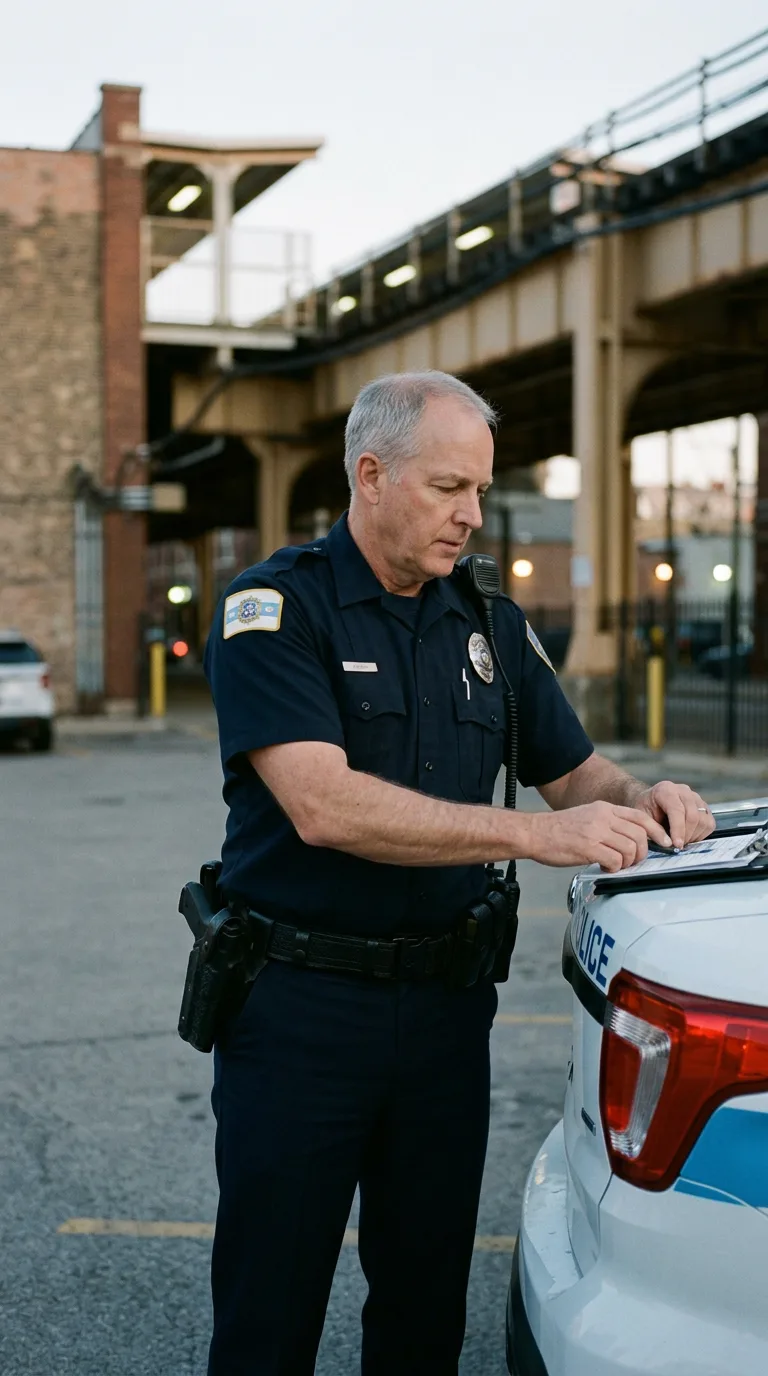
Rarest thing about him: A scar through the eyebrow — uncommon, 1 in 17
Season 0seed 1463538317 · engine v10
Character card
lineage COEU7T
His body-swap story
@colin.tarwater, wearing Emiliano Cabrales, rolled the wheel on and woke up as Walter Krupinski, spent under a minute in him, then spun the wheel and woke up as Rubén Azpeitia
—
The knife is down on the block, and you are looking at Emiliano's hand holding it, and you hate that hand a little, the way you've come to hate it over ten days — small-knuckled, soft at the base of the thumb, a burn scar from a fryer that healed shiny. Behind the counter the case lights hum. Somebody's abuela is asking for the good cut of the chuck, and you have said "sí, señora" in this voice so many times you could say it asleep, and that's the trouble, isn't it — you are asleep in this one now. Ten days and seven hours behind a glass case in Phoenix, cutting the same six animals into the same shapes, going home to an apartment with a mattress on the floor and dimples in a mirror you didn't earn. It was fine. It was never going to be more than fine. Your thumb finds the phone in your apron pocket before you've decided anything, the way it always does, and vessel.cards loads white and clean, and the wheel is already spinning under your finger before the woman finishes her sentence.
—
Your hand is on a clipboard on the trunk of a car and it is not your hand — it is broad, spotted at the knuckle, a wedding band cutting a groove into the fourth finger — and the pen in it stutters, drags the wrong line across the citation, and then, carefully, deliberately, starts the line again. Cold hits you everywhere at once, air with an edge like a blade left in a freezer, and somewhere above and behind you a train grinds along steel on steel, close enough to feel in the fillings of teeth you don't have anymore, teeth that belong to whoever this is. Your breath goes up in front of your face in a shape you didn't make. Below the cold there's a low ache low in the back, familiar the way an old injury is familiar to the body that owns it, and you do not own it yet.
—
The pen keeps writing, checked, careful, a signature you now realize is Walter Krupinski's, because the clipboard says so at the top, and his name arrives in you like a held breath let out. The belt around your waist is heavier than anything Emiliano ever wore — leather, steel, a radio mic clipped at the shoulder with its coiled cord brushing your jaw when you turn your head, and the brush of it brings back a locker room smelling of Ban deodorant and gun oil, thirty years of it, a locker with a Cubs sticker peeling at the corner and a photo taped inside the door: three kids at a lake in Wisconsin, squinting, the youngest missing a tooth. The shirt against your back is heavier too, navy poly-cotton, and it gives you the morning the way mornings come back to a man who's dressed himself the same way a thousand times without thinking — the specific tug of the collar button that's always been a little tight since he put on the ten pounds after forty, the click of the mic clip, the weight of the duty belt settling onto hips that ache faintly now every single day, the ordinary grunt he makes bending to tie the black shoes, laces double-knotted out of habit from a rookie year when one came loose at a bad moment. Diabetes lives in him too, a low current under everything — the vague thirst, the granola bar wedged in the glovebox, the way his wife starts checking the bread he's reaching for without saying anything about it anymore. Her name comes with the ring, heavy and plain against your finger: Carol. Twenty-nine years. The scar through his eyebrow arrives with a laugh in it, not a wound — a Little League bat, backswing, his own son's fault, forgiven before the stitches were out. Three kids, grown now, one still calling every Sunday at six sharp whether he likes it or not.
The lot is under the tracks, brick going dark blue with the last of the light, his squad car's paint cold under your palm when you brace against it. His hands — hands that have done this ten thousand times, that know the weight of a nightstick and the particular give of a pen that's almost out of ink — did the line wrong for half a second and then did it right, ten times over, checking work that stopped needing to be checked around the Clinton administration. He never felt the seam. He is simply gone, the way all sixty-four before him were simply gone, folded into whatever this collection actually is on the other end, wherever it keeps them.
—
You look down at the hand holding the pen — broad, spotted, a wedding band worn smooth on the inside from three decades of never taking it off — and you turn it over slowly under the sodium light coming on somewhere down the block, watching the fingers curl and open like you're testing whether they'll answer to you, and they do.
You look up into the dark under the L tracks and say, to no one, in a voice with thirty more years of gravel in it than you've used in a decade, "Okay. Okay, let's see what you've got."
—