Emiliano Cabrales
Fictional. Generated by AI — not a real person, and no likeness of one is intended.
24, butcher in Phoenix · rolled by @colin.tarwater · card — no film
History
who has worn him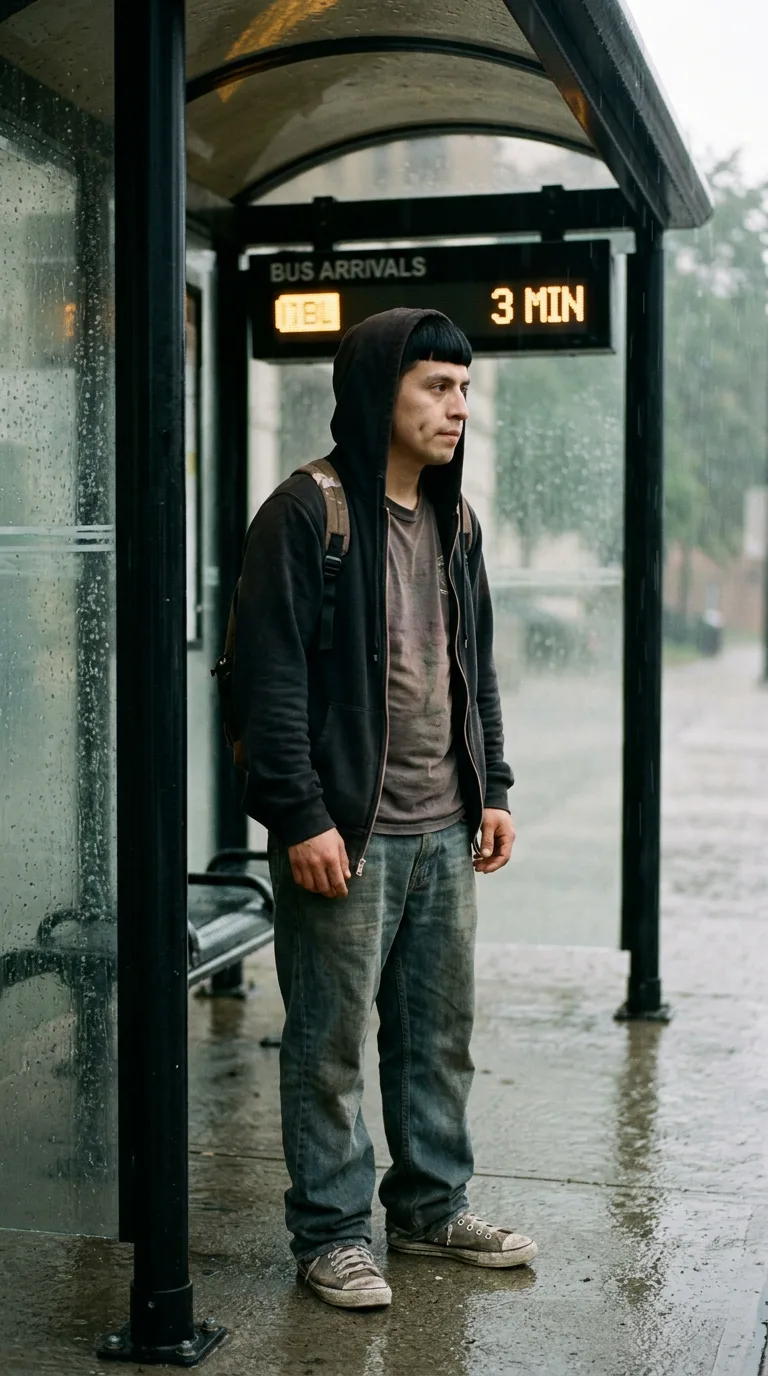
Rarest thing about him: Dyed black — epic, 1 in 94
Season 0seed 1747183355 · engine v10
Character card
lineage COEU7T
His body-swap story
@colin.tarwater, wearing Roy Dettman, rolled the wheel on and woke up as Emiliano Cabrales
The moving straps have cut into this Ohio shoulder every day for eleven years and today, standing in Gary's garage with a dresser half wrapped in blankets, that shoulder tells you something you've heard before: this body is done being interesting. Fifty-nine years in it, less than a minute of it yours, and already you know its ceiling. Green eyes watching the couch cushions someone left out in the rain, dimples you didn't earn creasing when a joke lands wrong. You set the dresser down. You think about the phone in the truck, the site you bookmarked before you were even sure you'd use it again. Boredom isn't the right word. It's more like standing in a room you've already furnished. You go anyway. You always go.
The rain hits you first — warm, not cold, needling down onto an upturned face that isn't flinching from it. You are shorter now, planted low and solid, weight riding differently through hips that have never carried this much of it before. A bus shelter roof drips somewhere behind you. Your hood is pushed back off wet hair, black, cut too straight across the forehead, and water is running down into the collar of a hoodie that was dry an hour ago. Your arms don't ache. That's the first thing that registers as strange after so long inside a body that always ached somewhere.
The backpack strap is what opens him. Just the pressure of it against your collarbone, and there's a flash — Marisol laughing at him for wearing it even in the rain, said it'd mold, said he'd rather ruin a sixty-dollar bag than his phone, and he'd said probably, yeah, and she'd kissed him for it. Then more: an apartment two bus routes from here, a high chair still up from breakfast, a boy not yet two who says "Emi" for himself before he says anything else. The hoodie against your back gives you this morning whole — Emiliano pulling it over his head in the dark so as not to wake either of them, the zipper catching the same spot it always catches, the smell of it, detergent and the ghost of the shop underneath that never fully washes out no matter how hot the water.
The shop gives you more than the clothes do. Your hands know it before your mind does — the weight shift of a boning knife, the particular give of a shoulder joint under pressure, the cold that lives in your forearms by ten in the morning no matter the season. Behind a counter that's gone quiet on a Saturday, trays under glass, the bell over the door that means somebody's come in for carne asada cut thin the way old Mrs. Delgado likes it. You've been there four years. You like the quiet more than you'd admit — the anxiety that sent you to a doctor at twenty-two lives easier in a cold room with a job for your hands than it does anywhere with people expecting conversation. The pills are in the cabinet at home, taken most mornings, not this one — you left in a hurry, chasing a bus that was always going to make you late anyway.
Standing here soaked through, you get the whole shape of him: twenty-four years old, a boy of his own, a woman who still laughs at the backpack thing, a mother two towns over who calls on Sundays, a body he complains about in the mirror and has never once been unable to work with. Skinny fat, he calls it, not unkindly. Deep dimples his son already has, small mirror of them. He was standing under this shelter watching a sign that said three minutes and thinking about nothing much — the smell of the wet street, whether Marisol had remembered the appointment for the boy — when something in him decided the rain wasn't worth avoiding anymore, decided to just walk into it, face up, like it was owed to him.
You look down at your hands. Small, wide, a callus riding the base of each finger where a knife handle sits a thousand times a week. Not the hands you had a minute ago, holding a dresser you'll never finish carrying. Water runs off your knuckles into the gutter at your feet, and you turn one hand slowly, palm up, like checking it for something that isn't there.
"Whose bus is this," you say, out loud, to no one, and you almost laugh, because it isn't yours, none of it is, not yet, and you don't know for how long.