Travis Odom
Fictional. Generated by AI — not a real person, and no likeness of one is intended.
31, trucker in El Paso · rolled by @justin.moy · card — no film
History
who has worn him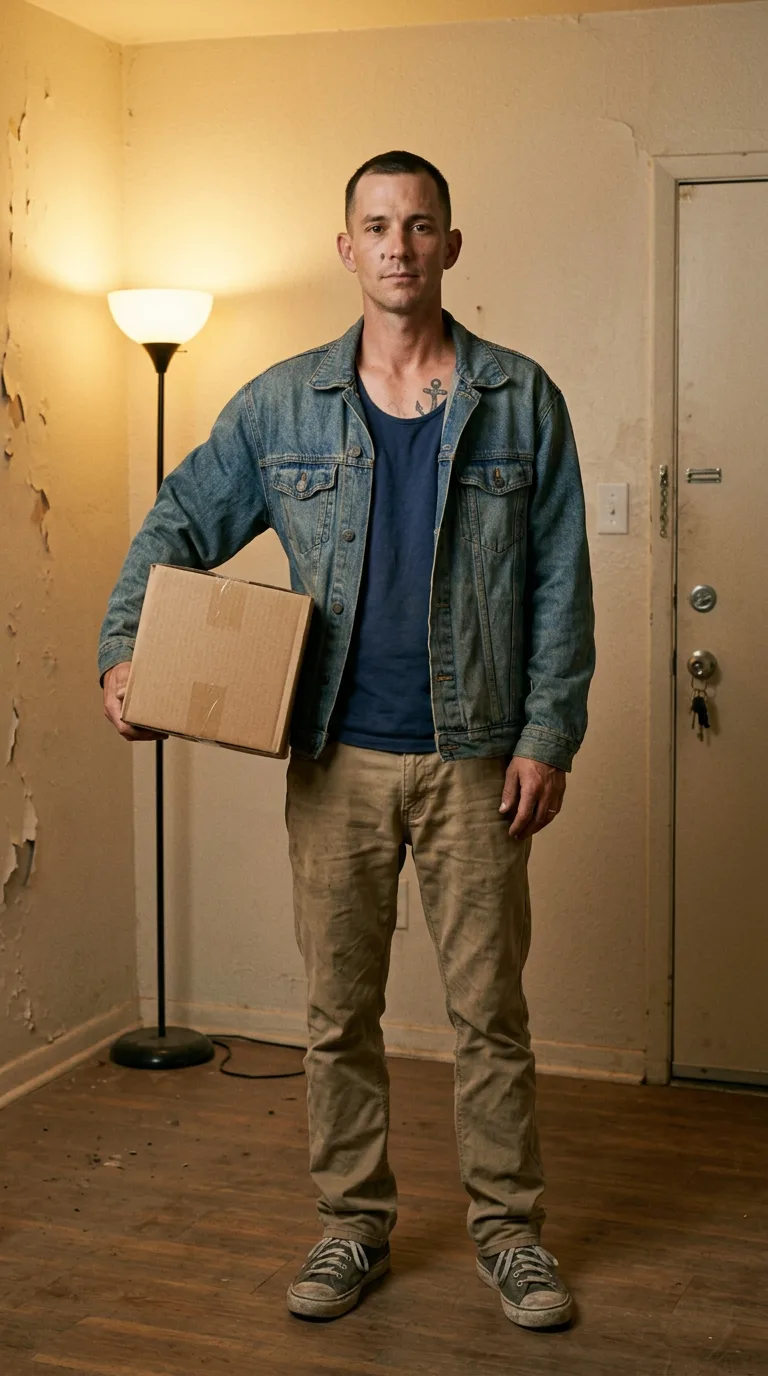
Rarest thing about him: Quitting right now — epic, 1 in 105
Season 0seed 216546010 · engine v10
Character card
lineage EN1F2L
His body-swap story
@justin.moy, wearing Dale Kessner, rolled the wheel on and woke up as Travis Odom, spent 45 hours in him, then spun the wheel and woke up as Gary Kowalczyk
The diner in Rural Texas smells like burnt coffee and floor cleaner, and Dale Kessner's knees hurt walking the same twelve feet of linoleum they have hurt walking for eleven years. You have been him less than a minute. His apron string is already cutting into skin that has thinned since the last time anyone but a doctor looked at it. Fifty-nine years old, wrong shoes for a shift that never ends, a customer three tables down snapping his fingers like that does anything. You know this ache is not going to become interesting no matter how long you stand in it. You wanted the wheel again before you even finished spinning it the first time — that's the truth of it, the thing you would not say out loud: five men in and the getting is better than the having, the arrival better than the day after. You find the phone in the apron pocket with Dale's cracked thumbnail, thumb the site open under the counter where nobody's looking, and you pay, and you spin, already leaving before the wheel stops.
The box goes down onto bare wood with a sound like a period at the end of a sentence, and you are the one who sets it down. Your hip remembers the weight of it leaving. Keys still hang from the door behind you, the new brass tooth of them not yet worn smooth. The room is empty except for a lamp somebody left plugged in from the last tenant, throwing yellow light up a wall that is shedding paint in curls. Skinny arms. A body wearing a denim jacket gone soft at the elbows. You are taller than Dale by a head and it takes your breath a second to find the bigger lungs. You walk the edge of the room the way he was already walking it, knuckles trailing plaster, checking a corner nobody's checked yet, home before the lights are properly on.
The keys give you the first of it — the landlord's voice on the phone, flat, this is a starter place, and Travis had laughed because starter implied there was somewhere better coming, and there hadn't been, not for years, not until now. The jacket gives you more: cold mornings on 54, the collar up, a girl he dated at twenty who told him the jacket looked like something his father would wear, and he'd said good, and married someone else two years later who never once mentioned the jacket at all. The tattoo under the collar of the tank top is next — his fingers, without meaning to, brush his own collarbone through the fabric, and it comes up ugly and immediate: nineteen, a shop in Corpus Christi that smelled like rubbing alcohol and menthol cigarettes, a buddy who swore the artist was good, an anchor that came out lopsided and childish, and Travis has hated it quietly for twelve years, has never once taken his shirt off at a pool in daylight without thinking about it. The wedding band gives you warmth, unadorned — Marisol's kitchen table, her laugh at something he said wrong in Spanish, their daughter's fever breaking at four in the morning while he sat on the bathroom floor with her against his chest, the particular sound this house — no, the old house, the one before this one — made settling at night, which he used to think was the pipes and was actually just the walls cooling.
The clothes remember getting put on this morning, before dawn in El Paso, though it is midday now in the room where you took him — a man on nights, three days off between hauls, dressing in the dark because Marisol was still asleep and the baby monitor was quiet for once: sleeve, sleeve, the jacket last because the house was cold before the sun found the block. His body is thirty-one and knows work — the door of a rig, the particular ache of shoulders that have hauled straps tight a thousand times, calves that don't complain yet the way Dale's did. Nothing hurts here. That is its own kind of loud, after Dale. You feel the boredom you've been quitting nicotine for, feel the mole high on his cheek like a coin someone pressed there and forgot, feel how easy it would be to want to stay exactly this long and no longer.
You look at your hands — his hands, long-fingered, a thin white ring-line where the band sits — and you turn them over once, the way he never quite does, and the knuckles crack on their own before you ask them to.
"Almost home," you say, to the empty room, to the keys still in the door, and you don't know yet if you mean it as him or as you.