Travis Kincaid
Fictional. Generated by AI — not a real person, and no likeness of one is intended.
33, construction foreman in Eastern Kentucky · rolled by @colin.hasbrook · card — no film
History
who has worn him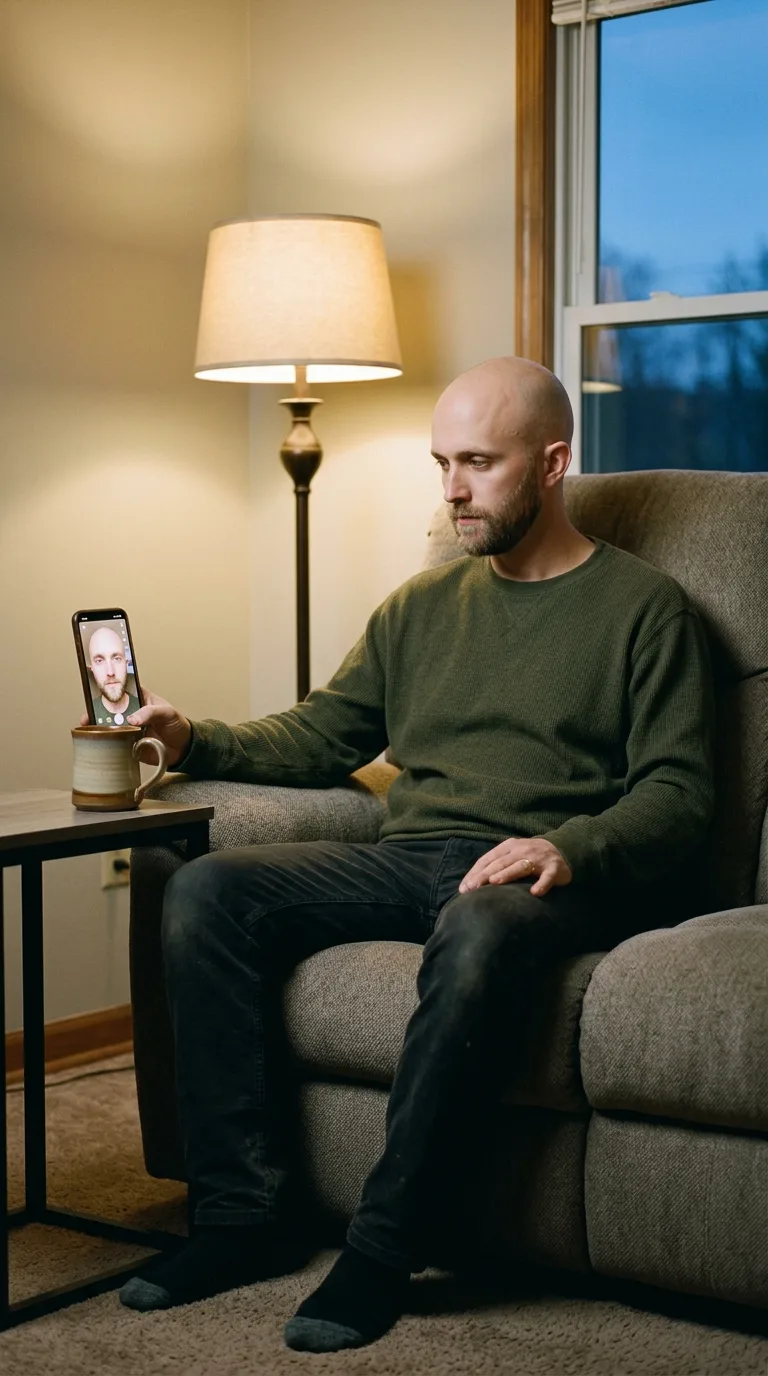
Rarest thing about him: Smokes and vapes — common, 1 in 52
Season 1seed 656478795 · engine v11
Character card
lineage 2NZHHJ
His body-swap story
@colin.hasbrook, wearing David Choe, rolled the wheel on and woke up as Travis Kincaid, spent under a minute in him, then spun the wheel and woke up as Warren Oxendine
The trading floor closes and David Choe's desk is dark by six, and you sit in his chair with his cleft chin propped on his fist, and you already know you are going to spin again before you have even admitted it to yourself. It has been less than a minute in him. You made three million dollars today, or he did, before you were him — the number sits on the screen and does nothing for you. That is the trouble with David Choe: everything about him works and none of it is a want, it's just a fact you're standing inside, hazel eyes reading numbers that used to matter to someone. Boredom, if you're honest, though you wouldn't say the word out loud. Six hundred and nineteen bodies ago you might have sat with this feeling. Not anymore. You take out your phone, you open vessel.cards, you pay, and your thumb — his thumb, narrow and quick, the thumb of a man who reads screens all day — taps the wheel before the guilt even has time to introduce itself.
The office goes.
There is a mug, ceramic, warm through your palm, the smell of coffee three hours cold. There is a phone propped against it, screen dark now, a green sweater sleeve pushed to your forearm, a chair with give in the cushion under a heavier weight than you've carried in years — skinny fat, soft over something that used to be harder. Your jaw has stubble instead of a clean line. The window beside you holds the last blue light before full dark, and somewhere outside a creek runs under trees you cannot see but the room already seems to know about.
The filter is gone. Whatever smoothed his face into something twenty-five has cut out and left the real jaw, the real thirty-three years of it, and a hand — his hand, wide-knuckled, a callus riding the base of each finger — comes up on its own first reflex and turns that jaw toward the lamp, checking it the way you'd check a wall for plumb.
The mug does it first. Ceramic, hand-thrown, a little lopsided at the base — Danny made it, freshman year of some pottery class, gave it to him for their third anniversary as a joke that stopped being a joke the day he actually used it every morning after. You feel the particular weight of nine years of marriage arrive through your fingers like heat off a stove: the wedding on the footbridge itself, cable strung with lights, both families standing in the wet grass on either side of the creek because neither side of town would host, and Danny in a jacket too warm for June, sweating and laughing and not caring. You feel a whole decade of waking up next to the same face and being glad of it, uncomplicated the way only something never once doubted can be uncomplicated.
The sweater gives you this morning — this very sleeve, pulled on standing in the bedroom with the cold floor coming up through socked feet, Danny already gone to the kitchen, the vest and boots waiting by the door for after, because today was supposed to be a short one, framing crew ahead of schedule for once. You feel your own shoulders in it, the small thickness at your middle you've stopped fighting, the ordinary tiredness of a body that spends its days climbing scaffold and pointing at rebar and does not spend its evenings at a gym anymore. Something in your lower back that has been there two years and never once stopped you from working. Hands that know rebar spacing without measuring, that know a bad weld by the sound alone before the eye confirms it. Not pride, exactly. Just competence worn in so deep it isn't even noticed, the way you don't notice your own tongue.
The socked feet against the carpet give you the site instead — noon light, not this hour's blue — the steel frame going up floor by floor behind him while he stood with a coffee going cold in his hand exactly like this one, foreman's clipboard, a crew that liked him because he never made anyone feel stupid for asking twice. Somebody's phone, held up: try this, man, it's funny, makes you look twenty again. And him laughing, propping his own phone against this same mug on this same table an hour ago, thinking of nothing, thinking of Danny picking up milk on the way home, thinking of absolutely nothing that mattered, which is its own kind of mercy now that you're the one standing in the wreck of it.
You lift the hand off the jaw and look at it under the lamp — thick fingers, a plain gold band worn thin along the underside where a wrench handle rides against it eight hours a day, a chip of drywall dust still pale in one knuckle crease. Not your hand. Not for years now has any hand been yours first.
You turn it once, palm up, palm down, the way he always did without knowing he did it, checking his own work.
"Danny," you say to the empty room, to the phone that isn't recording anymore, to no one, "you would not believe the day I had."
And you don't know, saying it, whether that's a lie or the truest thing this face has said all week — only that the wheel is still open on a screen somewhere in New York, in a man's hand that isn't his anymore either, and that this one, this ordinary green-eyed foreman with a marriage that works and a debt to no one, might get to keep his evening.
Might not.