Saul Kanter
Fictional. Generated by AI — not a real person, and no likeness of one is intended.
64, machinist in Honolulu · rolled by @colby.marsh · card — no film
History
who has worn him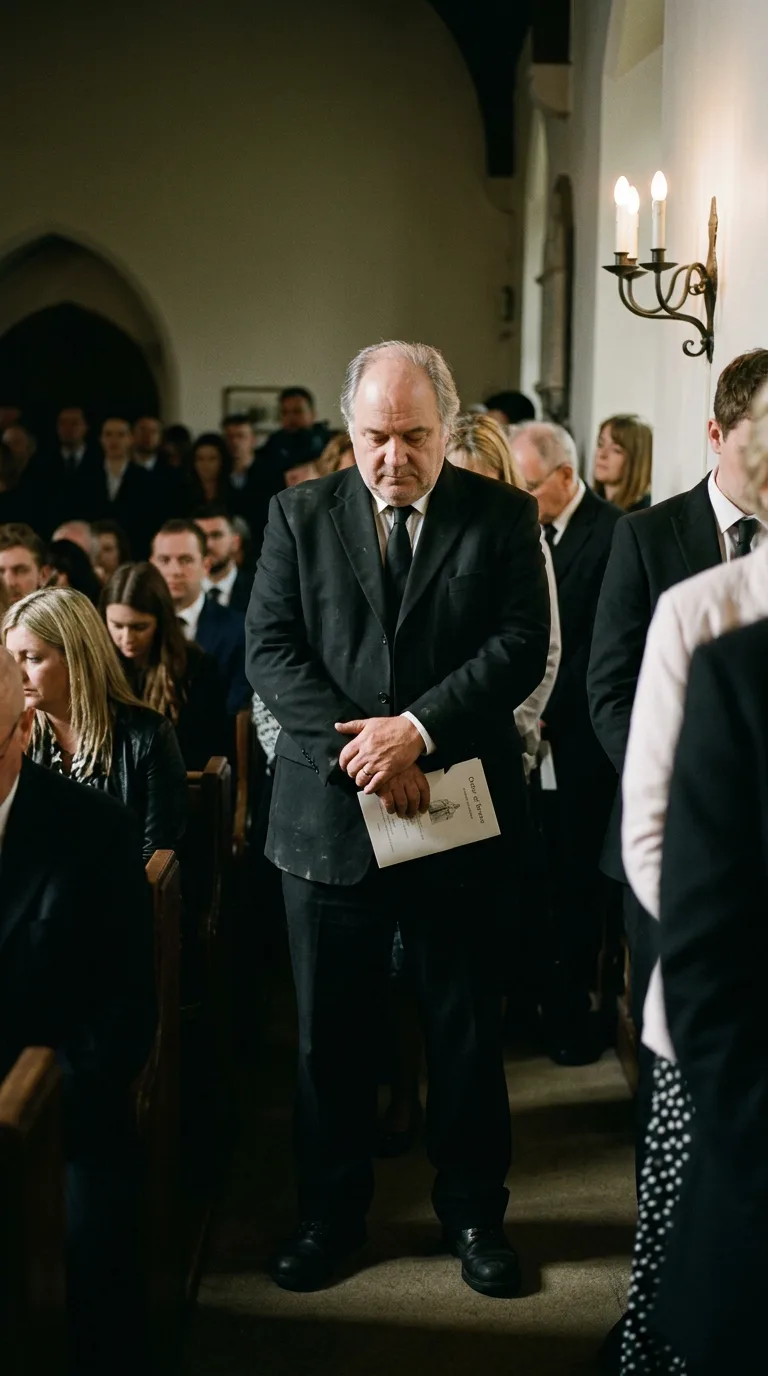
Rarest thing about him: Machinist — rare, 1 in 127
Season 0seed 1781289511 · engine v10
Character card
lineage PYNCV3
His body-swap story
@colby.marsh (admin), wearing Gregory Passeri, rolled the wheel on and woke up as Saul Kanter, spent 1 minute in him, then spun the wheel and woke up as Jesús Morales
Gregory Passeri's hands are folded on a desk that isn't his — it's the office they gave him when they made him a manager, and it still doesn't feel earned. Monday, mid-morning, and he's supposed to be reviewing a headcount memo. Instead he's looking at the gray in the backs of his own hands, the loosening skin, thinking about how yesterday his knee locked up walking to the car and his ex-wife's second husband didn't even bother pretending not to notice. Thirty-something spins in and every body starts feeling like this one eventually — familiar, then disappointing, then a room you've memorized every crack in. He opens the laptop. The site is already bookmarked, of course it is. He doesn't examine the wanting. He just spins.
—
The organ cuts off mid-chord and the silence is the first thing you feel, before you feel anything else — a whole room inhaling at once. Your knees know to lock before you tell them to. There is a coat on you, heavier through the shoulders than any coat you've worn, and a folded paper going soft in your fist from how long the hand has been sweating around it. Around you, six hundred people rise like one animal. You rise a half-beat behind them, learning the motion as you make it, and nobody turns to see the lag because grief makes everyone stare at their own shoes.
Your hands go to the front of the coat and smooth it down the way a man does before he has to look like he's fine.
The wool under your fingers gives you the fitting room first — a rental counter in a strip mall off Likelike Highway, a bored kid measuring his shoulders with a tape, his voice apologizing for the price out loud though nobody asked him to defend it. Grief and money, arriving together, the way they always do with him. Then the coat is on a hanger in a bedroom with louvered windows, and a woman's voice from the bathroom saying *you don't have to go, Saul, nobody expects you at four in the morning*, and him saying he does have to go, she was his cousin, he held her at her own wedding when the band played that song and she couldn't stop crying happy tears into his lapel.
The paper in your hand — an order of service, her photograph inked too dark, her name spelled with the h she'd dropped twenty years ago and nobody bothered to ask about — gives you the drive to the airport instead, gives you the wait at the gate at that hour when Honolulu is nothing but overhead lights and a Longs Drugs sign, gives you three vodka sodas he told the flight attendant were his first of the day. That part comes with its own weather, low and familiar, the specific shame of counting drinks in your head while telling someone else you haven't had any. His mouth remembers the taste more than his throat does.
The shirt against your back — this back, wide through the shoulders, heavier now than it was at forty, the low ache riding along the base of the spine that never fully leaves no matter how he sleeps — gives you standing at a lathe with steel curling blue-silver around his boots, forty years of it, the smell of cutting oil so deep in him it's under his wedding ring, worn thin and bright from the friction of work he still loves at an age when his knees have opinions about loving anything. Gives you his wife's hand finding the small of that back on nights it locks up, no questions, just pressure, the two of them married long enough that pain has its own choreography now. Gives you the ex-wife too, years back, a different kind of ache, the two of them better as people who used to be married than they ever were as the thing itself — and the kid between them, grown now, who calls on Fridays before shul starts and never once asks why his father's voice sometimes comes slower on those calls, thicker, a little late to its own sentences.
Your left hand finds the ring with your thumb, an old motion, his motion, not yours — and you feel the whole marriage in the metal, worn to a groove, a woman half a world and a whole ocean of years away from this cousin's coffin, asleep right now in a house on posts with a tin roof that pings when it rains, not knowing her husband's flight already landed, not knowing he is standing at the back of a chapel he didn't grow up in for family that was never quite hers either. Two in the morning there. Here, wherever *here* borrowed itself into being, mid-morning, a stranger's Monday laid over his Monday like a photograph on a photograph.
Your jaw wants to bite at the edge of a nail and you let it, an inch, before you catch the impulse belongs to someone else and stop.
You look down at the hand holding the order of service. Thick fingers, a nose you can't see but already know is a half-degree off from a fight decades gone, a ring worn into a life you did not live and are, as of thirty seconds ago, entirely inside of.
You lift your eyes off the paper, off the hand, up into the low gold light of the chapel, and past it, straight into wherever the next thing is.
"I'm here," you say — quiet, to no one, in his voice, meaning something he would have meant and you don't yet.
Nobody around you knows the difference. Neither, really, do you — not yet, not for however long this one is yours.