Gregory Passeri
Fictional. Generated by AI — not a real person, and no likeness of one is intended.
56, manager (mid-level) in Philadelphia · rolled by @colby.marsh · card — no film
History
who has worn him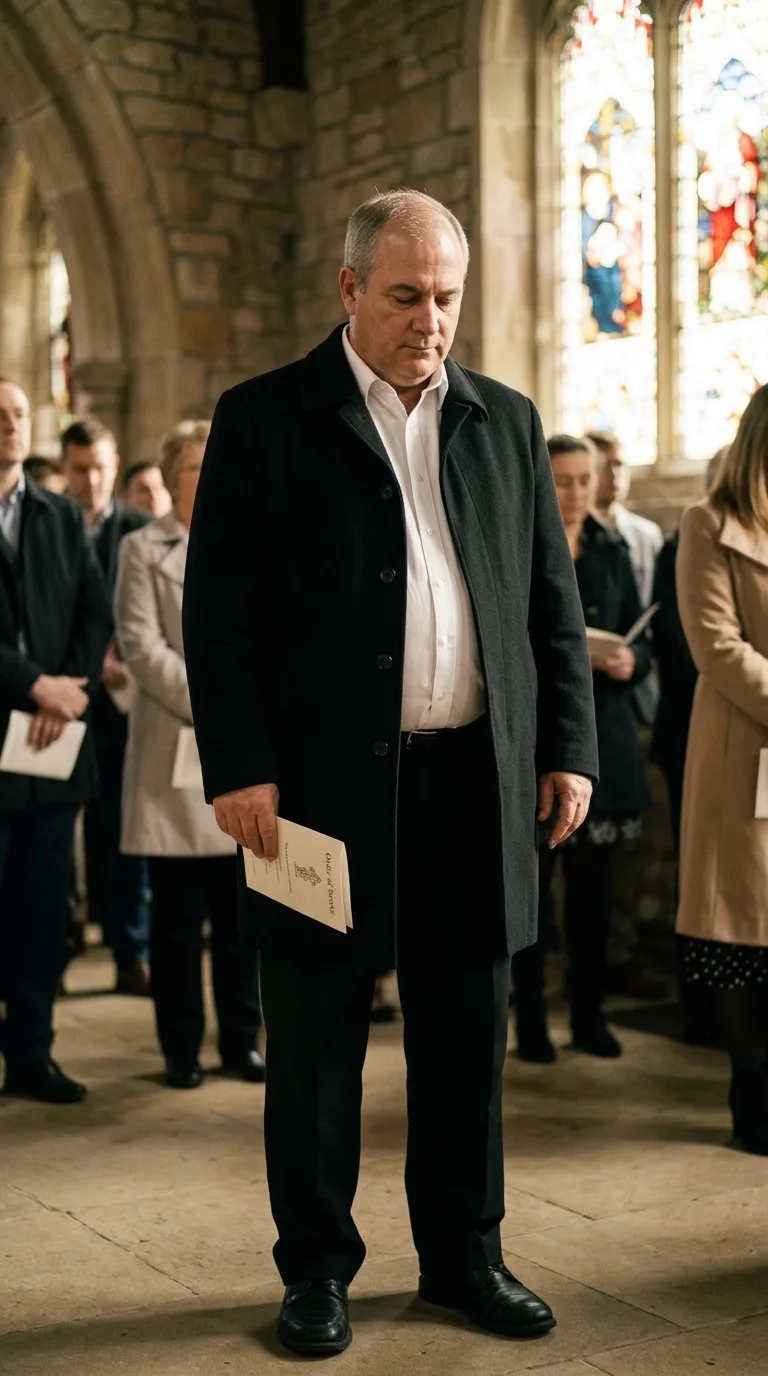
Rarest thing about him: At a funeral, at the back — rare, 1 in 106
Season 0seed 1539914058 · engine v10
Character card
lineage PYNCV3
His body-swap story
@colby.marsh (admin), wearing Wendell Tuakana, rolled the wheel on and woke up as Gregory Passeri, spent under a minute in him, then spun the wheel and woke up as Saul Kanter
Wendell's hands are not your hands and never were, but they are the ones you have had for less than a minute, and already the left one aches at the knuckle where the cold gets in before the sun does. Anchorage in the dark, the crew truck idling somewhere outside, a rope of work lights coiled at your — his — feet. You spun last night and became him mid-yawn, and you told yourself that was enough, that thirty-three men was more than enough, that a stagehand's shoulders could hold you a while. Then you stood there this morning making coffee in his ugly kitchen, feeling the smallness of his life settle into you like weather, and the wanting came up out of nowhere the way it always does, no reason you'd say out loud, just the smell of instant coffee and a job that starts at six and a body that will be sore by seven. So you left the water running. You didn't even turn it off. You went to the site instead, thumbed the wheel again with a stagehand's chipped nail, and let it spin.
The organ stops. Everyone stands. You come up a half-beat behind them, inside a heavier man, a warmer coat, a room that smells like candle wax and old stone dust, though the facts will tell you later it isn't stone at all where this one lives, only borrowed light through a borrowed window. Your — his — hand is closed around a folded order of service, the paper gone soft at the crease from being held too long. Nobody turns. Nobody ever turns.
The coat comes first, because it's touching him everywhere: heavy wool, not his own, borrowed from a closet that isn't named yet, and with it comes a flash of a hanger, a hallway, a voice — Gregory, hurry — and then it's gone, replaced by warmth: standing in this exact coat two years ago at somebody else's mother's funeral, uncomfortable in the same way, wondering why he still doesn't own a black coat of his own at fifty-six. He thinks of the dead man only in passing — a coworker's father, a name he'll forget by Friday — and that indifference sits strange and heavy in your chest, this obligation performed out of a habit of showing up rather than grief.
The order of service in his hand gives you more: the printer at the office, running off at seven this morning because he forgot yesterday, the particular annoyance of the paper jamming twice, Denise from the front desk saying take mine, and the two minutes he spent smoothing the crease flat with his thumb before he left, a small private ritual, a way of being useful when there's nothing useful to do. The thumb still remembers the motion. It wants to do it again now, standing here.
The shirt against your back is a rented kind of white, tucked in too tight at a stomach that's thickened steadily since forty, and dressing this morning comes back sleeve by sleeve — the second button that always fights him, the belt notched one hole looser than it used to be, the little grunt he makes doing his shoes up because bending over isn't what it was. Fifty-six years old and it shows in the knees, in the way his lower back has opinions about standing still too long, in blood pressure he doesn't monitor closely enough and knows it, a doctor's voice in the back of his skull that he's gotten good at not listening to.
The shoes on his feet, standing on old flagstone-cold floor, bring back the office instead — a glass-walled room with the door propped open on purpose, because he likes people to see he's reachable, likes being the manager who isn't hiding behind glass even though the glass is right there. Budget spreadsheets. A promotion he didn't get eleven years ago and has mostly stopped being bitter about. Nobody waiting for him at home. An ex he doesn't think about, because there isn't one worth thinking about — just an absence that stopped being sharp a long time ago and became simply how things are.
The nose remembers itself last, the way it always aches faintly on cold mornings, broken once — a pickup game, twenty-two years old, an elbow he never saw coming — and set by a doctor in a hurry, slightly crooked ever since, a thing he stopped noticing in mirrors sometime in his forties.
He drinks. Not at funerals, not yet, but the memory of wanting to is already there, a low hum under the ribs, patient, waiting for the reception after.
You look down. His hands — thick-fingered, gray hair at the knuckle, a soft paunch pressing at a belt he's had to move twice — turn the order of service over once, like checking it's still real.
You look up into the stained light, and say, quiet enough that nobody in the pew ahead turns around:
"Who even was this guy."