Ronald Kessner
Fictional. Generated by AI — not a real person, and no likeness of one is intended.
46, warehouse picker in New York · rolled by @colin.hasbrook · card — no film
History
who has worn him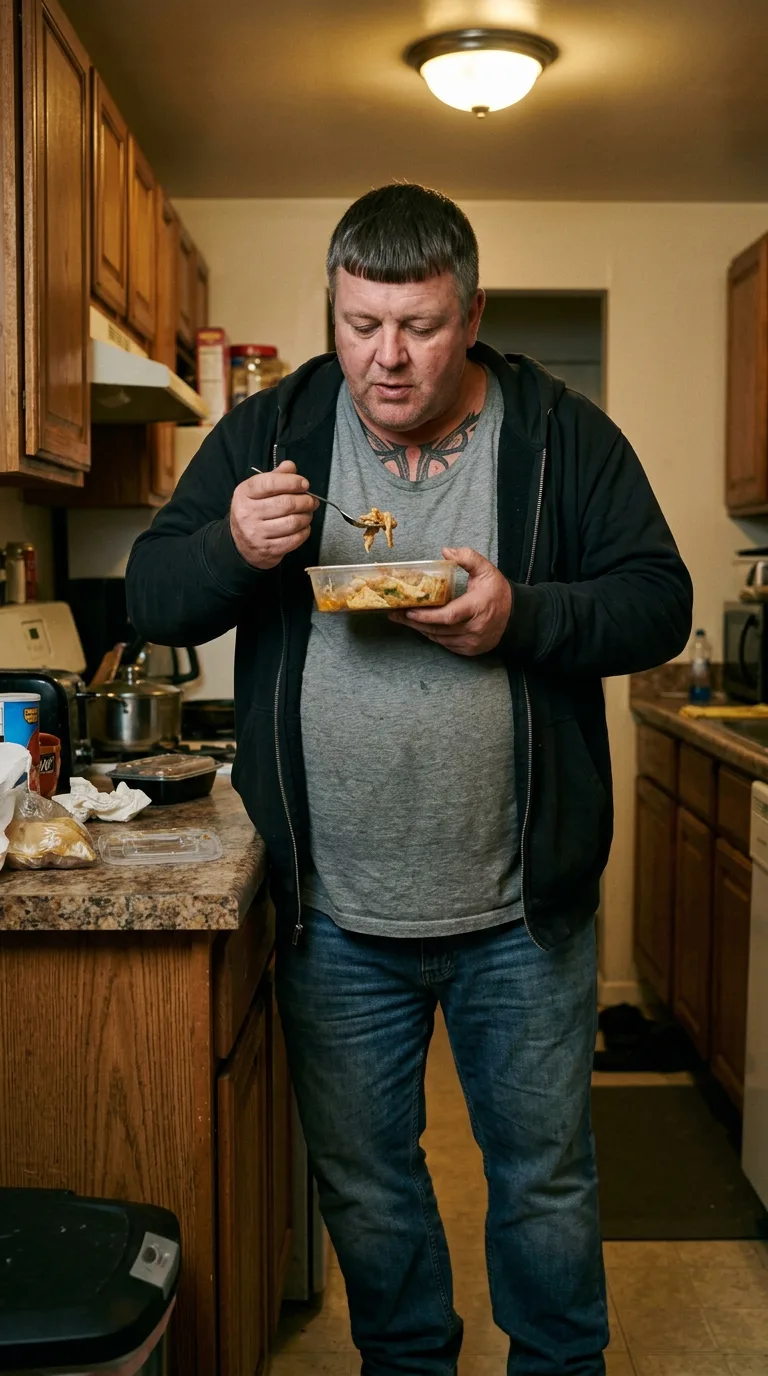
Rarest thing about him: A caesar — rare, 1 in 88
Season 0seed 454037587 · engine v10
Character card
lineage 2NZHHJ
His body-swap story
@colin.hasbrook, wearing Imran Sohal, rolled the wheel on and woke up as Ronald Kessner, spent under a minute in him, then spun the wheel and woke up as Gary Thistlewood
The mower is still ticking cool in the shed when you decide, standing there in a body that isn't yours to keep, that one minute wasn't enough. Twenty-eight years old, brown eyes, a beauty mark you keep catching in reflections that don't feel like your own face yet — you spun for a groundskeeper in Anchorage and got a man mid-stride across a lawn, and by the time you'd noticed the smell of cut grass, the taste of the air, the way his knees complained on the incline, it was already over. Sixty seconds of somebody else's Monday and you were back to wanting. It is the middle of the day here. It is the middle of something else somewhere. You go back to the page with the wheel on it because the itch is the same itch it always is: not this one, not yet, show me another.
The wheel gives you weight first — a thickness through the middle, a fullness in the shoulders and forearms that the last body didn't carry. You are standing at a counter. There is a fork in your hand, loaded, halfway to a mouth that is not the mouth you had a second ago, and your arm — heavier now, slower — finishes the thought your last self never started. The fork goes down. You shrug a coat off shoulders that ache faintly, low, a dull warehouse ache that has nowhere else to be. You sit. You eat the rest of the container in even mouthfuls, looking at a dark window that gives back nothing but the kitchen light and a doubled, unfamiliar man.
His name comes first through the collar of the t-shirt, where the tattoo is pressing cool ink-black lines against your collarbone — Ronald, and with it a flash of a tattoo parlor in Bay Ridge fifteen years back, a friend's bad idea, tribal shapes because they were cheap and looked tough and he was twenty-six and didn't think about it lasting forever. It lasted forever. His hands know the fork without you; they know a scanner gun better, the weight of it slung on the wrist strap, the particular tired stretch of a warehouse aisle at the end of a ten-hour shift with a forklift beeping somewhere behind racking he never turns to look at. Picker. Sixteen years at the same distribution center in Sunset Park, and the knowledge of it comes up through his forearms — which shelf heights hurt worse, which boxes he stopped lifting the right way years ago, the blood pressure medication he forgets more mornings than he takes.
The hoodie zipper under your fingers gives you this morning: him pulling the gray shirt on first, cold in the apartment, static crackle, then the hoodie over it because the warehouse is worse than the street, cargo pants because the belt loops hold the scanner holster, boots last, sitting on the edge of a bed that's only his half now — Denise stays over Thursdays, not tonight — lacing them the same crossed way he's laced boots since he was nineteen. The coat still on his shoulders now is the coat from the walk home, wet Brooklyn sidewalk, sodium light coming up orange in puddles, a cigarette he didn't light because he was already thinking about food. A pack a day, and the want of one is sitting low in his chest right now, patient, chemical, his and not yours.
Denise is a whole year folded into the doorknob you're not touching yet — two years together, her laugh at something stupid he said in the break room line at a bar that isn't there anymore, the particular quiet of loving somebody without any hurry to it, no ring, no talk of one, just Thursdays and some Sundays and her hand flat on this same tattoo like she's reading it. No ex worth the name. No kids, and something in him settled about that a long time ago, some old grief gone smooth as a stone. He believes in something — not church, hasn't been in decades, but something, out past the orange streetlight, a shape he doesn't put a name to and doesn't need to. He has never once, not one single evening of his life, wanted a drink, and the absence of wanting one is its own strange comfort in your throat.
The counter under your palms is cool laminate, chipped at the edge where he rests his hip. The container is nearly empty. Under the weight of him — heavy through the gut, solid through the shoulders, 46 years of gray coming in at the roots under cheap dark dye, that flat fringe cut like he does it himself with kitchen scissors because why pay — there is a body that has done the same aisle for sixteen years and will do it again tomorrow whether you are the one steering it or not.
You look down at the hand holding the empty fork. It is thick-fingered, a little swollen at the knuckle, a warehouse hand, nothing like the hand that mowed a lawn an hour and a world away. You turn it over once, like it might be somebody's idea of a joke.
"There you are," you say to the window, to nobody, to him.