Gary Thistlewood
Fictional. Generated by AI — not a real person, and no likeness of one is intended.
63, sales rep in Small-town Ohio · rolled by @colin.hasbrook · card — no film
History
who has worn him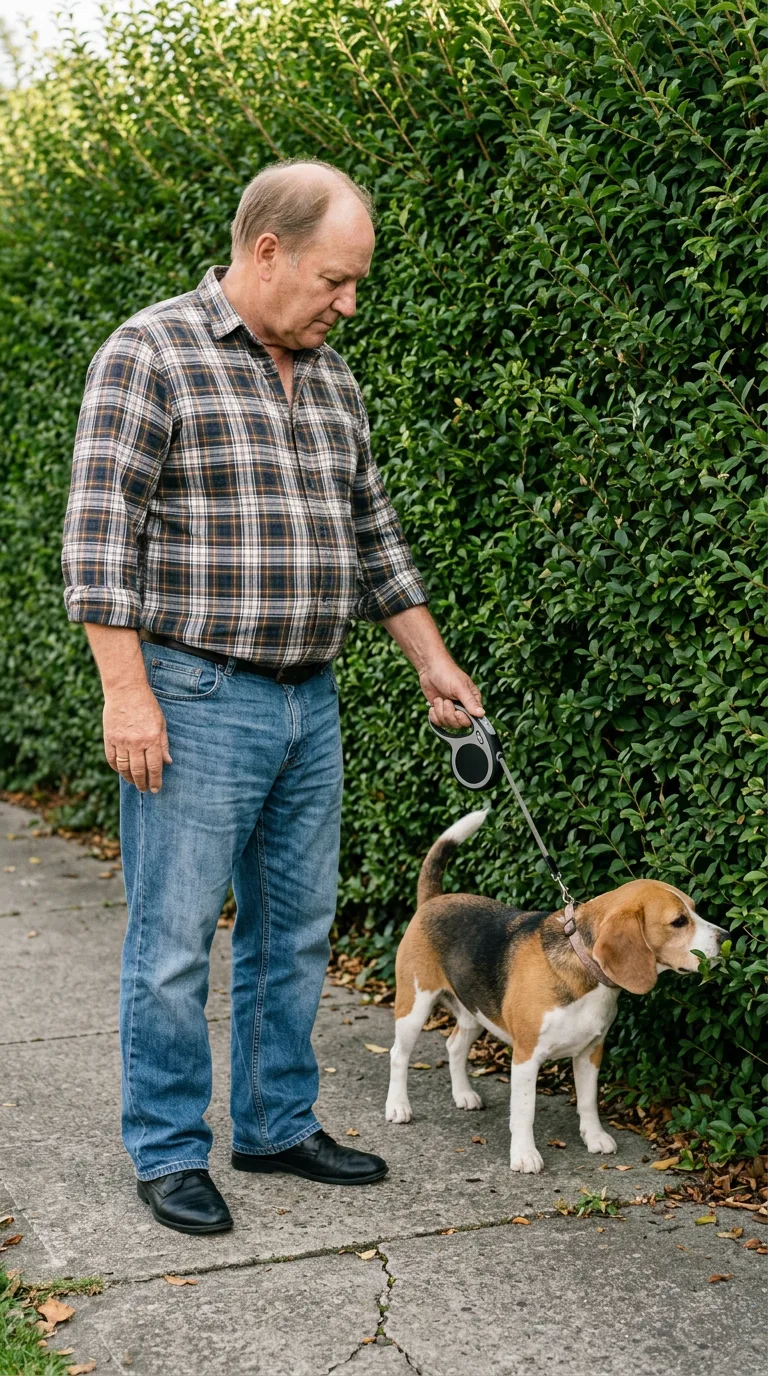
Rarest thing about him: Sales rep — rare, 1 in 63
Season 0seed 1043420411 · engine v10
Character card
lineage 2NZHHJ
His body-swap story
@colin.hasbrook, wearing Ronald Kessner, rolled the wheel on and woke up as Gary Thistlewood, spent under a minute in him, then spun the wheel and woke up as Tyler Vosnak
Ronald Kessner's knees are the first thing you feel wrong today — not yours, his, the ones you're borrowing, cracking as you shift weight by the loading dock with the phone still warm in his hand from the call. Forty-three minutes ago you were somebody's best friend. You were Corey Malinowski, thick-necked and grinning, cauliflower ear pressed to a stagehand's radio, dead less than a minute before you left him for this warehouse picker's gray hair and bad hips. You only wore Corey long enough to feel how much the man on the other end of that unanswered call loved him — how many times he'd texted, how many times Corey never texted back because Corey, in the end, wasn't built to last on a wheel that isn't yours. You didn't do anything to him. You just left, the way you always leave, and something about leaving a man mid-sentence, mid-friendship, sits in Ronald Kessner's chest like a stone you can't put down.
So Ronald opens the site again. Early evening in New York, Monday, the warehouse lot half-lit under sodium lamps, and his thumb — thick, capable, a little arthritic — finds the wheel out of something that isn't boredom exactly. It's closer to unfinished business. You want to know what it did to the man Corey left behind.
The dog's ears go back first.
You feel the leash before you feel anything else — thin nylon biting a little into a palm that has held a thousand leashes, a hand at the end of an arm that has stopped moving mid-stride. Hedge smell, cut grass, a stoplight two blocks down turning red for nobody. The weight of you is different now: heavier through the middle, softer, a low ache riding both knees and settling worst in the lower back, an old complaint the body already knows how to carry without asking permission. The hand — his hand — winds the leash twice before you've decided anything, some old muscle habit finishing itself, and the dog looks up at you with its ears still back, reading something in a face that hasn't moved.
The flannel shirt gives it up first, cuffs rolled the way he rolls them without thinking, and you're standing in a bedroom that smells like cedar closet and Old Spice, buttoning up in the mirror while a woman's voice from downstairs asks if he's taking Biscuit before dinner or after. Linda. Thirty-one years married to a woman named Linda who still leaves her lipstick print on his coffee mug some mornings out of habit more than romance, and he loves her for the habit more than the romance too, if he's honest, which he mostly is these days. The shirt remembers his own hands rolling those sleeves this morning, up past the forearm, the same two-fold, always two, because three looks sloppy and one falls down by lunch.
The belt gives you the gut it's been fighting for a decade — cinched one notch tighter than comfortable, a joke between Gary and himself that nobody else is in on. Under the jeans, the knees complain in a language you're starting to translate: stairs are a negotiation now, and kneeling to tie the dog's leash to the porch rail is a whole production he does slower than he used to and pretends not to notice.
The lanyard is still around his neck from work — he never takes it off till he's showered, forgets it, Linda teases him about wearing his badge to walk the dog — and touching the laminated card brings a conference room in Columbus, fluorescent and cold, a hotel lobby smelling of carpet cleaner and old coffee, a deal he closed eleven years ago that put both kids through two years of college between them before the money ran thin again. Sales rep, territory covering half of Ohio, a crooked nose he got at nineteen from a car door swung the wrong direction at a wedding, never fixed because Linda said she liked it, said it made him look like he'd lived.
Two kids: a daughter in Cincinnati who calls every Sunday, a son who doesn't call enough and Gary doesn't say anything about it, just asks Linda how he's doing and lets her be the bridge.
Corey. That's the one that comes up sideways, off nothing you're touching — off the shape of loss already sitting in this body's chest before you ever arrived in it, because grief doesn't care whose it started as. Corey Malinowski, Linda's late brother's kid practically, close as blood, thirty-one and loud and always underfoot at the holidays, teaching Gary's son stage tricks with rigging rope in the backyard. Gary doesn't know yet. Won't know for hours, maybe longer, that the phone in the kitchen already has three missed calls from a Boston number he hasn't checked. You know. You were there for the last minute of it.
The dog tugs. Somewhere under the ache in the knees, the hand that can't sit still even now taps twice against the leash handle, an old tell, nervous energy with nowhere to go.
You look down at it — spotted with age, wedding band catching the porch light two houses down, knuckles a little swollen — turning it slow like you're checking it's really yours.
"Hey, bud," you say, to the dog, but you're looking past it, down the empty street toward a stoplight that isn't changing, "let's not tell your mother how long we took."