Rafael Cendejas
Fictional. Generated by AI — not a real person, and no likeness of one is intended.
65, retired in New Orleans · rolled by @colin.hasbrook · card — no film
History
who has worn him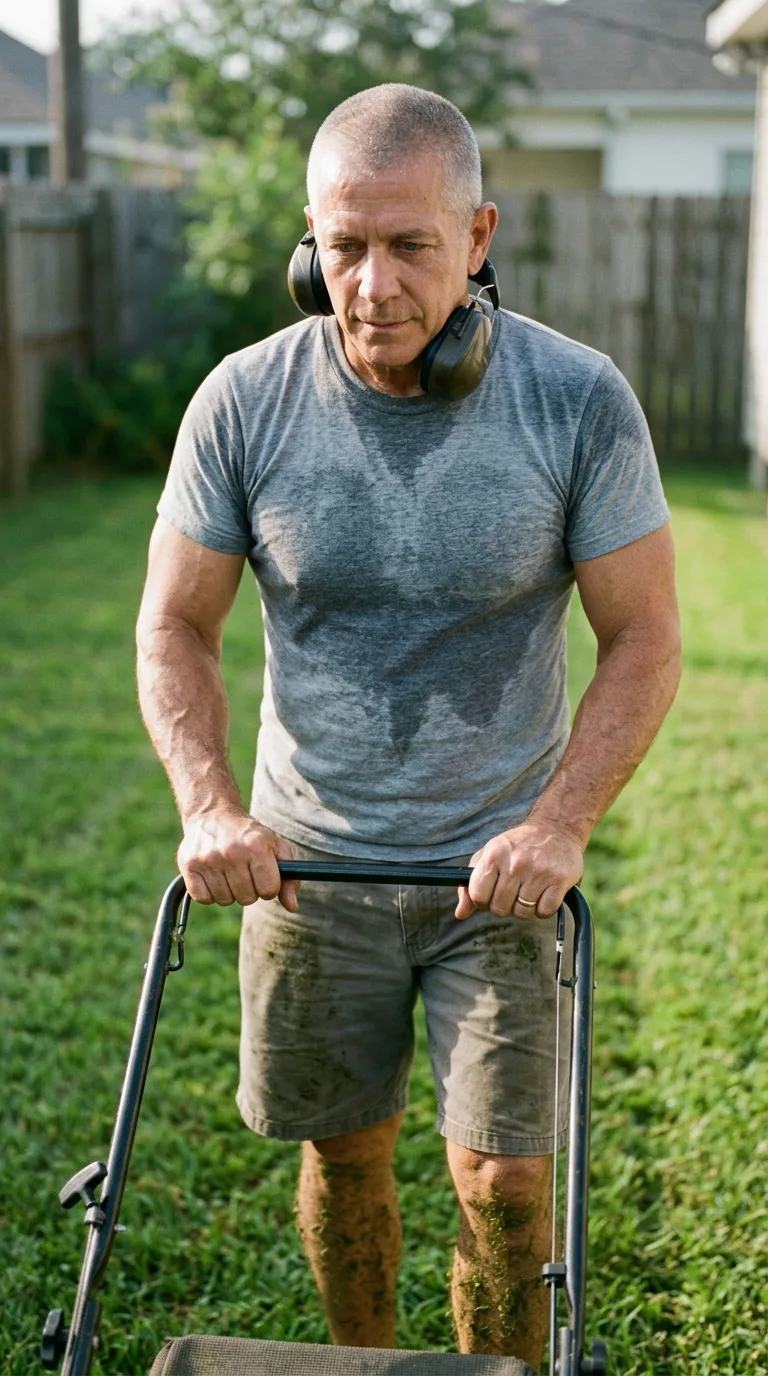
Rarest thing about him: Gay — epic, 1 in 50
Season 0seed 1235515659 · engine v10
Character card
lineage 2NZHHJ
His body-swap story
@colin.hasbrook, wearing Wayne Standingwater, rolled the wheel on and woke up as Rafael Cendejas, spent under a minute in him, then spun the wheel and woke up as Sione Havili
The espresso machine hisses behind Wayne Standingwater's ribs, and you hate it — hate the smell that's been in this man's clothes for less than a minute, hate that his knees already ache standing still, hate that his hands know how to tamp a portafilter and nothing else you care about. Sixty years old and average all the way through, gray hair, brown eyes, an apron with somebody else's coffee stains on it. You spun this life out of boredom two days ago and the boredom followed you into it, patient, waiting behind the register while customers say his name — Wayne, hey Wayne — like it means something. It doesn't. It's a costume with a name tag. You wipe the counter once, feel that itch under the sternum that's never boredom exactly, more like hunger with nowhere to sit down, and you go into the back, take out your phone, and open the page with the wheel on it.
You pay. You spin.
The engine note drops, catches, and you are bent over a mower on a lawn you have never seen, both hands closing on a bar still warm from someone else's grip, grass-wet sneakers under you, sun hard on the back of a neck that is not sore in the way Wayne's was sore. The loose earmuff swings against your jaw and your hand — his hand — comes up and settles it back over your ear before you've decided to. The next pass runs dead straight. You didn't aim it. The body did.
You stand there a second inside a stranger's height — shorter than Wayne, thicker through the shoulders, the muscle old but real, the kind that came from decades of using itself — and the mower keeps rolling because his legs keep walking, and it's the shirt that gets you first: damp gray cotton stuck to a back that's sweated through it a thousand mornings like this one, and it opens like a door left ajar. Rafael. The name arrives with the smell of fabric softener and cut grass, and underneath it, all at once, a kitchen — his kitchen, one room wide, morning light coming low and orange off the wet street outside, laying this same shirt over a chair the night before because tomorrow's a mowing day, no sense ruining a good one. Miguel's voice from the next room, half-asleep, telling him not to overdo it on the far corner where the roots come up. Thirty-one years of that voice. A wedding — city hall first, in a year when it had to be city hall, and then the real one nine years later on this same street with both families out on the sidewalk and a nephew playing trumpet badly and beautifully. A son, grown now, gone to Houston, calling on Sundays. A denomination that didn't want him and a small stubborn church three blocks over that decided, eventually, it did. None of it spoken about outright. All of it simply lived, the way the shorts are lived-in, the mud on his shins from a dozen summers exactly like this one.
The bar under your palms is worn smooth in two places where his grip always falls, and that wear gives you his hands back — not yours, his: the strength still in them, thick-knuckled, a plain gold band on the left that never comes off, not for dish soap, not for yard work, not for anything. Sixty-five and the body still does what he asks of it, mostly, the knees a little stiffer on the porch steps than they used to be, the shoulders still good, still able to push a dead-weight mower in a straight line across a yard he's mowed a hundred times and loves mowing, actually loves it, the smell, the sun, the small completed thing at the end of it. Coffee waiting on the porch rail, going lukewarm — his, black, decaf after two, a doctor's suggestion he mostly follows. No drink ever in this house. No cigarette ever in this hand. Church on Sunday, certain, unbothered, a life built plain and square and paid for twice over, once in money he doesn't talk about and once in years he had to fight for the right to have witnessed.
None of it yours. All of it right there now, sitting in muscle and cotton and a ring that has never once come off.
You stop the mower. Look down at the hand on the bar — brown, thick, a little swollen at the knuckle, the band catching the light — and turn it over like it might answer something.
"Well," you say, out loud, to the fence, to nobody, "let's see how long you last."