Peter Wozniak
Fictional. Generated by AI — not a real person, and no likeness of one is intended.
43, field archaeologist in New York · rolled by @colin.hasbrook · card — no film
History
who has worn him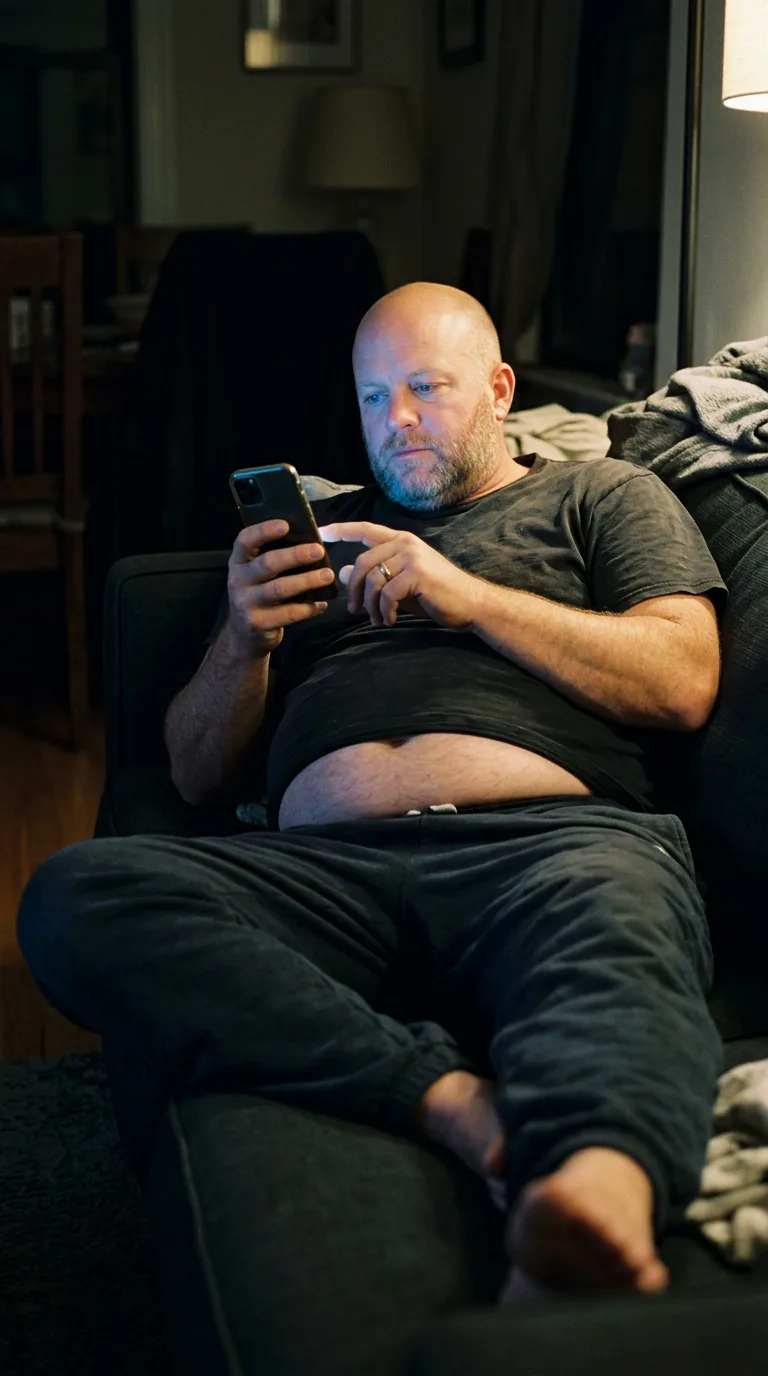
Rarest thing about him: Field archaeologist — uncommon, 1 in 169
Season 0seed 227514449 · engine v10
Character card
lineage 2NZHHJ
His body-swap story
@colin.hasbrook, wearing Rafael Osorio, rolled the wheel on and woke up as Peter Wozniak, spent under a minute in him, then spun the wheel and woke up as Warren Iseda
Rafael Osorio's kitchen smells like bleach and the coffee he never finished, and you are standing in it with his hands, twenty-one years old, blue eyes that aren't his own looking down at forearms you've had for sixty seconds. It should be enough. It was enough, an hour ago, spinning for the boredom of a nowhere Ohio painting job — you told yourself you wanted young, wanted simple, wanted a body that still had its whole life ahead of it to waste. But you know this kitchen. You know this man from the last time the wheel gave him to you, two spins back, when you wore him for real — his bus route, his mother's arroz, the scar on his shin from the transmission housing that fell wrong. That was a life. This is a minute in a stranger's skin who happens to answer to the same name. It doesn't feel like coming home. It feels like walking into somebody's house through the wrong door. So your thumb — his thumb, new and unpracticed — finds the phone on the counter, and you go back to the wheel, because the only cure for almost-recognizing someone is spinning until the ache of it stops.
The wheel doesn't care what you're feeling. It gives you a bald man on his side in the dark, phone six inches off his face, and the thumb that was moving slow starts moving fast, flicking with a certainty that was never his.
The shirt is the first thing — no, not a shirt, a T-shirt, worn thin at the collar, and under it a stomach that rests heavy against the waistband of sweatpants, and it comes back through the cotton before you've even asked for it: Peter Wozniak, sinking into this couch four hours ago after a shower that didn't touch the dirt under his nails, too tired to put on real clothes, Julia already asleep down the hall with their daughter's night-light bleeding yellow under her door. The couch cushion against your back gives you a hundred nights like this one, home from a dig, body wrung out in a way that has nothing to do with muscle and everything to do with forty-three years of kneeling.
The wedding band is cold and plain against your palm when you shift your grip on the phone, and it opens wider than the rest: Julia at a site tour eleven years ago, laughing at how bad he was at explaining stratigraphy to donors, the two of them married in a backyard in Rhinebeck with folding chairs, her hand finding this same ring on this same finger at least once a day since, out of habit, the way you touch a doorframe on the way through it. There's a kid somewhere in this house too, seven years old, drawing bones in permanent marker on the good end table, and the second-hand joy in it is so ordinary it embarrasses you.
The body underneath all that is soft in the middle and strong in the back and shoulders in a way that doesn't show — a dad bod with a stonemason's hands, calloused across the palm from trowel and brush, a permanent low ache in both knees that flares when weather changes, and it's not changing tonight but you feel the memory of the ache anyway, phantom and faithful. This morning — his morning, some other timezone's morning, sun already up over the trench — he'd pulled on the same tan work shirt from the picture, the one with the two chest pockets gone soft and pale from washing, sleeve by sleeve, right arm first out of habit from a childhood shirt that buttoned wrong if he didn't. Boots double-knotted because loose laces in a unit is how you sprain something at forty-three. He is careful with his body now in a way he wasn't at thirty, and it's not vanity, it's just knowing what he has to still be able to do tomorrow.
The trowel isn't in his hand right now — nothing is but the phone, the case worn shiny at the corners from the same daily friction as the ring — but the ghost of the tool is there anyway, the specific comfortable weight of it, fourteen years of the same grip, the particular pleasure of a clean line pulled through soil that gives easy. A job he loves in the way you love something that has also broken your back for it. No one ever told him it would still be this good at forty-three. No one told him it would still hurt this much either.
You feel him — feel Peter, what's left ambient in the shirt and the ring and the phone-warm hand — go quiet the way all of them go quiet, not fighting, just gone, the way water goes when you stop stirring it.
You look at the hand still holding the phone, thumb slowed now, and you turn it over in the lamp light, seeing the ring, the trowel-calloused pads of the fingers, the ordinary hair on the back of a stranger's wrist that is yours now the way none of them ever fully are. You look up, past the phone, toward the dark hallway where a wife and a kid are sleeping through the last few minutes you're certain of anything.
"Okay," you say, to the empty room, to nobody, to the next hundred and seventy-one. "Okay. Let's see what you're like."