Nathan Prybilski
Fictional. Generated by AI — not a real person, and no likeness of one is intended.
30, groundskeeper in San Francisco · rolled by @colin.hasbrook · card — no film
History
who has worn him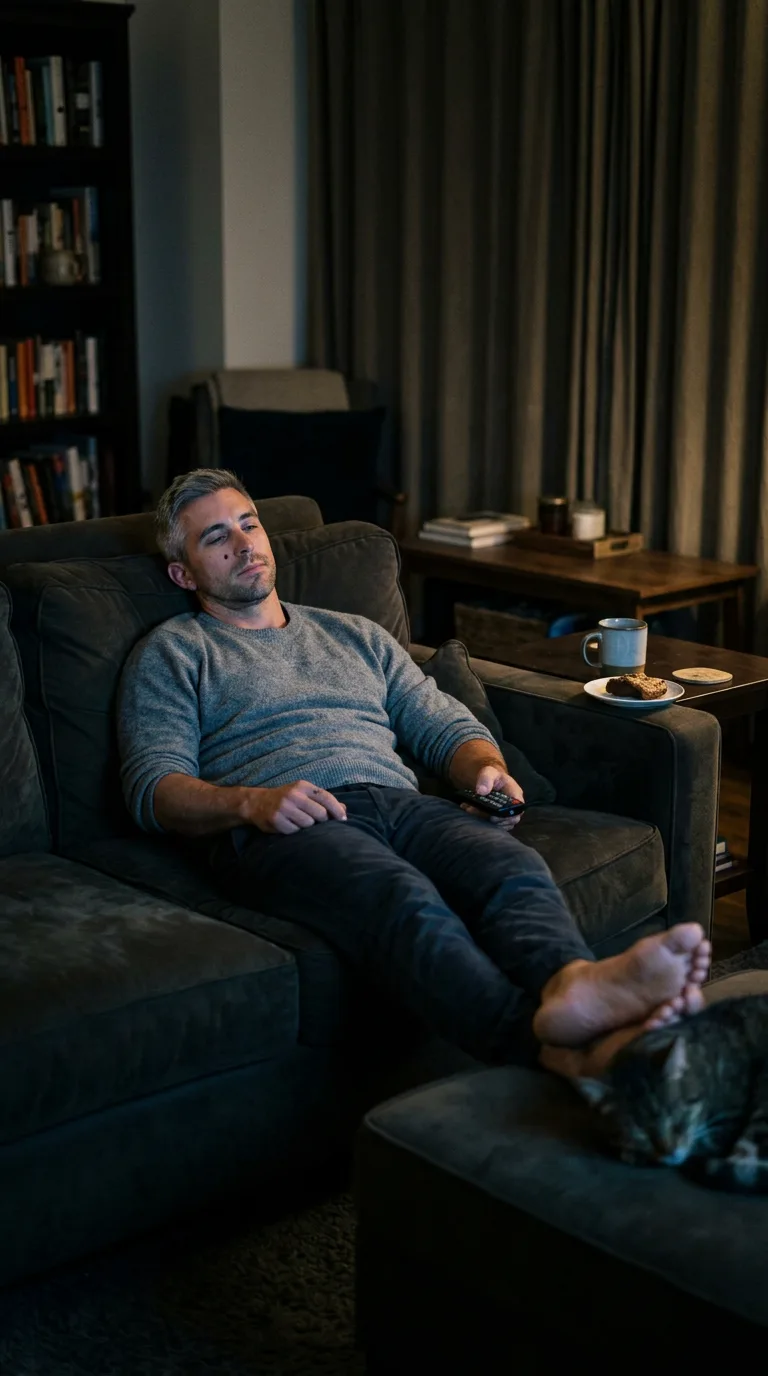
Rarest thing about him: Cancer, in remission — legendary, 1 in 684
Season 0seed 621728844 · engine v10
Character card
lineage 2NZHHJ
His body-swap story
@colin.hasbrook, wearing Elijah Davis, rolled the wheel on and woke up as Nathan Prybilski, spent 1 minute in him, then spun the wheel and woke up as Duane Yamashiro
You are standing barracks-post at zero-nine-hundred, boots planted in Nevada dust that doesn't move even when the wind tries, and Elijah Davis's lungs are doing the breathing while you do the deciding. Twenty years old, skinny in a way the uniform doesn't hide, black hair buzzed under a cap that's too big at the temples. Less than a minute in him and already you know the itch — not hunger, not even boredom exactly, just the old count starting up again in the back of the skull: one hundred forty-three, and the number sits wrong, unfinished, the way a held note sits wrong until it resolves. You didn't come back for Elijah. You came back because a body that works is not the same as a body you haven't spent yet. You find the site the way you always find it, like reaching for a light switch in your own house, and the wheel is already spinning before you've decided anything, which is its own kind of honesty.
The frame goes bright — some other room's television doing its half-second cut — and you are sitting up straight on a couch you didn't lower yourself onto, spine finding its own posture before you've caught up to owning it, a remote settling onto the couch arm from fingers that already knew the exact three inches of travel. Gray-silver hair. Brown eyes adjusting to a room gone dim except for the screen. A weight in the chest that is not weight, exactly, but a thing sitting there past-tense, healed-over, a scar with no mark on the skin. The show goes on. You do not laugh where he laughed a breath ago. Somewhere below the couch a cat you have not yet met resettles against a foot that is now yours.
The shirt is what opens first — not this shirt, the couch is soft flannel against your back tonight, but your hands remember a chambray one, sun-bleached at the shoulders, and with it comes a whole morning: him standing in the under-house garage with the bay window's gray light coming down sideways, rolling the left sleeve up past the elbow because the right one never sits right no matter how many times he's done this, three hundred mornings, four hundred, the fabric gone soft as a dish towel from wear. Grass stains at the knee of the jeans that live by the door — new green over old green, a whole season of them, the mower's diesel cough coming back with the smell alone. He loves the empty stands before the gates open, the fresh stripes he cuts into the outfield with the reel mower's long straight passes, the particular ache in his forearms by four o'clock that isn't pain so much as proof of a day spent well. He is thirty and his body remembers being sicker — a year, not so long ago, when the ache was a different kind, when treatments left him thin and his mother's people, three states back, lit candles for him in a way that had nothing to do with hospitals and helped anyway. Remission sits in him now like weather that's passed but left the ground still damp.
The ring is on his right hand, and your fingers — his fingers — go to it without asking, turning it once, the way they do when the television light is the only light and the mind wanders. It was his grandfather's. It is also, underneath that, about her — the woman who is not in this apartment and was, once, for two years, and who left not from any one wound but from the slow accumulation of him staying still while she wanted to move; he thinks of her more than he'd say out loud, turning the ring like it's a question he stopped trying to answer. The couch under you is his own choice, bought after she left, too big for one person on purpose. A cup on the side table has gone lukewarm. The apartment is quiet in the specific way of a Monday with nowhere to be, and somewhere past the window San Francisco is doing its middle-of-the-day business over a garage he pays too much for and loves anyway, cut into a driveway steep enough that he eases the mower's trailer down it in first gear every single time, no exceptions, ever since the one time he didn't.
You lift your — his — hand off the ring and look at it in the blue wash of the screen: the calluses along the base of the fingers, a fleck of old paint under one nail that three showers haven't gotten out, the mole high on the cheek catching light when you turn your face toward the window's edge of curtain. It is a good hand. It has done things you did not do. You hold it up, turn it once like a man checking for rain, and you say, to no one, to the empty room, to the cat that isn't looking at you:
"Okay. Let's see what you've got."