Nathan Cordero
Fictional. Generated by AI — not a real person, and no likeness of one is intended.
28, cop in San Francisco · rolled by @colin.hasbrook · card — no film
History
who has worn him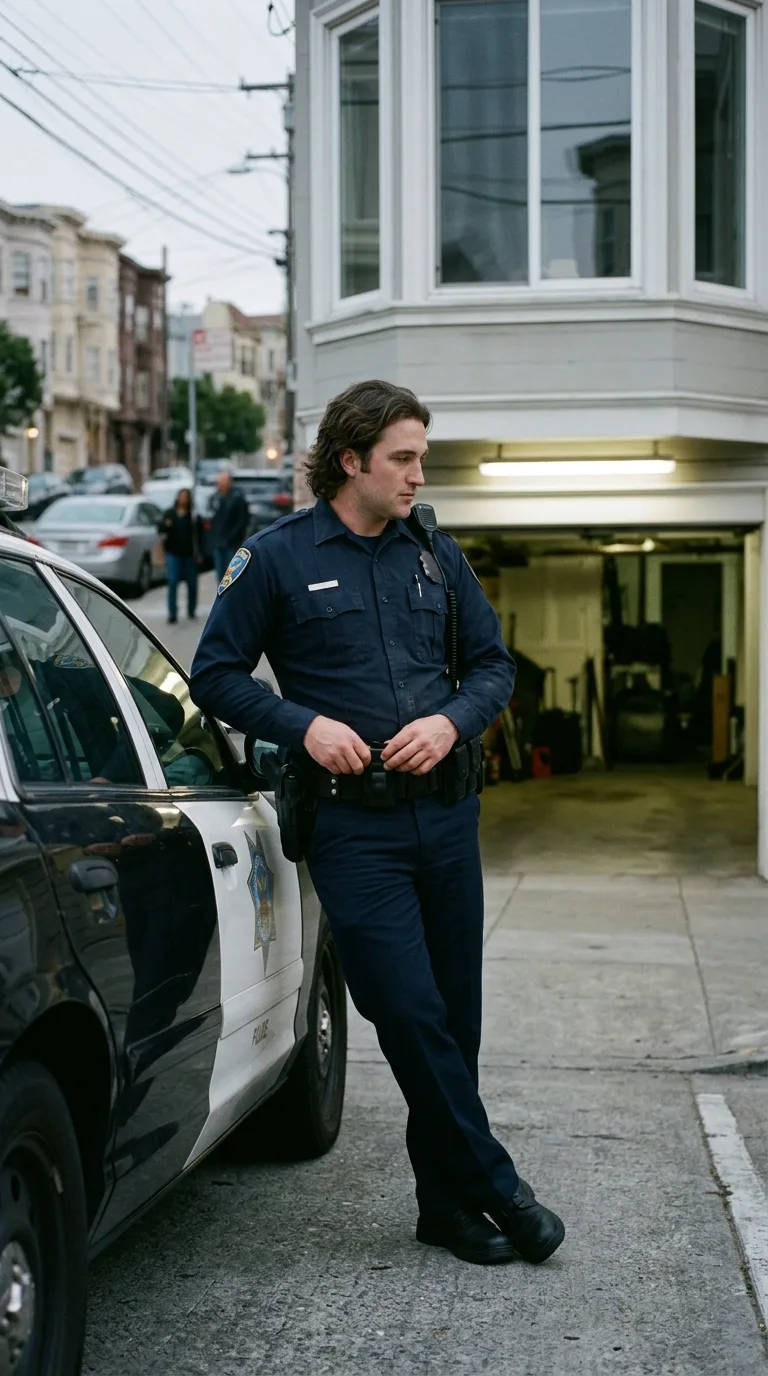
Rarest thing about him: Millionaire — $1M to $3M — rare, 1 in 91
Season 0seed 934701131 · engine v10
Character card
lineage 2NZHHJ
His body-swap story
@colin.hasbrook, wearing Marcus Denny, rolled the wheel on and woke up as Nathan Cordero, spent under a minute in him, then spun the wheel and woke up as Ravi Chandra
The mat still smells like feet and bleach, and that's the thing you notice first, the way you notice it every practice — Marcus Denny's gym, Marcus Denny's whistle around a neck that isn't cold anymore because it's been yours for eleven days. A kid two weight classes too small is trying to shoot a single-leg and failing, and you're calling out corrections in a voice that isn't the one you were born with, and you realize you already know how this sentence ends before he finishes the takedown. You've seen it. You've felt it, actually, this exact drill, four practices running. That's the thing about a body — it hands you its patterns for free, and after a while the patterns are the whole room. Marcus loved this. Somewhere in his hands, wherever they are now, he loved this. You are bored in a way that has nothing to do with him and everything to do with you, the itch under the sternum that means it's time, and you tell the assistant coach you need five minutes, and you go sit in your truck in the gravel lot and you take out your phone and the site loads like it always loads, patient, clean, a wheel on a white field.
You spin.
The whistle is gone from around a neck. Everything is gone from around a neck, and instead there is a shoulder mic cold against your collarbone and a belt heavy on your hips in a way that Marcus's gym shorts never were, and your hand — his hand — is on a car door, mid-push, the door swinging the last two inches into its frame with a sound that doesn't finish clean. You feel the mistake before you understand it: the door doesn't latch. You did it wrong. You do it again, slower, and it clicks, and something in the wrist that isn't your wrist logs the correction and files it, checked, the way it hasn't needed checking in years.
The dusk here is the color of a bruise healing, San Francisco dusk, wet-looking even where it isn't wet, and the cold comes up through boots that have walked this specific sixty feet of sidewalk more times than you'll ever know. Leather belt digging a line into a softer stomach than Marcus had — dad bod, the phrase arrives from nowhere and lands right — and your jaw is working, slow and steady, gum, and you didn't put that gum there but your mouth already knows the rhythm of it, left side, molars, a habit worn into muscle before you arrived to interrupt it.
The shirt is what opens him first. Navy twill, warm from a body's whole day in it, and buttoning it this morning comes back in his hands and not yours — five hours ago his time, though it's the same one afternoon wearing two different clocks, him waking at noon because the graveyard shift runs him nocturnal four days out of seven, him standing in the cut-rate light of the garage apartment under the bay window, sun barely getting down into that concrete throat of a driveway, buttoning up from the collar down out of some habit his training officer drilled into him and never explained. Sleeve, sleeve, collar, the little brass snap at the cuff that always sticks. He thought about texting Elena. He didn't. He hasn't in four months, but the impulse still shows up on shift-start days like a phone buzzing in a drawer, and you feel the small flinch of not doing it, the discipline of that, more than you feel anything about her specifically — she's a name-shaped absence, an old apartment, a fight about a promotion he took because it paid better and she said meant he cared more about strangers than her, and he never figured out if she was right.
The belt he clipped on standing at the mirror, sucking the gut in half a second out of habit though nobody was watching, an old vanity that lost its urgency around thirty pounds ago and never fully died. Weapon light on the hip in a way his hand checks without his mind asking it to — thumb brushing the retention snap, twice, a tic older than this shift.
The vape is in his breast pocket, and touching the outline of it through the fabric brings back the taste, mango-mint, three hits standing in this exact lot forty minutes ago while his partner ran a plate, the little steadying ritual he does instead of the cigarettes his dad smoked, instead of the beer his dad drank, because Nathan doesn't drink, hasn't since he white-knuckled through a bad year with a counselor and a prescription bottle he still refills on the first of every month, quietly, telling no one at the station because cops who admit that get quiet reassignments and knowing looks. The pills are in the truck. The panic in his chest three years ago was so total he thought he was dying on a traffic stop, and it embarrasses him still, that memory, arriving now with its own private shame.
The patrol car's flank is warm-ish against your shoulder where you lean, engine heat bleeding up through the paint, and leaning here is a thing his body does forty times a shift without deciding to, a rest position, weight going into the door the way it's gone into a hundred doors on a hundred dusks, watching a street that never quite stops moving — a woman walking a dog too fast, a man he doesn't recognize glancing over from the sidewalk like he's trying to place him. The garage behind you smells like sawdust and old oil, a landlord's tools nobody's touched in a year, and some nights coming off shift Nathan stands right there before going up, not ready yet to be alone in the apartment, chewing his gum down to nothing, thinking about nothing in particular, which turns out, now, to be the truest thing anyone told you about him.
You look down at the hand on the door handle. It's a stranger's hand, blunt-fingered, a callus at the base of the trigger finger, nothing else — no ring, no ink, nothing to mark it as having belonged to anyone in particular, which is somehow the most honest thing about him. You turn it over once, like checking it's real.
Then you look up into the low gray light and say, to no one, in his voice, "Wrong door. My bad."