Marcus Tillery
Fictional. Generated by AI — not a real person, and no likeness of one is intended.
30, furniture mover in Small-town Ohio · rolled by @marco.villagrana · card — no film
History
who has worn him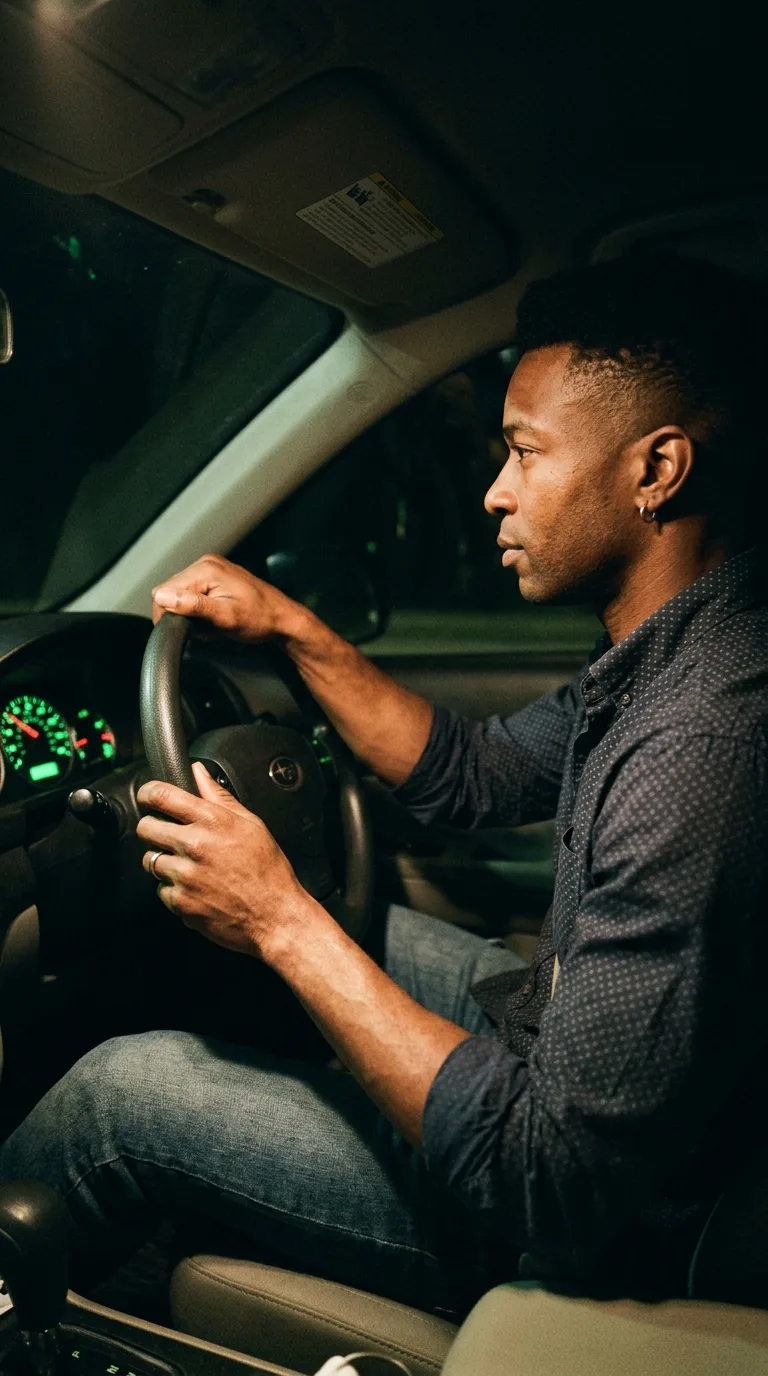
Rarest thing about him: Nicotine pouches — rare, 1 in 33
Season 0seed 617337239 · engine v10
Character card
lineage LJL8SV
His body-swap story
@marco.villagrana, wearing Isaías Marrufo, rolled the wheel on and woke up as Marcus Tillery, spent 5 minutes in him, then spun the wheel and woke up as Frank Delahanty
You are standing at a nurses' station in Anchorage holding a coffee that isn't yours to want, and the light through the window says late morning, and something in Isaías Marrufo's chest says *not enough*. Eighteen hours and twenty-five minutes wearing this one — skinny, eighteen, dimples nobody on this floor stops noticing — and the shift ahead is eleven more hours of call lights and old men's diapers and a preceptor who corrects your charting in red pen. It isn't that the body is bad. It's that it's small and it's tired and it's already spoken for, a name people expect things from. You set the coffee down on the counter still full. You go to the supply closet where your phone is charging behind the paper towels, and you open the site the way you've opened it ninety-three times before, and the wheel is already spinning in your head before it spins on the screen.
The car drifts a foot toward the centerline and comes back, clean, like nothing happened, and both your hands come off the wheel and land lower and wider, and your thumb finds the turn signal and flicks it up for an exit that has never once in this life been yours to take. The dash lights are green on your knuckles. The road outside is black and empty and three miles from a house you have never seen the inside of, and your body — this body, broader now, older, a working man's weight in the shoulders — takes the exit ramp on its own certainty, because it knows this road even if you don't.
The wheel under your palms is worn smooth where his palms have worn it, a thousand nights, and it gives you the first flash: him at sixteen learning to drive stick in a Buick that belonged to an uncle, stalling it at every light on Main, the uncle laughing, not unkindly. Then the truck — the *other* truck, the work one, the one with the ramp and the furniture pads folded in back — and the couch stood on its end at a curb this morning, ordinary weight against his shoulder, his knees taking it the way they always do, easy, trained, a job he's good at and doesn't think about being good at. The shirt against your back — this dark, small-dotted button-down, sleeves rolled — comes with the memory of putting it on this afternoon in a bedroom with the blinds half down, his wife already gone to her sister's for the day, him dressing slow because there was somewhere to be and no hurry to get there. A hoop of cold metal in the left ear, put in fifteen years ago on a dare, kept in ever since out of nothing but habit. The ring on the left hand — plain, a little tight now — brings the wedding whole and fast: a backyard, folding chairs, his mother crying before anybody else did, a woman in cream lace whose name arrives a half-second later, warm and certain, *Denise*. And under that, quieter, guiltier, a different name, a different mouth, a few months of something that ended badly and hasn't finished ending, a phone he's careful about now.
Your foot on the gas pedal knows exactly how much give it has. Your knees ache faintly, the good ache of a body that lifts other people's couches for a living. There is a girl — a daughter, small, two years old maybe, her laugh arriving with no picture attached, just the sound and the feeling of a chest going soft. There's a can of nicotine pouches in the console, worn white ring on the plastic lid, and your tongue already knows the tuck of one against the gum, a taste like wintergreen and habit. There's a taste of last night's second beer still somewhere behind that. Your nails are bitten down close, a thing his hands do at red lights and church pews and the ends of long days, and you didn't do it, and you did.
The exit ramp curves and the headlights sweep an empty guardrail, and somewhere behind you is a highway that led home and doesn't anymore, at least not yet, at least not on the route this body's hands have chosen without you.
You look down at your hands on the wheel — wider knuckles than the ones you had this morning, a hoop's cold weight tugging faintly at your ear when you turn your head, a ring you didn't earn catching the dash light. You turn one hand over like it might tell you something it hasn't already.
"Where am I going," you say, out loud, to no one, in a voice that isn't asking about the road.