Marcus Ridgeway
Fictional. Generated by AI — not a real person, and no likeness of one is intended.
44, teacher in High-desert Nevada · rolled by @colin.hasbrook · card — no film
History
who has worn him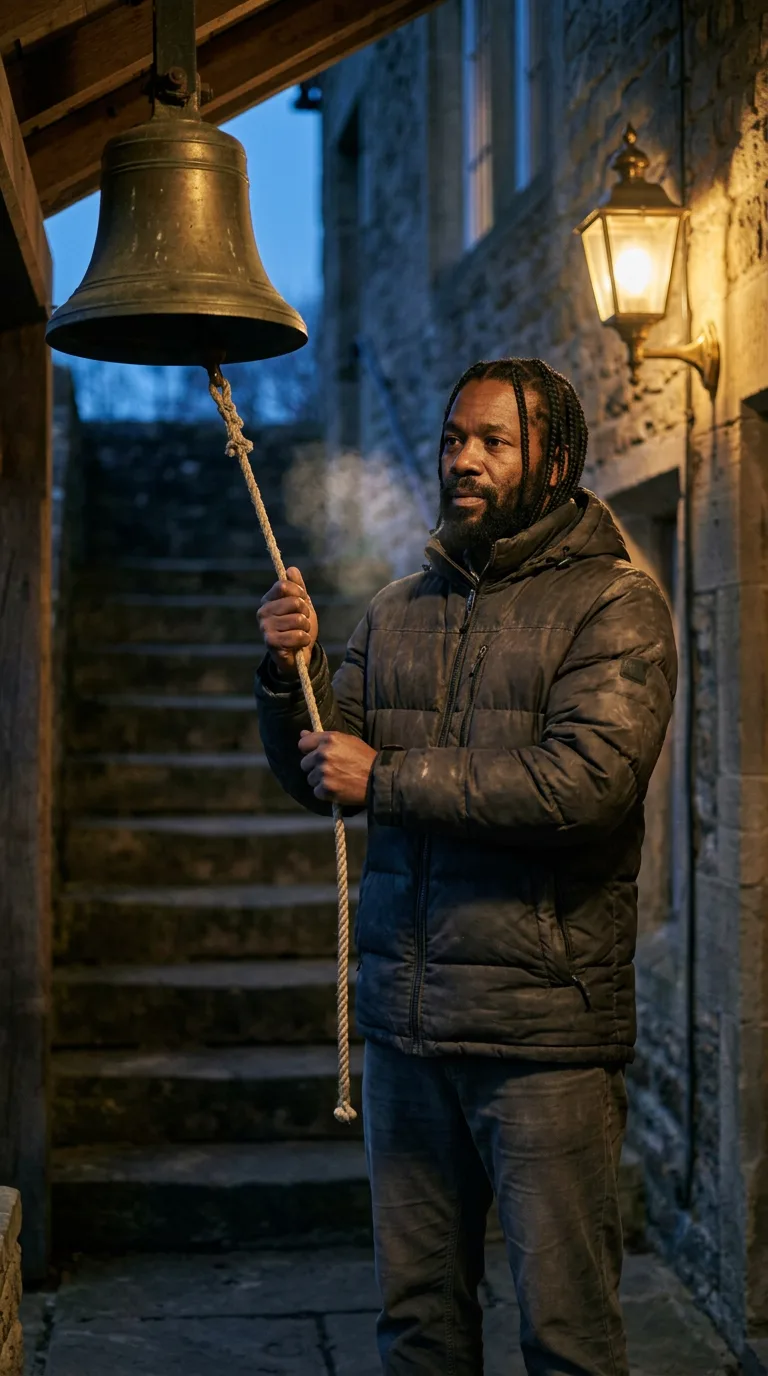
Rarest thing about him: Box braids — uncommon, 1 in 312
Season 1seed 1069685204 · engine v11
Character card
lineage 2NZHHJ
His body-swap story
@colin.hasbrook, wearing Derek Shimoyama, rolled the wheel on and woke up as Marcus Ridgeway, spent under a minute in him, then spun the wheel and woke up as Vikram Suresh
You've been Derek Shimoyama for exactly one minute, and already you know why you're going back.
It's the hands. Big, cracked-knuckle things, a trucker's hands, and they're shaking on the wheel of a rig that isn't moving, parked at a truck stop off I-87 with the engine ticking as it cools. You spun for size, for muscle, for something that could take a punch and give one back, and instead you got a man mid-panic attack, sweat cold under a flannel that smells like diesel and someone else's cigarettes, a phone on the dash lit up with four missed calls from a number saved as DON'T. Derek's chest is doing something you don't control yet, hitching, and there's a feeling underneath it that isn't yours — dread, specific and aimed, about a load that's late and a man in New Jersey who doesn't forgive late. You did not ask for this. You have sixty seconds of a stranger's fear and no memory to explain it, only the shape of it arriving through the wheel under your palms, the vinyl seat, the smell. You don't want to find out what happens at minute two.
So you don't. You open the site on the phone that isn't yours, on hands that won't stop trembling, and you spin again before the dread finishes arriving.
The wheel doesn't care what you're running from.
You are cold, and your arm is up, and there is a bell.
Rope in your right fist, coarse, damp with your own breath's moisture where you've been gripping it, and the sound is still happening — bronze note hanging in blue evening air a half-second longer than a bell has any right to hang, like it's deciding whether to let you go. Your hands come together. Clap, clap. The sound of your own palms is startling, meaty, unfamiliar — bigger hands than the ones you had ninety seconds and one body ago. You bow. You mean to come back up level, the way the posture wants to, but something underneath you — not you, not yet — pulls you lower, holds you there bent at the waist over stone steps with your breath showing white in front of your face, and only then do you rise, slow, exact, like a man finishing a sentence he started before you got here.
You do not know his name. You do not know where you are. You know it is cold, and you know your knees are forty-four years old, a low ache in both of them from standing too long in classrooms with bad flooring — that arrives before anything else does, pure body, no story attached.
Then the coat.
Zipper cold against your chin, and the coat gives you a Tuesday — no, a hundred Tuesdays, the coat going on over a school lanyard in a trailer that ticks and settles in the wind, Sherry's coffee going cold on the counter because she leaves for her shift before you leave for yours, the two of you passing each other in the narrow hall like dancers who've learned the steps. Marcus. You're Marcus Ridgeway, and the coat knows it before you do, knows the particular tug of the zipper catching on chest hair, knows the cigarette you didn't have this morning because Sherry asked you not to in the truck anymore and you're trying, you're trying for her.
The rope is next, still faintly present against your palm, and it gives you your father's church, a bell smaller than this one, a congregation of forty in Pahrump and your mother's hand on your shoulder pushing you toward the front to ring it because you were the only child there small enough to be cute doing it. You have rung bells your whole life without knowing why it mattered until this exact steaming evening on stone steps somewhere you don't recognize, wishing — what did you wish — Sherry's name comes with it, half-formed, and under that, quieter, not spoken even in his own head anymore, a name from before Sherry. Renata. The one who left for Sacramento eleven years ago and didn't ask him to come, and some part of every bell he's rung since has had her name folded into it without permission.
The corduroy of the pants against your thighs remembers a closet in a single-wide, the particular slant of afternoon light through a window with a crack taped over in clear packing tape, sagebrush shadow long and blue across the step outside. You dressed in this exact outfit this morning — no, evening, wrong, time is folding wrong here, but the shirt remembers going on sleeve first, right arm through, the way you've dressed since you were a boy because your mother taught you that way and you never questioned it. Blue stripes. A lanyard for a school where you've taught American history for sixteen years to kids who call you Mr. Ridgeway with real respect, not the performed kind, because you earned it standing at the front of empty classrooms grading papers after the last bell rings, alone, the janitor's cart squeaking two rooms down.
Your lungs want a cigarette. That's yours now too — his craving, arriving in your chest like an old friend, a pack a day for twenty years, and you can feel exactly where the pack sits in the coat's inner pocket without checking.
Your knees are forty-four. Your shoulders are wide but soft, no gym, just a body that walks a lot and carries grading and doesn't lift much else. Your beard is real weather against your own zipped collar. Somewhere in all this — the shirt, the rope, the cold stone under boots that are his and yours now both — is a wish you were making when you got here, something about Sherry, something about staying, and you can't tell anymore if it was his wish or if you're already borrowing it.
You look down at your hands.
They're not shaking. They're broad, calloused at the first knuckle from chalk and years of gripping a steering wheel on the long drive to work, and when you turn them over in the lamp light they look like they've never belonged to anyone else — like they're the first pair you've had.
"Okay," you say, out loud, to no one, your breath fogging under a light you didn't choose. "Okay."
Behind you the bell has finally gone quiet.