Marcus Deveraux
Fictional. Generated by AI — not a real person, and no likeness of one is intended.
41, lawyer in Western Kansas · rolled by @colin.hasbrook · card — no film
History
who has worn him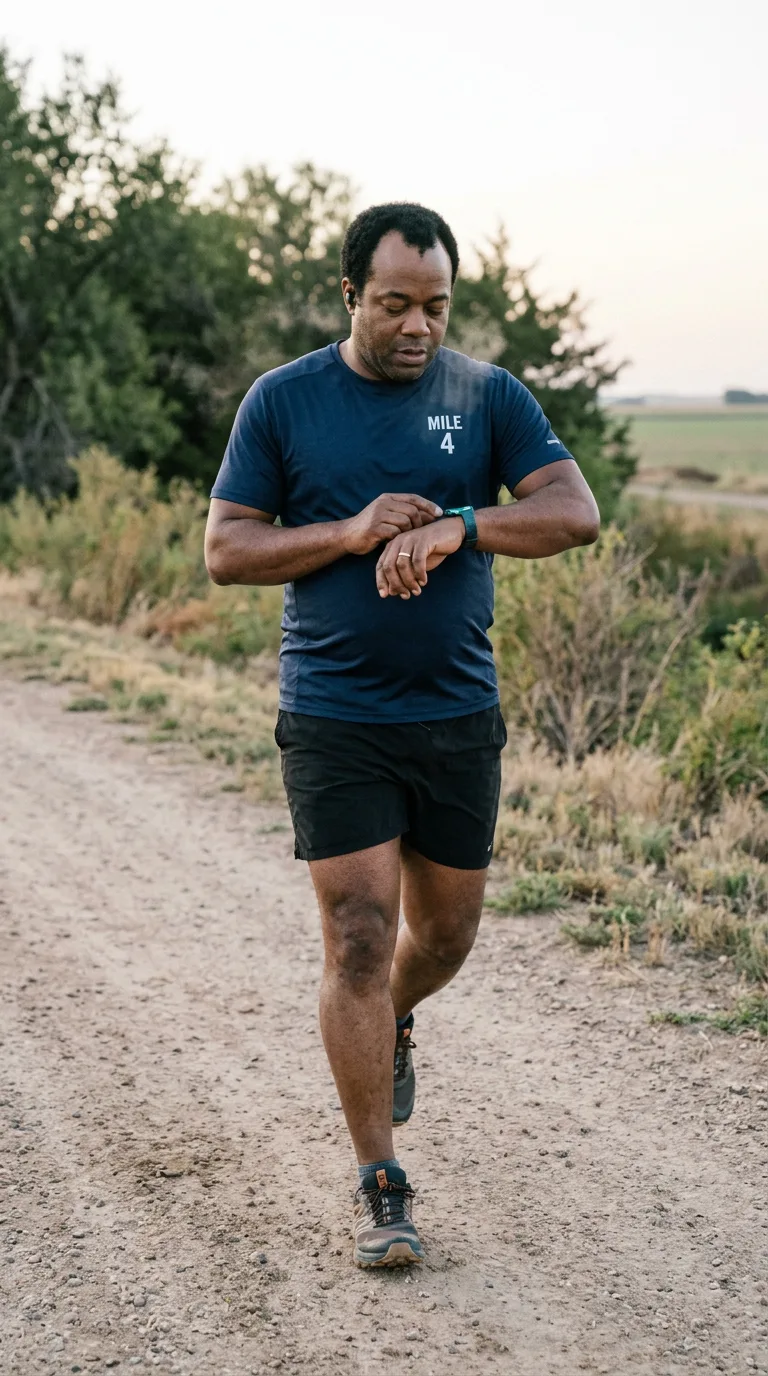
Rarest thing about him: Bisexual — epic, 1 in 29
Season 0seed 1656167718 · engine v10
Character card
lineage 2NZHHJ
His body-swap story
@colin.hasbrook, wearing Craig Boetticher, rolled the wheel on and woke up as Marcus Deveraux, spent under a minute in him, then spun the wheel and woke up as Russell Hoyt
Craig Boetticher's condo smells like dryer sheets and old beer, and you have been him for maybe forty seconds when you decide he's not it. You are standing in his kitchen in the dark, and his hand — short-fingered, blond hair on the knuckles, a class ring he never takes off — is resting on the counter next to a stack of unopened mail addressed to a man who apparently owes three different credit unions. Somewhere down the hall his fiancée is asleep, and there's a nothing-feeling in his chest that you recognize immediately as his and not something you brought with you: low-grade dread, mortgage math, a body that goes to the gym out of guilt rather than want. Thirty-four years in a life that fits him like a rented tux. You didn't even unpack him. Boston is asleep and quiet through the window, and you think, not this one, and you go to the site instead of to bed, the laptop light blue on Craig's unremarkable face, and you spin.
The wheel doesn't ask you why. It never does. This time the reason is simple and a little embarrassing: you're tired of small men in small kitchens with small debts, and you want, for once, somebody who isn't scared of his own bank statement.
The gravel changes first — Craig's condo floor becomes packed dirt under a shoe that is not his shoe, mid-swing, weight already committed forward. Your foot comes down wrong for half a beat, the stride catching like a record skipping, and then the other leg takes over smooth as anything and you are running. Cold air. Earbuds warm in two ears that are not the ears you had ten seconds ago. A watch on your left wrist buzzes against a wedding band, announcing a split time for a quarter mile you, personally, never ran. Ahead of you the canal path runs flat and pale between weeds gone tan with fall, and behind the weeds the sky over Western Kansas is doing something enormous and slow — a thunderhead stacked up black at the edges, going yellow underneath where the sun hasn't cleared it yet, though clearly it's early, too early, the kind of grey light that makes you unsure if it's dusk or dawn until you remember it can only be one of them here.
The shirt is the first thing that talks. Navy, damp already at the collar, MILE 4 printed across the chest in reflective letters going soft with washing — and holding it against your own damp skin (his skin, five-nine of doughy strong-shouldered weight, a gut that's fought him since thirty-five) brings back a hand, his hand, reaching into a dresser drawer at five-forty in the morning, quiet, so as not to wake her. Renata still curled on her side of the bed. The shirt was folded wrong, from the dryer, and he'd shaken it out once before pulling it over his head, thinking about a deposition scheduled for eleven that he had not finished prepping, thinking there is time, there is time, if I run first there is time. That's him. Marcus Deveraux, forty-one, and even naming himself back to himself in his own head has a taste to it, private and habitual, the way a man says his own name only when he's steadying himself.
The shorts next — black, technical, the drawstring he always ties twice because once came undone on him in front of opposing counsel at a 10K two years ago and he has never forgotten the sound of laughter he imagined more than heard. That memory drags a bigger one behind it: courthouse steps, a Tuesday, his own reflection caught in the glass doors before he pushed through them, briefcase in the same hand that now, on this path, swings loose and empty. He is good at his job. He is good in the specific way of a man who was told for years he'd need to be twice as sharp to be seen as adequate, and so became sharp enough that nobody in that courthouse forgets his name, though plenty mispronounce it the first time. There's a satisfaction in that memory that isn't smug, just earned, sanded down by years into something quiet.
The watch is the loudest thing on him, physically and otherwise. Its buzz keeps happening, mismatched splits piling up, mile four's pace not matching any four miles you've run in this body because you haven't run any of them — he has, hundreds of times, and the watch remembers all of it even while the man wearing it, this morning, is you. Touching its face brings his hand into yours: him sitting on the edge of the bed a year ago, doctor's questionnaire on his knee, checking a box he'd checked before, the word anxiety not frightening to him anymore, just administrative, a thing managed with a small orange bottle and a Tuesday-morning appointment he keeps like church, though he hasn't been inside a church with any real feeling since he was nine. Spiritual instead, in the way of a man who feels something on this path at dawn that he doesn't feel anywhere indoors — the wheat stubble cut flat to the horizon on either side, the sky doing its violent slow business overhead, something bigger than the docket moving through him and asking nothing back.
The ring is smallest and heaviest of all. Plain gold, warm already from thirty-eight minutes of running, and it opens a wedding — not the whole day, just Renata's hand shaking putting this same band on his finger, both of them laughing because the officiant's phone had gone off mid-vow. And under that, folded in tight, a face that isn't hers: an ex, years back, a woman whose name still makes something in his chest tilt a half-degree off level whenever a mutual friend says it at a dinner party, not longing exactly, just a door he never fully got the latch to close on. And under that, smaller still, a photograph he keeps in his wallet and not on his desk: his daughter at six, missing a tooth, gap-toothed grin aimed at whoever's behind the camera, which was him.
His mouth tastes like nothing — he quit drinking two years ago, quietly, without a program, just stopped wanting the version of himself that needed it, though he still keeps a pack of cigarettes in the glovebox of the truck for the two or three nights a year he has a bourbon at a bar function and needs something to do with his hands after. His hands, right now, empty at his sides as he runs, want something to do with themselves out of old habit — his teeth already know the feeling of his own nail between them better than his fingers do, a tell he's never broken, not once, not through law school, not through the bar exam, not through Renata pointedly buying him a bitter clear polish that didn't work either.
You look down at those hands as they swing at your sides, unbitten this second, temporarily innocent, and beyond them the ground going by in strides that belong to a body that knows exactly how to run itself and does not need you to tell it. The thunderhead is closer now, or the light's just changing under it, gone the particular yellow-grey of a storm that hasn't decided yet whether it's coming here.
You say it out loud, to no one, to the wheat, to the watch still counting a mile you didn't earn —
"Forty-one's not bad."
And you keep running, because he would, because there's a deposition at eleven and a life underneath you that fits like it was tailored, and because somewhere back in Boston a spun wheel is still warm and you already know, the way you always know, that it will ask you again before you're ready to be asked.