Marcus Delaney
Fictional. Generated by AI — not a real person, and no likeness of one is intended.
29, trucker in Pittsburgh · rolled by @marco.villagrana · card — no film
History
who has worn him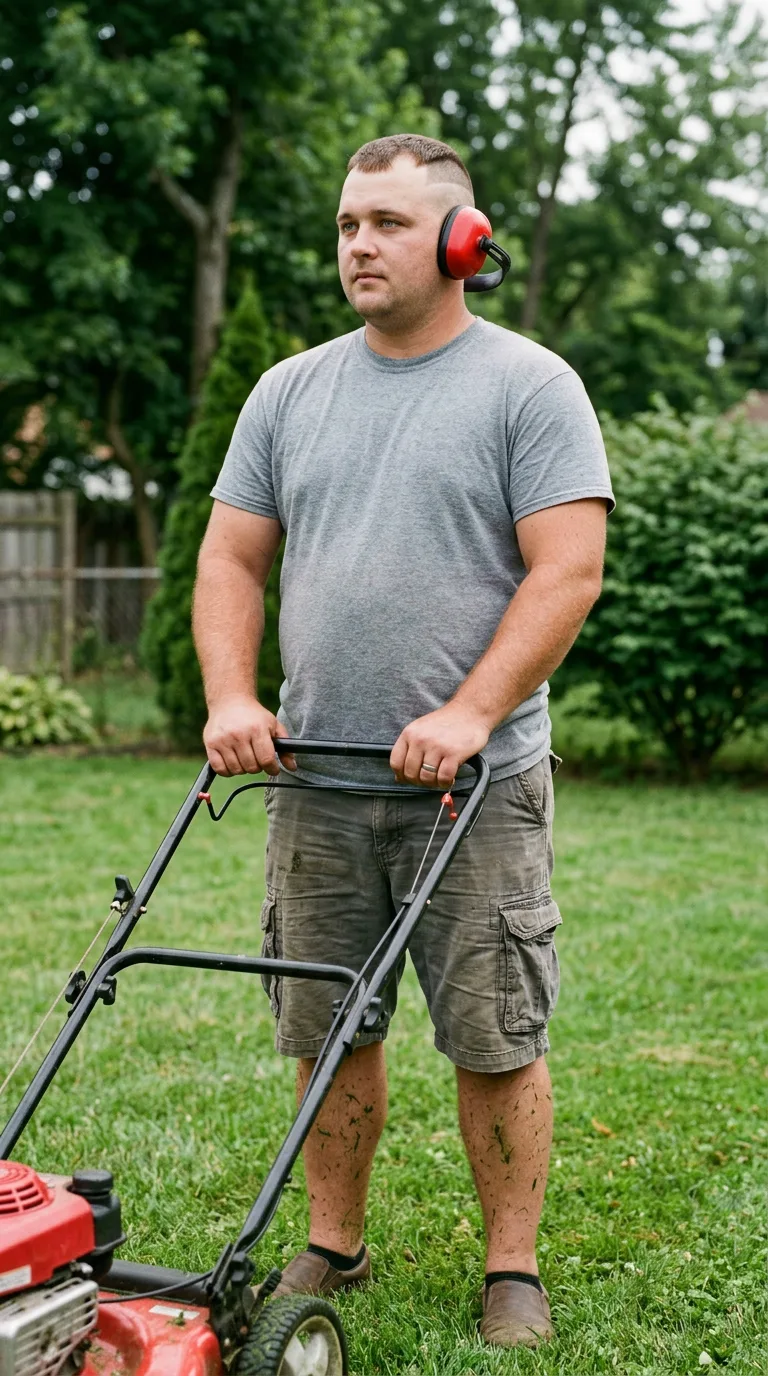
Rarest thing about him: Smokes and vapes — rare, 1 in 52
Season 0seed 1298240570 · engine v10
Character card
lineage LJL8SV
His body-swap story
@marco.villagrana, wearing Dennis Vrabec, rolled the wheel on and woke up as Marcus Delaney
Dennis Vrabec's hands ache before you even move them. That's the first thing you notice, sitting in his recliner in Western Kansas, sixty years old and stiff through the knuckles, a thin gray light coming through curtains that smell like someone else's cigarettes. You have been him for two minutes. Two minutes of a bad hip and a television playing something you didn't choose and a silence in the house that tells you his wife is out. You spun for a glazier because the card promised something with his hands, cutting glass, a trade — and it is nothing, it turns out, it is a recliner and a rerun and a body that creaks getting up out of a chair. Boredom moves through you like a held breath finally let go. You are already reaching for the laptop on the side table. Dennis never even gets up. You never gave him the chance.
The page loads the way it always does, patient, gray, the wheel sitting there like it's been waiting on you specifically. You pay. You spin.
—
The mower catches under your hands.
For a half-second there is nothing — no falling, no travel, just the world resetting itself around a different center — and then there is grass smell and gasoline smell and the pull of a shirt sleeve against a forearm thick with muscle you didn't have thirty seconds ago. The engine had dropped a note, some catch in the blade or the grass too wet, and your hands — his hands — are already correcting it without you, easing the bar, and the loose earmuff swings back up over an ear like it's done that ten thousand times before. You are standing in the middle of a lawn behind a push mower with clippings stuck wet to your shins and a body that is heavy and warm and works, God, it works, thirty years younger than the one you just left and none of the ache in it, not yet, not that kind of ache anyway.
The next pass runs dead straight. You didn't do that. He did, whoever he is, out of habit, out of muscle that doesn't know yet that nobody's asking it to.
—
The shirt is what opens him first — not the t-shirt he's mowing in now, but the flannel folded over a chair inside, its memory arriving sideways through the cotton against his back, sense-memory bleeding backward: this morning, pulling it on over the tee before he remembered it was going to be hot, the collar smelling like the dryer sheet Renée buys in bulk from the club store because he goes through so many shirts on the road. Renée. The name comes with a warmth that isn't yours, sits in your chest like borrowed weather. Nine years married. She'll be at her sister's until four. He almost didn't do the lawn today — home only thirty-six hours between runs, wanting to sit, but the grass had gotten away from him going on two weeks, and there's a particular shame he carries about the yard looking like nobody lives here when he's gone so much.
The mower bar under his palms brings the rest of it up loud: the CDL in his wallet inside on the dresser, three years now, the cab of his rig at first light in some Ohio truck stop, coffee gone lukewarm in the cupholder, the particular ache low in his back that comes from the seat and not from age. He likes the road more than he lets on to Renée. Likes the quiet of it, hours where nobody needs anything from him, gospel radio out of some AM station losing signal over the mountains and him singing along anyway because no one's there to hear it be bad.
The wedding band catches light on the bar of the mower and with it comes the wedding itself, a Baptist church on the East End, his mother crying not from sadness, Renée's dress a color she still won't tell anyone the name of. No kids — they tried for a while, then stopped talking about trying, and there's a private grief folded into that so old now it doesn't announce itself, just sits under things, the way it sits under this lawn, under this Saturday, under the reason he mows it himself instead of paying the neighbor's kid.
His knees remember standing at a checkup, a number on a screen too high, the doctor's mouth moving, insulin, diet, the vape he switched to because a cousin died of something in the lungs and he got scared enough to change one habit if not both. The cigarette pack is still in the truck. He knows it's there the way you know a tooth is loose.
The grass under his boots, wet, the smell of it, brings up a hundred other lawns — his father's, the one he mowed as a boy in this same neighborhood two streets over, earmuffs too big then too, always the wrong size, always slipping. Pittsburgh in high summer, backyards laddered together by chain-link and shared fence lines, the public stairs down at the end of the block slick with wet leaves every fall, a whole childhood of small ordinary weather. His fingers, still moving on the bar, want to drum against something — that's just him, thinking about nothing, the tell Renée always catches, tapping out a rhythm on a steering wheel or a countertop while his mind's a thousand miles up the interstate.
None of it is dramatic. That's the thing you feel most standing in him — the sheer, uncomplained decency of an ordinary Saturday, a debt-free truck payment, a wife at her sister's, a lawn that needed doing. Doing well without making noise about it. A man who has never once needed saving from anything, which is its own kind of rare, though you'd never use that word.
—
You stop the mower. Look down.
The hands are wide, a laborer's hands gone soft at the knuckle from the cab of a truck instead of a shop, grass-stained, the ring catching gray daylight. You turn the right one over like it might tell you something it hasn't already.
"Huh," you say, out loud, to no one, in his voice, and it comes out low and a little surprised at itself. "Didn't even feel that."
Behind you the yard sits half mowed, crooked rows giving way to one clean line, and somewhere past the fence a screen door doesn't open, because Renée isn't home yet, because there's nobody to tell.