Dennis Vrabec
Fictional. Generated by AI — not a real person, and no likeness of one is intended.
60, glazier in Western Kansas · rolled by @marco.villagrana · card — no film
History
who has worn him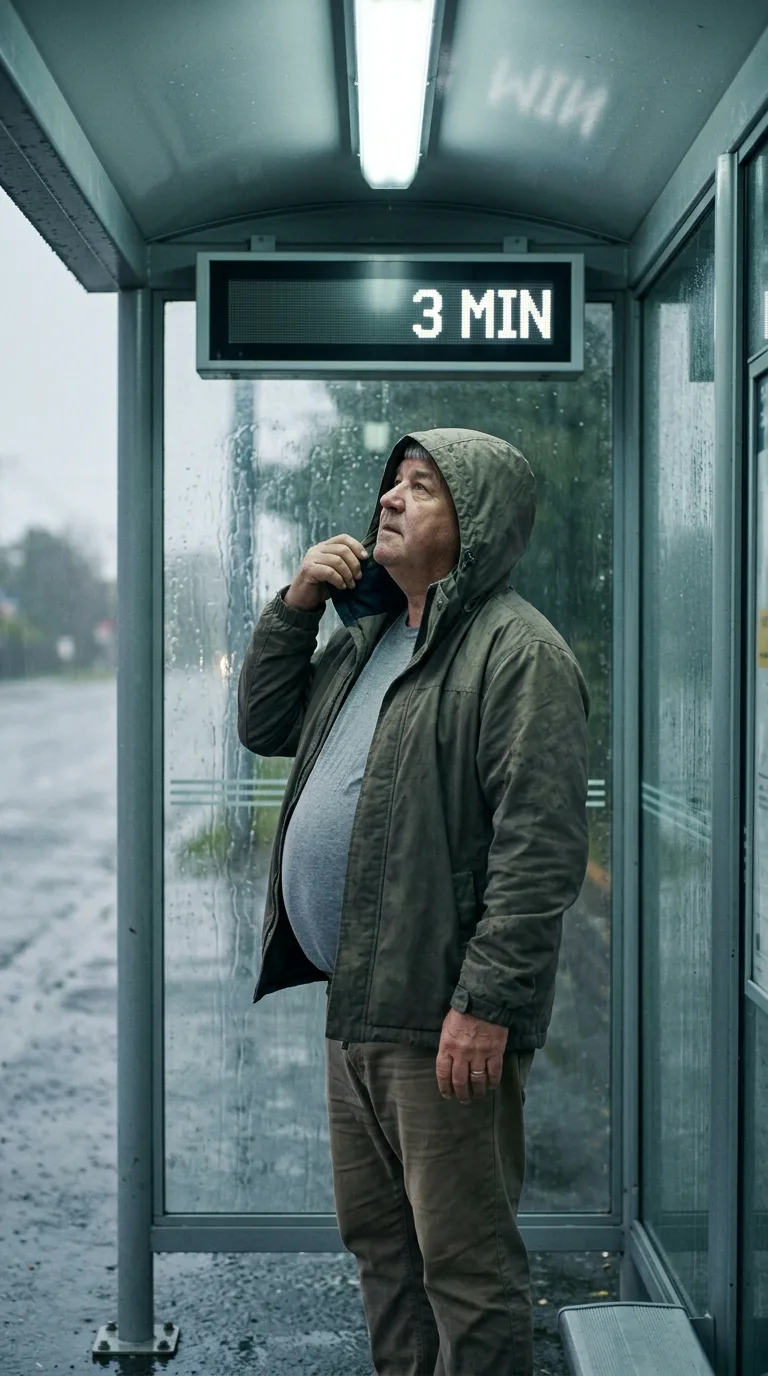
Rarest thing about him: Textured crop — rare, 1 in 90
Season 0seed 1641932248 · engine v10
Character card
lineage LJL8SV
His body-swap story
@marco.villagrana, wearing Alejandro Cepeda, rolled the wheel on and woke up as Dennis Vrabec, spent 3 minutes in him, then spun the wheel and woke up as Marcus Delaney
You are four minutes into a body that already bores you, standing in a garage bay in Philadelphia that smells like diesel and burnt coffee, and Alejandro Cepeda's shoulders are so thick with muscle and fat that the phone feels small in his hands. You made him check his own reflection in the truck's side mirror once already — force of habit, the first-minute thing you always do, seeing what you got — and something about the flatness in his own eyes looking back at you soured it fast. Bald, hazel, thirty-nine, thick through the middle in a way that reads as strength, and none of it interesting. Four minutes in, and you're already thinking about the wheel the way a man at a buffet thinks about the next plate before he's finished the first. It isn't hate. It's just Saturday, and you have the account loaded, and boredom moves through you like a second heartbeat that never learned to slow down. You open the site on his phone with his thumbprint, which somehow still works, and the wheel is already spinning before you've decided anything at all.
The rain gets you before the ache does. You are standing under it with your face turned up, hood shoved back, and the water is running down into a collar that isn't yours yet, over a mouth that isn't yours yet, and the first thing that arrives is not memory but weight — low, wide, settled — hips and belly and a spine that has opinions about standing in one place too long. Somewhere behind you a board still reads 3 MIN in cool arrogant light, and you were watching it a second ago through eyes that are now, impossibly, yours.
The jacket is the first door in. Waxed cotton, gone soft at the elbows, and touching its zipper pull brings back a hardware store in Dodge City, a woman named Priya laughing at how long he took deciding on the color — sage or olive, sage or olive — twenty-some years gone now and the laugh still in the fabric somehow, folded into the seams like rain that never quite dried out. She has been gone six years. You feel that the way you'd feel a bruise you didn't know you'd gotten: pressed on by accident, and there it is.
The undershirt against your back gives you mornings — hundreds of them, compressed into one — him easing into it slow because reaching overhead is a negotiation his shoulder has to approve, wincing at the same spot every single day and being, every single day, a little surprised by it anyway. Dennis Vrabec's back has been talking to him for fifteen years and he still hasn't learned to expect the sentence. There's a name on a lease that used to be Priya's name too, and after her it just kept being the one on the mail. There's a shop off Highway 83 with his handprints permanently on the glass cutter's handle, decades of them, invisible now, worn into the grip like a fingerprint pressed into a fingerprint. There's a Ganesh murti on the dash of his truck, dust on it he keeps meaning to wipe. There's the particular ordinary loneliness of a man who goes to temple on the festivals and eats dinner most nights standing at the counter because the table is for two and has been for one for six years running.
The belt buckle under your fingers gives you the getting-dressed part, since that's what belts remember: him threading it this morning through the loop while the radio said scattered storms and he thought, without much feeling either way, that he should've brought the truck instead of walking down for the bus, except walking is what the doctor told him to do for the hip, so he walked, hood up before he even left the porch, resigned the way a man gets resigned to weather and to bodies both. His hands, when you look for what they know without asking, want to be at his mouth — nails bitten close, a habit from some worry that started before Priya died and never found a reason to stop after — and the same hands, an hour ago in whatever version of this counts as "before," were setting a pane into a storefront frame with a suction lifter, feeling for the click of it seating right, an ease that lives lower than thought, in the wrists, in thirty years of glass.
The rain keeps coming. He wasn't turning out of it. You understand, holding this body, why: it's the first thing in a long time that's touched him and asked nothing back.
You look down. The hand is broad, spotted, the wedding band a little loose now with age going on around it rather than through it, the nails bitten to the quick. You turn it over once, like you're checking it's real, water running off the heel of it into the gutter, and you lift your eyes off it into the gray afternoon and say, out loud, to no one waiting under the shelter with you:
"There you are."