Klaus Dietermann
Fictional. Generated by AI — not a real person, and no likeness of one is intended.
47, cable installer in Berlin · rolled by @gavin.torkelson · card — no film
History
who has worn him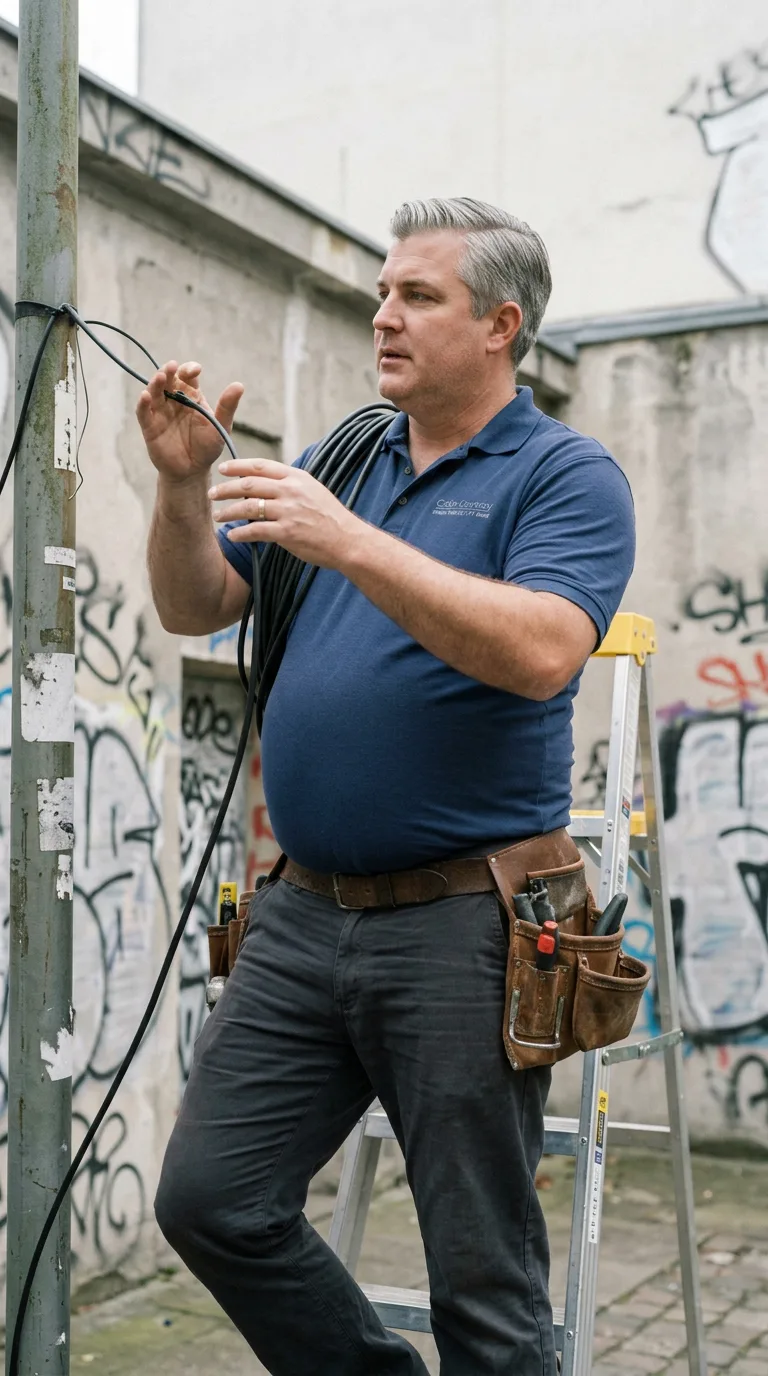
Rarest thing about him: Berlin — rare, 1 in 529
Season 1seed 169167094 · engine v11
Character card
lineage KEPHG1
His body-swap story
@gavin.torkelson, wearing Gavin Torkelson, rolled the wheel on and woke up as Klaus Dietermann
The kitchen smells like scorched garlic and it is not even yours to be ashamed of, but you are anyway, standing at Gavin Torkelson's flattop with his tongs in his hand and a ticket rail full of orders you cannot read fast enough. An hour ago this felt like a costume you'd wanted for years — the beard, the forearms, the way the line cooks flinched when he raised his voice. Now it is eleven in the morning and the brunch rush is a wall coming at you and Gavin's hands, which know forty years of muscle memory, keep almost-doing the thing before you can stop them, and you keep having to wrestle the wheel back from him inside his own skull. It is exhausting in a way none of the other nine ever were. You did not spin the wheel to work this hard. You wanted to *be* someone, not to audit him. So between the eggs and the ticket you thumb the site open under the counter, one greasy finger on the glass, already tired of him, already gone.
The wheel turns somewhere you can't see it and then you are not at a flattop anymore. You are standing at a utility pole in flat gray light with a coil of drop cable heavy on your shoulder and your other hand raised in front of your face, fingers spread, mid-gesture, as if you had been about to explain something to someone who isn't there. Your body is heavier through the middle than any you've had, planted wide and comfortable on old boots, and the air smells like wet concrete and spray paint. Somewhere behind you a tram bell rings twice. Your hand — his hand — trembles very slightly as it comes down off whatever motion it was making, wrong, and you feel him correct it, the fingers finding the connector's slot the second time by feel alone, and lock it home clean.
The belt is what opens first. Its weight rides low on your hips, worn leather gone soft and shiny where his hands cross it a hundred times a shift, and it comes with the ghost of a Tuesday two years back, kneeling in a stairwell in Neukölln, a customer's dog sniffing at his knee while he spliced a line and thought about nothing at all, which was the whole appeal of the job — twenty years of climbing other people's poles so his own head could go quiet. Then the cable in your palm gives you more: the particular give of it, the way it wants to kink if you don't feed it right, his father's voice from some other decade saying *respect the tool, not the customer,* which never made sense to him until it did.
The shirt is the deep one. Polo cotton, a size too small now around the gut, company logo stitched crooked at the collar because the embroiderer in Wedding always ran the machine hot. You feel his arms going into the sleeves this morning — no, his morning, hours from now by his clock and yet already remembered, because that's how this works, the future folding into what the shirt already knows — steam still on the bathroom mirror, radio doing the traffic report, and the little tan band of skin on his ring finger catching light as he buttons the collar one-handed. He stopped wearing the ring fourteen months ago. He still checks that finger sometimes without meaning to, the way a tongue checks a missing tooth. Sabine has the boy this weekend. He was going to call after work, ask about the school trip, keep his voice light so it wouldn't sound like missing her, though it always did a little.
You feel how his knees complain going up the ladder rungs and how his shoulders don't, how the gut sits forward and changes his balance so he leans back a hair more than a thinner man would need to, how his jaw is smooth this afternoon because he shaves every morning without thinking about it, an old habit from a supervisor twenty years dead who liked his crews looking sharp. He likes a beer on a Friday with the two guys from the depot, nothing more, never smoked, never wanted to. He believes, in the plain unfussy way of a man who goes to the same church his mother did, that things add up to something, that the ledger is kept somewhere even when nobody's watching. He is not thinking about God right now. He is thinking, distantly and without alarm, that his hands did something strange a second ago and then did it right, and he is already forgetting to wonder why.
You look down at that hand — thick-fingered, a nick of old scar along one knuckle, cable still looped in the palm — and turn it over slowly, watching the tendons shift under skin that isn't yours yet and already halfway is. You lift your eyes off it, past the tagged wall, into whatever is watching.
"Okay," you say, in his voice, testing the shape of German in his mouth for the first time. "Let's finish the drop."