Kaleo Freitas
Fictional. Generated by AI — not a real person, and no likeness of one is intended.
34, machine operator in Honolulu · rolled by @marco.villagrana · card — no film
History
who has worn him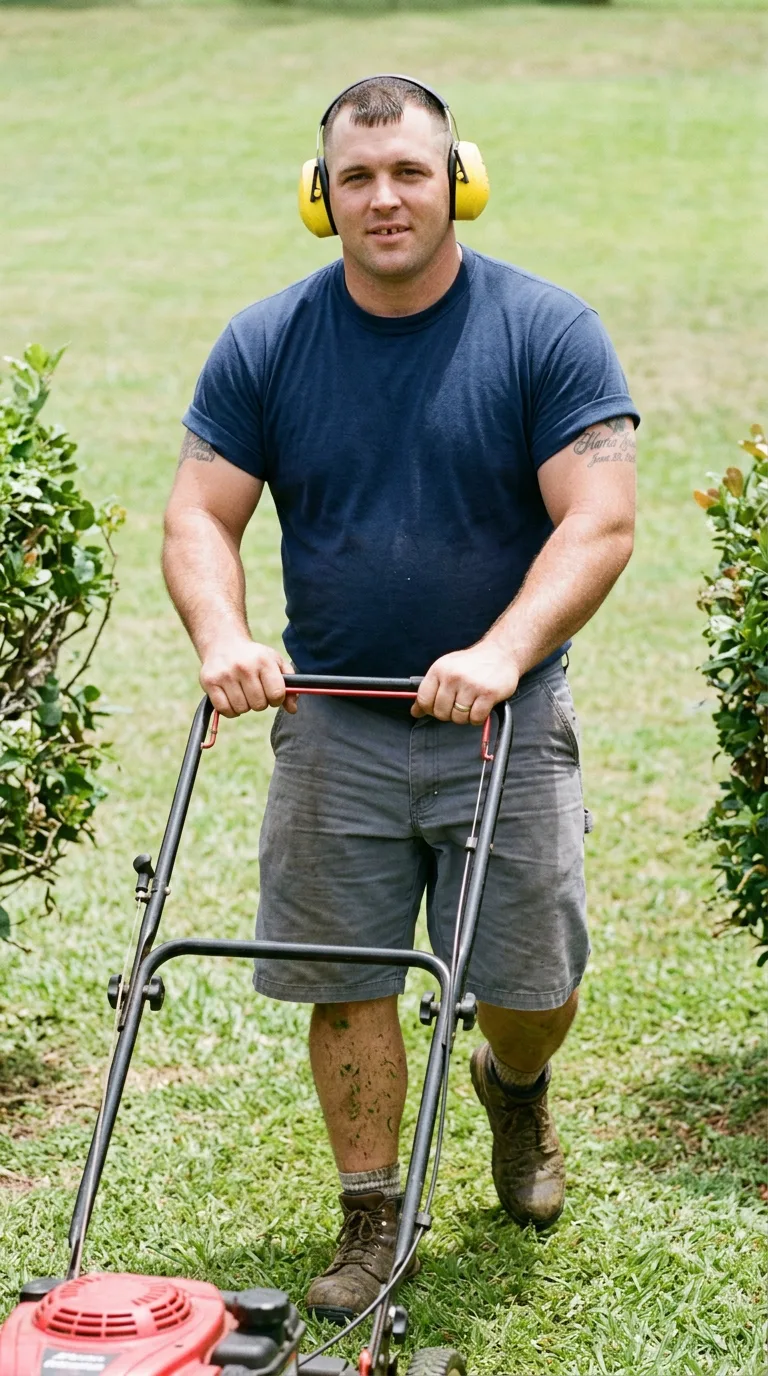
Rarest thing about him: Mowing the lawn — common, 1 in 57
Season 1seed 1181956726 · engine v11
Character card
lineage LJL8SV
His body-swap story
@marco.villagrana, wearing Patrick Novosad, rolled the wheel on and woke up as Kaleo Freitas, spent 3 minutes in him, then spun the wheel and woke up as Wyatt Solberg
Patrick Novosad's burn scar itches under the cuff of a good suit, and that is the whole problem with him. Three minutes in this body and already you know it by its complaints — the tightness across the forearm, the beard that needs trimming, the office chair's expensive, useless leather. Somewhere below the window the city is doing its end-of-day thing, taxis nosing into the through-traffic on Peachtree, and you are sitting in a corner office you did not earn wearing a face nobody voted for, and you already hate it the way you hated the last nine, ten, however many. It's not the scar. It's the smell of new-car leather in here that never goes away, the cologne on the collar that isn't yours and never will be no matter how long you keep the man. Novosad, thirty, chief executive, and you spun him up out of a machine gone twenty seconds ago and you are already reaching for your phone, already have the site open in a new tab like a man checking his portfolio between meetings. You don't examine why. You never do. The wheel is there and today, like most days, that is reason enough.
You spin.
The mower drops a note under you and catches, and your hands — his hands — stay where they are on the bar, and that's the first thing: how little resistance there is, how the body simply keeps walking, keeps pushing, like it was always going to be you steering it. The earmuff that had slipped off one ear settles back down, unhurried, your palm doing it before you've decided to. Heat first — a wet, pressing Honolulu heat, nothing like Atlanta's dry hum of air conditioning — and grass smell, cut grass, gas exhaust, and under your boots the give of red dirt where the lawn thins out near the fence line. Sun so white it has no color. The next pass runs dead straight beside all the crooked ones that came before it, and some large animal part of this body registers pride in that, immediate and unasked, before you've even caught your bearings enough to notice you noticed.
The shirt is what opens him first — plain blue cotton damp at the spine, clinging, and touching it through your own new skin drops you a whole morning: this exact shirt coming off a hanger in a bedroom with a ceiling fan turning too slow to do anything, a woman's voice from the kitchen saying something about the Kealohas' dog getting into the trash again, and his own hand — Kaleo's hand — pulling the shirt on inside out first, laughing at himself, flipping it right, the two front teeth showing in the mirror in a way he stopped being self-conscious about around age nine. Malia. Her name arrives with the smell of coffee that was already in the kitchen when he left it. Two kids' voices somewhere further off, one of them already halfway through a tantrum about shoes.
The mower bar under your palms brings the rest of it in a rush too fast to be a memory and too slow to be nothing: seven years on the extrusion line, the particular ache that lives now permanently in the lower back from standing over a machine that spools hot plastic all shift, the calluses that aren't decorative, the way this body is built — thick through the middle, thick through the arms, a strength that isn't for anybody to look at, just to use. Muscle and fat both, honest weight, size that came from being needed rather than admired. You feel thirty-four in the knees already, a low complaint that will be there tomorrow whether or not you are.
The tattoo on the arm gives you the sharpest thing yet — script and a date, and touching your own sleeve where it hides half of it brings back a hospital room, fluorescent and too cold, a nurse handing him something wrapped and furious-looking, his own voice cracking on a name he'd practiced saying for nine months. The wedding band does something similar, quieter: a beach, folding chairs, his mother crying for reasons that weren't sad. And under both of those, barely surfacing, something he never says to anyone — a woman before Malia, before any of this, whose name comes up now like a stone turned over in the yard, some ordinary Tuesday feeling of a door that closed on its own and that he was, in the end, glad closed. Grief with the teeth taken out of it. That's the marriage's whole shape: not perfect, just chosen, every single morning, including this one.
The leg wants to bounce. It's not bouncing now because it's busy walking, but you feel the tendency in it like a held breath, a body always a half-second from restless.
You reach the end of the row and stop, palms still on the bar, engine idling under your hands, and you look down at them — thick fingers, gap in the knuckle where a machine took a small piece of him once and it healed wrong, ring catching the glare — and you turn them over slowly, the way you always do, the way you have done a hundred and sixty-four times before in a hundred and sixty-four other hands, checking that this one is real, checking that it is yours now.
You look up into the white light over the yard, toward nothing in particular, and you say, out loud, to no one:
"Not bad."