Harold Sakamoto
Fictional. Generated by AI — not a real person, and no likeness of one is intended.
65, retired in Anchorage · rolled by @colin.hasbrook · card — no film
History
who has worn him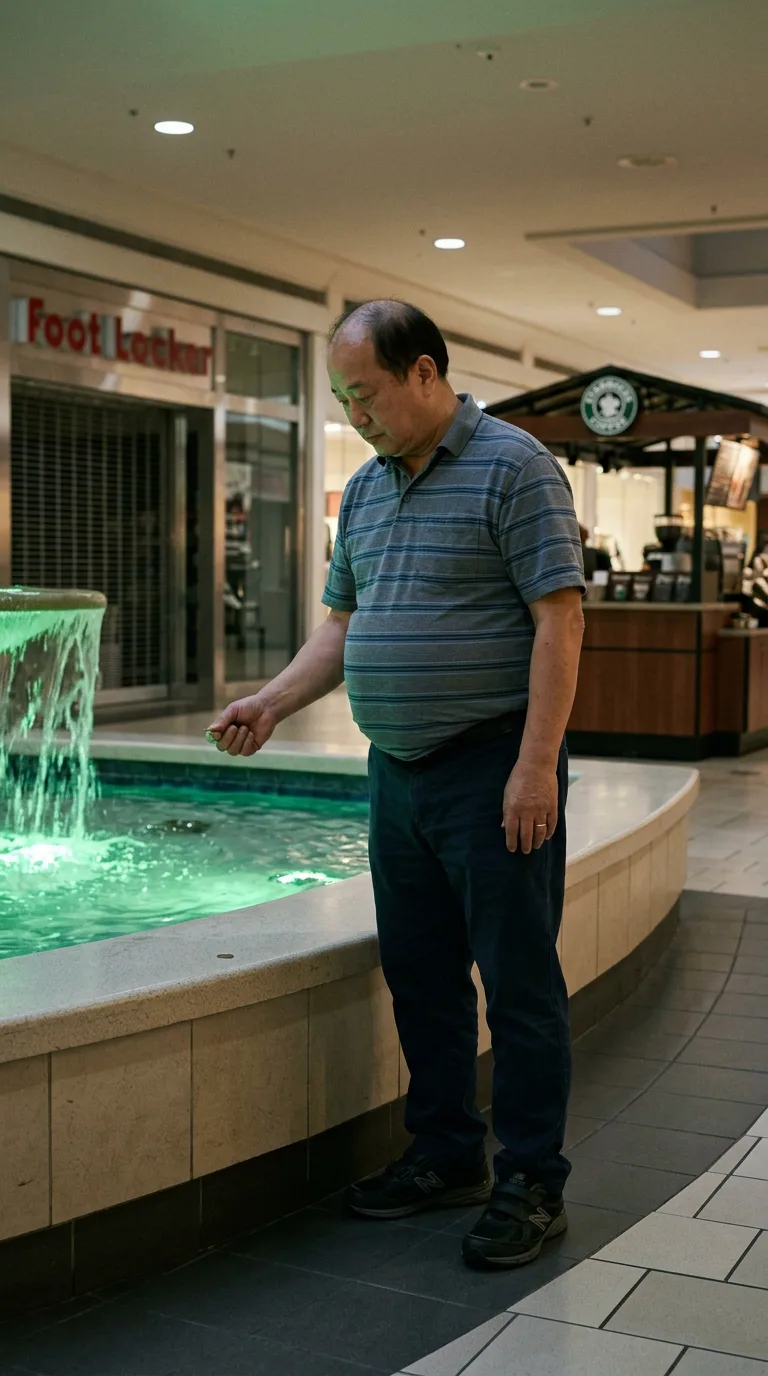
Rarest thing about him: Cigars only — rare, 1 in 22
Season 0seed 1989750964 · engine v10
Character card
lineage 2NZHHJ
His body-swap story
@colin.hasbrook, wearing Javier Melendez, rolled the wheel on and woke up as Harold Sakamoto, spent under a minute in him, then spun the wheel and woke up as Sean Marchetti-Voss
The wiring in Ricardo Feliu's forearms is starting to itch by the five hundred and forty-ninth wall you have opened him into, and that itch is the thing that decides it, not any single spark or shock. It is two in the morning, a job that pays too little in a house in Little Havana where the client's dog will not stop barking behind a closed door, and your knees — his knees, thirty-three years of them — are aching on the tile from an hour of kneeling in front of a panel that will not stop tripping. You set the pliers down on the drop cloth. You have been him for less than a minute, the facts say, though it does not feel that way; it never does from inside. There is a phone in his back pocket with a browser tab already open, because this is not the first night you have thought about it mid-job, thumb hovering, telling yourself not yet. Tonight there is no reason bigger than the dog and the itch and the wanting, which is the truest reason and the one you would not put in words even to yourself. You open vessel.cards. You spin.
The fountain water is still moving when you arrive, green light climbing up through it into a face that is not looking at anything in particular. The coin is already gone from the thumb. You feel it leave before you feel yourself arrive, which is wrong, which is the first wrongness — the splash comes up short, folds in on itself instead of throwing outward, and something underneath the water's small noise goes quiet in a way water is not supposed to go quiet. You are standing at the lip of it. Short. Heavy through the middle in a way Ricardo's body never was. Bad knees, worse in a different way — not sore from kneeling, just old, worn down evenly like stairs. A green polo shirt damp at the collar with a mall's overheated air. Coffee smell behind you, milk steamed hours ago and gone stale in the pipes. Foot Locker's gate half down for the night. The fountain lights buzz, right at the edge of hearing.
The polo shirt is against your back and it gives you a Tuesday: standing in the bedroom in Eagle River, pulling it over his head because Grace laughed at the striped one last week, said it made him look like he was hiding a beach ball under a tent, and he'd laughed too, because forty years married means you can say that and mean it kindly. The shirt still has that morning in it — the closet door that sticks, the smell of her hand cream on the doorknob, the two of them moving around each other in a room too small for two people who have shared it for four decades, not needing to talk, a whole language in where you stand and when you turn.
The wedding band on the left hand is warm from his own skin and it gives you more than the shirt does. It gives you Michiko's laugh at their daughter's wedding, gives you a fight in a Ford Tempo outside Fairbanks in 1988 that neither of them remembers the reason for now, gives you Grace after — the second one, the one that stuck all the way — bringing him rice porridge the week the doctor first said the word diabetes and he sat at the kitchen table not eating it, ashamed of a body that had started keeping its own secrets from him. Two kids raised between here and a life before Grace that he does not speak of much: a son in Seattle who calls on Sundays, a daughter forty minutes across town who still can't stand her father's coffee, made too strong out of habit from a job he retired out of eleven years ago and has not once missed, not the job, only the Fridays after it, a cigar on the porch with men now dead or moved to Arizona.
Your feet remember New Balance soles worn to the exact shape of his gait, sixty-five years of a walk that favors the left knee without meaning to. Your gut sits low and familiar under the polo, a weight he stopped fighting sometime in his fifties and made peace with the way you make peace with weather. Under the jacket left folded over one arm — you feel its absence, realize dimly he took it off in the mall's dry heat — there's a memory of it going on this morning too, or what was morning to him: sleeves that always run a little long, a zipper pull gone smooth from thirty years of the same two fingers. Everything about him is unremarkable in the specific way that thirty years of the same life make a man unremarkable to himself: nothing sharp, nothing that snags, just weight and habit and a coin that was, a second ago, still balanced on his thumb, and a wish he had already half-made and cannot now remember the words of, because the man who was making it is not here to finish the sentence.
You look down. The hand is thick-knuckled, the nails a little yellowed, the band catching green fountain-light on the third finger. You turn it over once, like checking it's real, the way you always do, five hundred and fifty times now and it never stops being strange to feel a stranger's palm answer to you.
"Huh," you say, to no one, in a voice pitched lower and rougher than the one you left behind in a house that still smells like drywall dust and an unpaid dog.
You don't know yet how long the itch stays quiet in this one.