Ethan Voss
Fictional. Generated by AI — not a real person, and no likeness of one is intended.
29, lawyer in Anchorage · rolled by @julian.reyes · card — no film
History
who has worn him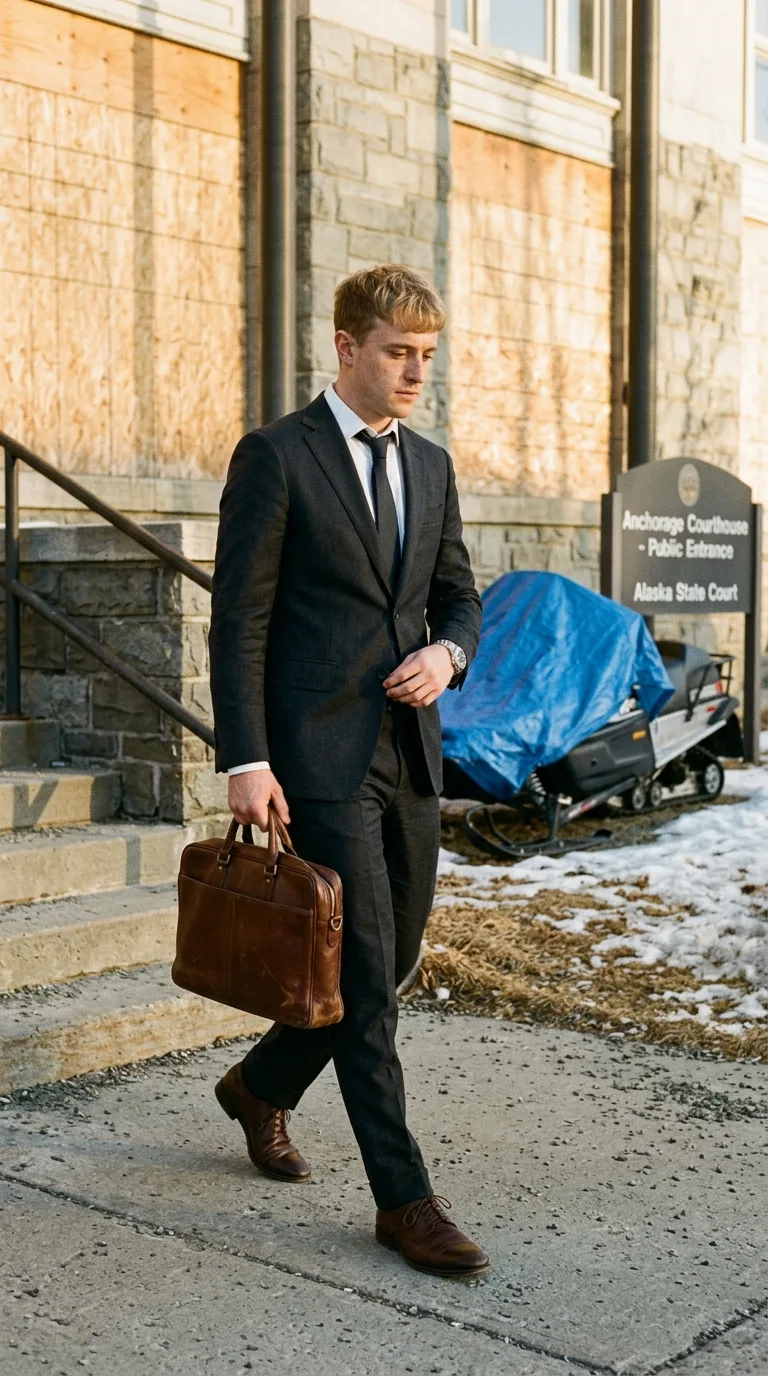
Rarest thing about him: Vapes socially — common, 1 in 44
Season 1seed 1738646382 · engine v11
Character card
lineage PYNCV3
His body-swap story
@julian.reyes (admin), wearing Héctor Salcido, rolled the wheel on and woke up as Ethan Voss
The wetsuit is still drying on the line in Héctor's bathroom, and you are standing in his kitchen clicking his own knuckles because they ache in a way you already recognize as his, not yours, and that is the whole problem. One day and one hour of him and you know his knees already, the twinge in the left shoulder from thirty years of current pulling at a tether, the smell of river mud that never fully leaves the hands no matter how hard he scrubs. He is good. He is strong and paid off and his wife — no, not yours, his, a woman named Carol who you have not called back because you don't know what you'd say to her in his voice — left him three casseroles' worth of grief when you didn't answer right. It isn't boredom exactly. It's that good bodies get heavy fast, when they're not yours to begin with, when every ache is a rented one. You open the site on Héctor's phone with Héctor's thumb, and somewhere under your borrowed sternum something that isn't him at all leans forward, hungry the way it always gets, and you spin.
The cold hits first — not real cold, remembered cold, Anchorage cold, thin afternoon light through a window with someone else's blond hair falling into someone else's eyes. Your hand is in the middle of clicking a pen and it clicks wrong, hesitates, clicks again, slow and deliberate, like a man relearning a signature. The next ten clicks come out counted. A desk. A courthouse smell of drop-ceiling dust and burnt coffee. You are sitting where a man named Ethan Voss was sitting one half-second ago, and now you are the only one sitting there.
The pen is a small hard thing and it gives you the first flash before you even mean to take it: law school, three years of it, the particular satisfaction of a closing argument that landed, a professor who said you had a way of making the small facts sound like the whole truth. Then the desk under your forearms gives you more — this exact desk, the nameplate you never bothered polishing, a stack of discovery you were three motions deep into an hour ago, when the day still belonged to someone who wasn't you.
The suit is the deep one. Cool grey wool, cut close, and when your shoulders settle into it the morning comes back whole: standing in front of a mirror in an apartment with west-facing windows, knotting this same navy tie one-handed because you'd learned the trick in your twenties and never let it go, checking the fringe of your hair in the hallway mirror, texting Sarah — her name arriving with a small warm pull, unhurried, three years steady — a photo captioned *court face* and her sending back a laughing emoji before you'd even locked the door. The freckles across your nose you never think about except when she traces them, which she does, absently, like counting something she loves. The watch on your wrist is heavier than you expected and it gives you nothing, just weather and metal, bought with a bonus check you remember cashing and feeling briefly, foolishly proud.
Your feet in these shoes know four different floors — courthouse marble, the gravel lot behind the office, the wooden porch of a cabin outside Girdwood where you go some weekends to not think about any of it, and this carpet now, thin and gray and municipal. Your legs remember running, actual running, a half-marathon two Aprils ago that you did on a dare and finished sore for a week. Your hands — soft compared to Héctor's, no calluses worth the name, but they know a briefcase clasp by feel, know how to hold a folder open while turning pages with the same hand, know a jury's attention span down to the second.
Under the shirt, your back is warm from a radiator somewhere behind you, and the smell of the room — toner, snowmelt tracked in on someone's boots, the particular mildew of an old public building — brings up an entire year: the winter you made partner-track, the case you lost that still visits you at three in the morning sometimes, the vape you keep in your desk drawer for the days after court that go long. None of it is dramatic. It's a good life, comfortable, the kind that lets a man believe nothing is coming for him.
The pen stops in your fingers. You look down at the hand holding it — the freckles, the clean short nails, a hand that has never been asked to check its own motion before today and now cannot stop checking it — and you turn it over slowly, feeling how light it is after thirty years of someone else's muscle.
You look up, into the fluorescent hum of the courthouse office, and you say, quiet, mostly to no one:
"Okay. Who left the pen like this."