Dominic Achebe
Fictional. Generated by AI — not a real person, and no likeness of one is intended.
36, firefighter in Chicago · rolled by @brian.okafor.lynch · card — no film
History
who has worn him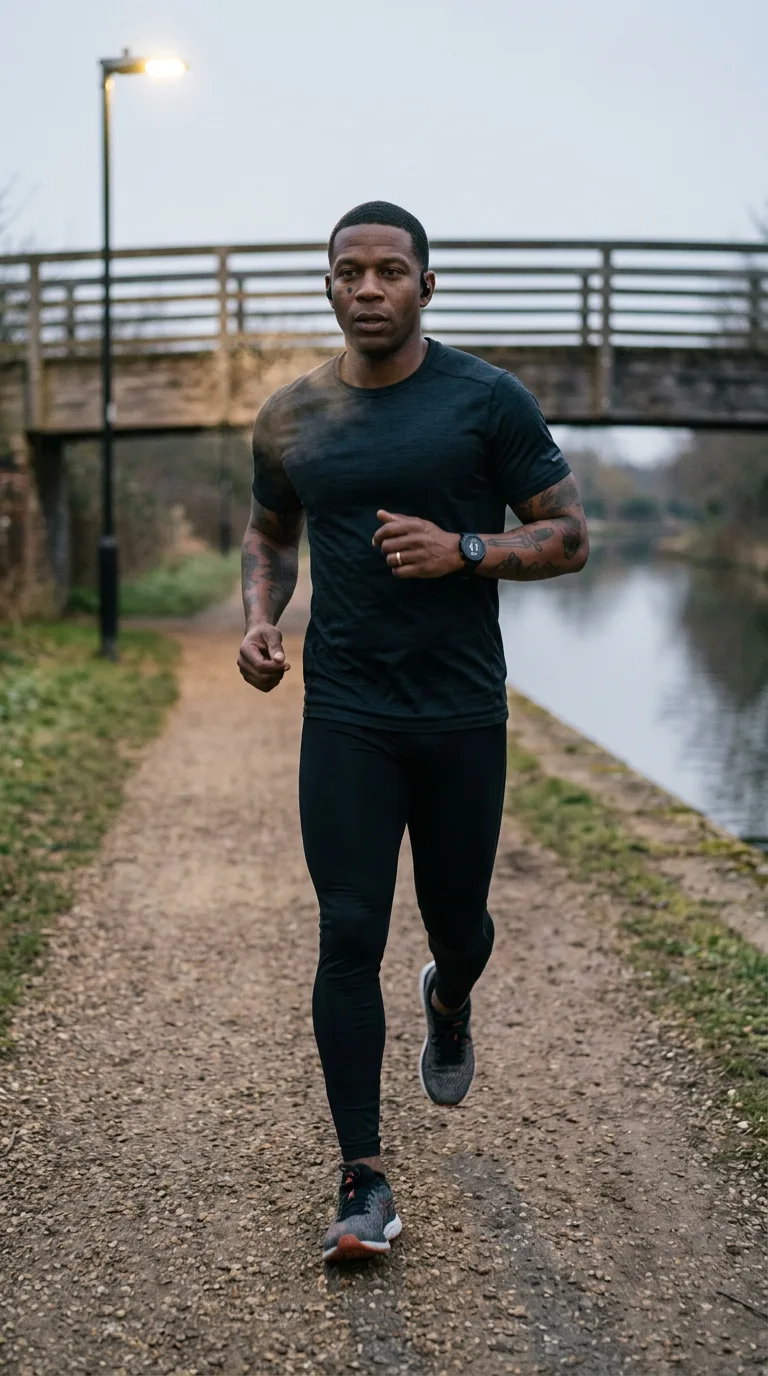
Rarest thing about him: Bisexual — epic, 1 in 29
Season 0seed 16017796 · engine v10
Character card
lineage 79CGDV
His body-swap story
@brian.okafor.lynch, wearing Rolando Fierro, rolled the wheel on and woke up as Dominic Achebe, spent 1 minute in him, then spun the wheel and woke up as Walter Pruszynski
The glass shop smells like cut glass always does, mineral and faintly sweet, and you have been standing in Rolando Fierro's kitchen for exactly one minute, still tasting whatever he last ate, and it is already not enough. Sixty seconds of somebody else's short body, the ache already starting low in a knee that isn't yours to keep, and the boredom comes on so fast it embarrasses you a little, alone in the dark with everyone in El Paso asleep and nobody to see how quickly you get tired of a man. Fierro worked all day with his hands and they still remember the rasp of the cutter, and that flicker is the only interesting thing about him. You go to the site anyway, the way you always do, phone light too bright in this stranger's kitchen, and you spin because a comfortable little life in a small body is not what you came here for tonight. You want something bigger. You are not proud of that. You spin.
The wheel is still deciding when your stride breaks.
Two steps that never land, the gravel wrong under a heavier heel, and then you are running again on somebody else's rhythm, taller, wider through the shoulders, cold air scraping a chest that pulls harder for it than it should. Dawn on a canal, breath smoking, an earbud crackling something you didn't choose. A watch buzzes against the wrist with a split it has no memory of you running. Your foot — his foot — comes down on the other side, arms lower now, head steady, and the body simply absorbs you like a stone dropped into water that closes right back over.
The shirt is what opens him first — damp already at the collar, clinging under his arms, and through it comes the specific, ordinary satisfaction of a body that trains hard and likes to be pushed, four miles in and the legs still willing. Asthma lives somewhere under that willingness, a tightness at the very bottom of each breath, small and known and managed, an inhaler in a gym bag back at a station nobody's thinking about right now. The mole on the cheek itches faintly in the wind, the way it always does in cold weather, a fact his own fingers have never once needed to check.
Then the memories start arriving in pieces, keyed off what he's touching, and there's so much of him.
The watch on his wrist gives you this morning — three-something, the apartment dark, his wife's breathing steady behind him as he peeled back the covers without waking her, the third kid's night-light bleeding into the hallway from a cracked door, and beyond that a fourth somewhere, a crib he checked without thinking, a habit worn smooth as a doorknob. He dressed by feel in the dark: compression shirt first, the one that's given you this whole flood, then the tights, then the shoes he keeps by the door so the laces don't wake anyone, tying them on the front step in the cold with his breath already showing. He is a man who runs before shift because shift eats the whole day otherwise, because the run is the only hour that belongs only to him, and even that he shares — with the ache in the knee, with the asthma he's had since he was nine and refuses to let slow him down, with the quiet the city gives him at this hour that church on Sunday gives him in a different key.
The earbuds carry a sermon podcast half-listened-to, and under it, unbidden, comes a service six years back, hands raised around him, his wife's hand found and held without looking, an old promise renewed in a room full of people who didn't know yet there'd be a third kid, let alone what would come after. The wedding band, warm now against a chilled finger, brings the wedding itself, brings before that too — an ex-girlfriend's name surfacing soft and complicated, a chapter closed a decade ago that he still, honestly, prays doesn't come up when he's honest with himself about who he could have loved. He never drank through any of it, never needed to; nicotine never took either, though his old lieutenant used to offer.
His hands, when he isn't running them through this — when he isn't thinking about them at all — go to his cuticles, worry them raw at kitchen tables during budget meetings, in rigs between calls. Right now they're fists, pumping at his sides, and under the skin the tattoos ride the muscle: an eagle, a dagger, a rose gone soft with color loss, ink he got young and dumb and has never regretted, each one a story his crew has heard at least once too many times over coffee that's gone cold in the apparatus bay. The apron of the firehouse comes back whole — brick and cold light, the engine's grille catching the morning, kids from the block waving at him like he's something out of a book, and him waving back because some days he still can't believe that's true.
Then there's the smell of the canal itself, wet gravel and diesel drifting off a bridge, and it hands you nothing more, because this part he was never given time to make a memory of.
Your — his — legs slow to a stop on their own, chest working around that asthma-tight bottom breath, and you look down at hands you did not have one minute ago, turning the left one over to watch a wedding band catch the streetlight, cuticles already picked pink at the edges without you doing it, an eagle's wing flexing over a forearm gone still.
You lift your eyes to the gray water, to nobody, to the lamp overhead doing nothing for the dark still sitting over Chicago.
"Okay," you say, out loud, to no one who could hear it. "Okay. Not bad."