Daniel Kwon
Fictional. Generated by AI — not a real person, and no likeness of one is intended.
22, nurse in Seattle · rolled by @colin.hasbrook · card — no film
History
who has worn him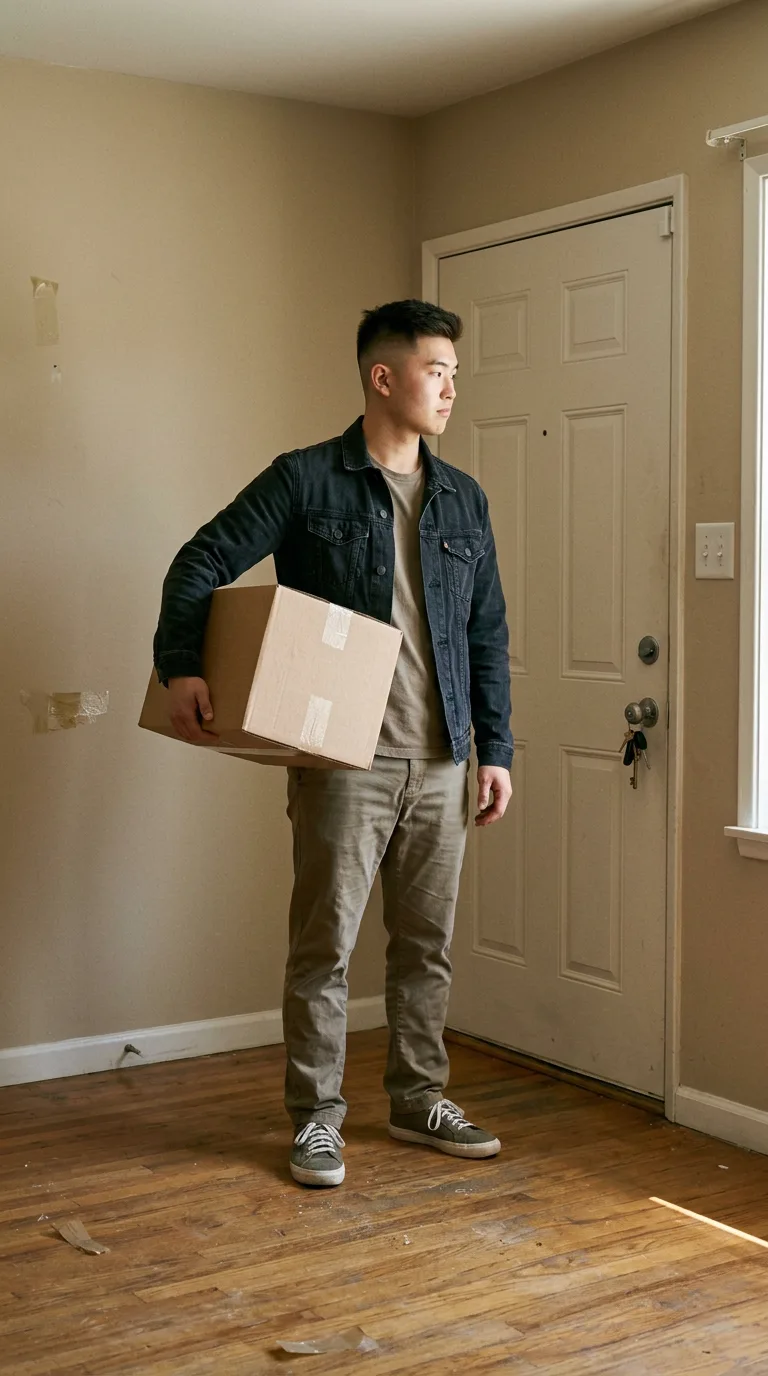
Rarest thing about him: Light brown — legendary, 1 in 258
Season 0seed 175155948 · engine v10
Character card
lineage 2NZHHJ
His body-swap story
@colin.hasbrook, wearing Marcus Deleon, rolled the wheel on and woke up as Daniel Kwon, spent 1 hour in him, then spun the wheel and woke up as Imran Qadir
The apartment is Marcus Deleon's, and it is nice — nicer than a beat cop's apartment has any right to be, but you have learned not to ask the wheel where the money that comes with a body was earned, only to spend it. You are standing at his window with his beer sweating in his hand, and the boredom has already set in, the specific kind that comes on the tail end of adrenaline. You chased somebody through a rowhouse block two nights ago. You cuffed a man on a stoop while his kids watched from the window. It was, for about ninety seconds, the best you've felt in months. Then it was paperwork, and now it's a Friday night alone in a nice apartment with the TV loud and nothing in you willing to sit still through it. Five hundred and sixteen times you've done this. You know the shape of the itch by now. You finish the beer, open the laptop, and the wheel is already glowing before you've admitted to yourself why.
The spin lands, and you are shorter, lighter, younger, mid-motion — a box against your hip, its cardboard edge biting into bone, your own left arm burning faintly with the held weight of it. Late light comes low and gold through an uncurtained window, catching motes off the floor. There's a door in front of you, still open, keys hanging from the lock, swaying very slightly like someone just let go of them. Which someone did. You did.
You set the box down on bare hardwood, and the sound of it — corrugate on wood, a small final thud — brings the first flash: this same box, being taped shut in a studio across town, Daniel's knee braced against it, an eleven o'clock shift starting in nine hours and a lease starting today, the two facts colliding into an all-nighter of moving that he told himself he could handle. Twenty-two-year-old confidence. You feel it in the low ache already sitting in his shoulders, the kind of tired that hasn't caught up to him yet.
You walk the room's edge, and that's what does it — not deciding to, just the body doing what it already knows, knuckles trailing drywall, checking the corner where the outlet is, the baseboard where it's split, at home in a room with no furniture and no lights on yet, because Daniel has done this before, once, four years ago, alone, and it left a mark on him that isn't a scar so much as a habit: he touches the walls of any place before he decides whether to trust it.
The scrub top comes back through the fabric of the jacket over it, even though he's not wearing scrubs now — the ghost of the fit is in his shoulders anyway, the V-neck collar, the pen in the chest pocket, the badge reel that swings when he leans over a bed rail. Six a.m. this morning, the version of today that started twelve hours before this box, dressing in the dark of the old apartment so as not to wake nobody, because there was nobody, buttoning nothing because scrubs don't button, just pulling the shirt over his head and feeling the collar settle and thinking, last time I put this on in that room. He clocked in. He charted under lights that hum at a pitch only tired people can hear. He held an old man's hand for four minutes past when it was medically necessary because the man asked him to and there wasn't anyone else who would. Then he clocked out, drove home— no, drove to the new place, because home doesn't exist yet, home is a lease and a box and a doorway — and vans full of his life sat curbside until he carried the last of it in himself, alone, because he didn't want help for this part.
The jacket is thin denim, worn soft at the cuffs, a jacket he bought used and loved instantly, the kind of thing that becomes a person's whole silhouette without them planning it. His hands know a thousand small motions that are not yours: the two-finger check of a pulse, the practiced gentleness of turning a patient's arm over to find a vein, the exact pressure of capping a pen one-handed while charting with the other. None of that is in the room right now. What's in the room is a body that is tired in the ordinary, good way — legs sore from stairs, an ache low in the back from lifting, hunger starting to announce itself, twenty-two and still able to shrug all of it off by morning.
You crouch by the outlet, and the floor gives you one more thing: this exact hour, a year from now, in your head, imagined and warm — him on this floor with furniture around him, a rice cooker going, some version of a life he hasn't built yet. It isn't a memory. It's a hope of his, still warm, still unclaimed. You are standing inside it.
You look down. Your hands — his hands — are still faintly dust-grey from the cardboard, the nails clean and short, a nurse's hands, no marks on them at all, nothing to show for anything. You turn one over like it might answer a question.
"Home," you say, out loud, to the empty room, in his voice, and you don't know yet if you mean it or if you're only checking how it sounds in his mouth.