Aidan Bhatt
Fictional. Generated by AI — not a real person, and no likeness of one is intended.
18, student in Phoenix · rolled by @colin.hasbrook · card — no film
History
who has worn him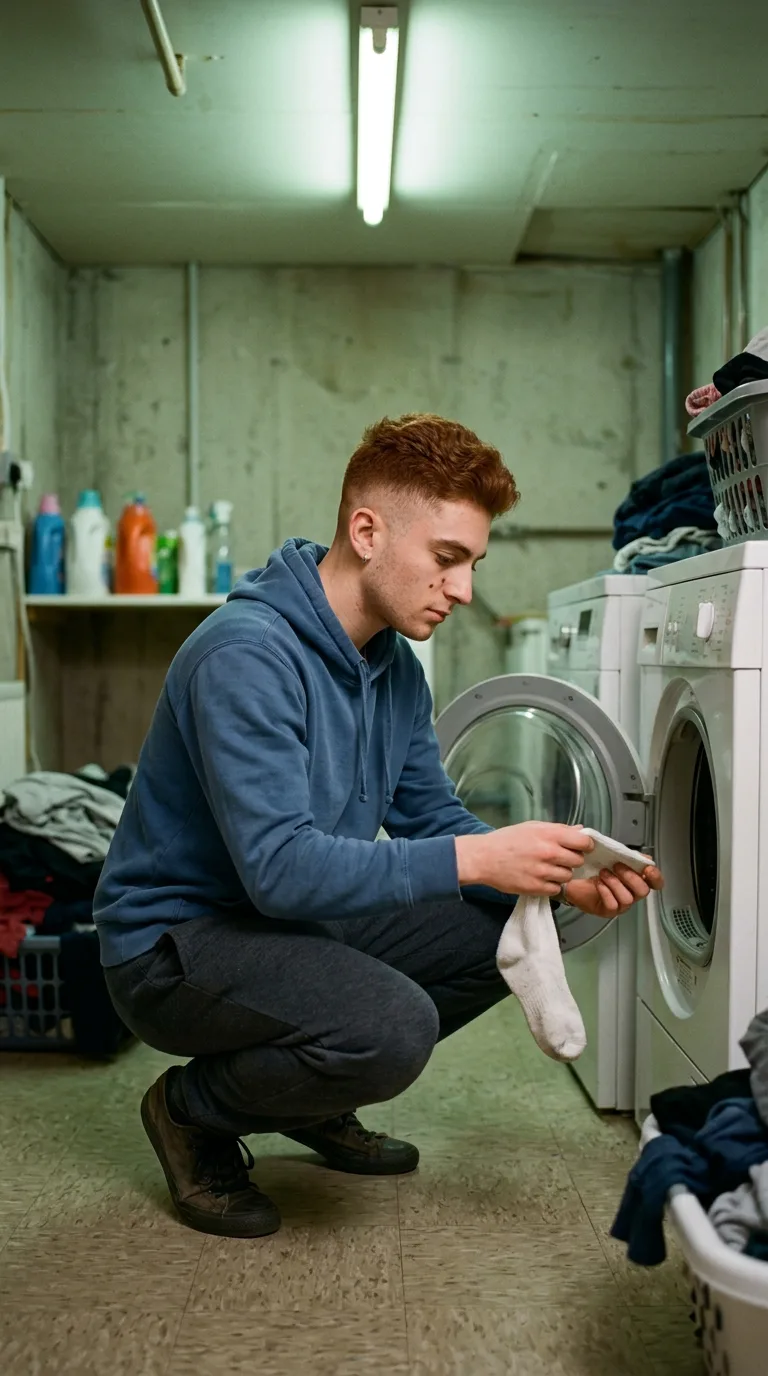
Rarest thing about him: Red — rare, 1 in 40
Season 0seed 1932641118 · engine v10
Character card
lineage 2NZHHJ
His body-swap story
@colin.hasbrook, wearing Gary Trassit, rolled the wheel on and woke up as Aidan Bhatt, spent 4 minutes in him, then spun the wheel and woke up as Marlon Whitfield
The bus is parked, the route's not due till two, and Gary Trassit's body is sitting on the edge of a made bed that isn't yours, in an apartment that isn't yours, on a Sunday morning that belongs to a man forty-five years old with a bad knee and a shift he'll drag himself into tomorrow. You've been him less than a minute and already you know the whole shape of the rest of the day: the recliner, the ballgame with the sound low, the knee brace on the coffee table, the freckled hands that ache when it's about to rain. It isn't bad. It's just already over, the way a room is over the second you've seen every corner of it. You didn't spin 305 times to sit in a recliner. You get up, feeling his knee complain, and you go to the laptop on the kitchen counter, and you open vessel.cards, and you do not hesitate over it, because hesitating is for people who still have a reason not to.
The wheel spins through faces the way a slot machine spins through fruit, and it lands, and there is no falling and no rising, only difference: you are shorter now, and lighter, and there is warm fabric in your hand.
You are crouched on tile that smells like fabric softener and old concrete, a fluorescent tube ticking above you, and in your fingers is one white sock, warm from the dryer, its mate somewhere in the drum behind you still tumbling with the rest. Your knees don't hurt. Nothing hurts. There's a lightness in the chest that isn't relief, just youth, just a body that hasn't had eighteen years to accumulate complaint yet. A small cold ring of metal sits in your left earlobe. Your hair feels strange against your scalp, cropped tight at the sides, and before you've decided to, the hand not holding the sock lifts and drags itself once over that short hair — not your gesture, his, arriving before you asked for it.
The sock gives you the first flash: standing in this same spot last week, annoyed, because someone upstairs keeps leaving whites and colors in the same load and it's his job, always his, because he's the only one who does laundry right in the whole house. Small thing. Then bigger: his mother's voice through the ceiling vent, calling down that dinner's at seven, and the particular ache of loving a house you're trying to leave for college applications you haven't finished yet.
You pull the rest of the load, warm and heavy, into the basket, and your hands square the corners of a t-shirt without being told to — fold, fold, crease, stack — and that motion alone opens a whole year: a summer job folding towels at a resort pool because his dad said idle hands, and his dad was Punjabi about certain things and easy about others, and the folding stuck, outlasted the job, became this. Upstairs in a drawer are eight shirts crumpled by someone else's hand, not his, and some other week's memory surfaces resentful and fond at once — his roommate at the dorm does laundry like a raccoon, and Aidan does it like this, like a small apology to nobody.
The hoodie you're not wearing yet but will remember putting on: it's blue, soft at the elbows, and this morning — his morning, the one behind this one — he pulled it over his head still tasting the mint of a nicotine pouch tucked along his gum, the one habit he keeps meaning to tell his girlfriend about and mostly does, because she asked once and he didn't lie. Priya's face comes up warm and unbidden: a laugh over video call, her telling him his mole makes him look like he's always got a secret, him telling her the secret is he's failing stats. That's a joke. He isn't failing. He's tired, some mornings, in the specific gray way his psychiatrist has a name for and a small orange bottle for, on the shelf in the bathroom upstairs, and he takes it without shame because his mother taught him shame is heavier than pills.
The dryer door, still open against your shin, gives you the coin-op hum of a hundred Sundays, and under that the temple smell from last Diwali, marigolds and ghee, his father's hand on the back of his neck saying something proud in Punjabi that he only half understood and fully felt. Bisexual and never once needing to explain that to either parent, which he knows is luck, which he doesn't take for granted. A boy at his old school, once, sophomore year, a nervous kiss behind the gym that he still thinks about sometimes without needing it to mean anything. Priya now. Good, easy, real.
The basket handle bites warm plastic into your palm, familiar to a body that's carried it a thousand times, and your knees — his knees, young, unbroken — hold the crouch without complaint, and there's a rightness to that you'd almost forgotten a body could have.
You look down at your hand — his hand — turning it over in the fluorescent light, seeing the mole's shadow fall faint across your own cheek in the dryer's chrome, the small hoop catching light at the ear.
"Okay," you say, to the empty laundry room, to no one, in a voice younger than you've used in months. "Okay. Let's see how long you last."