Aaron Kessner
Fictional. Generated by AI — not a real person, and no likeness of one is intended.
35, train conductor in Nashville · rolled by @colin.hasbrook · card — no film
History
who has worn him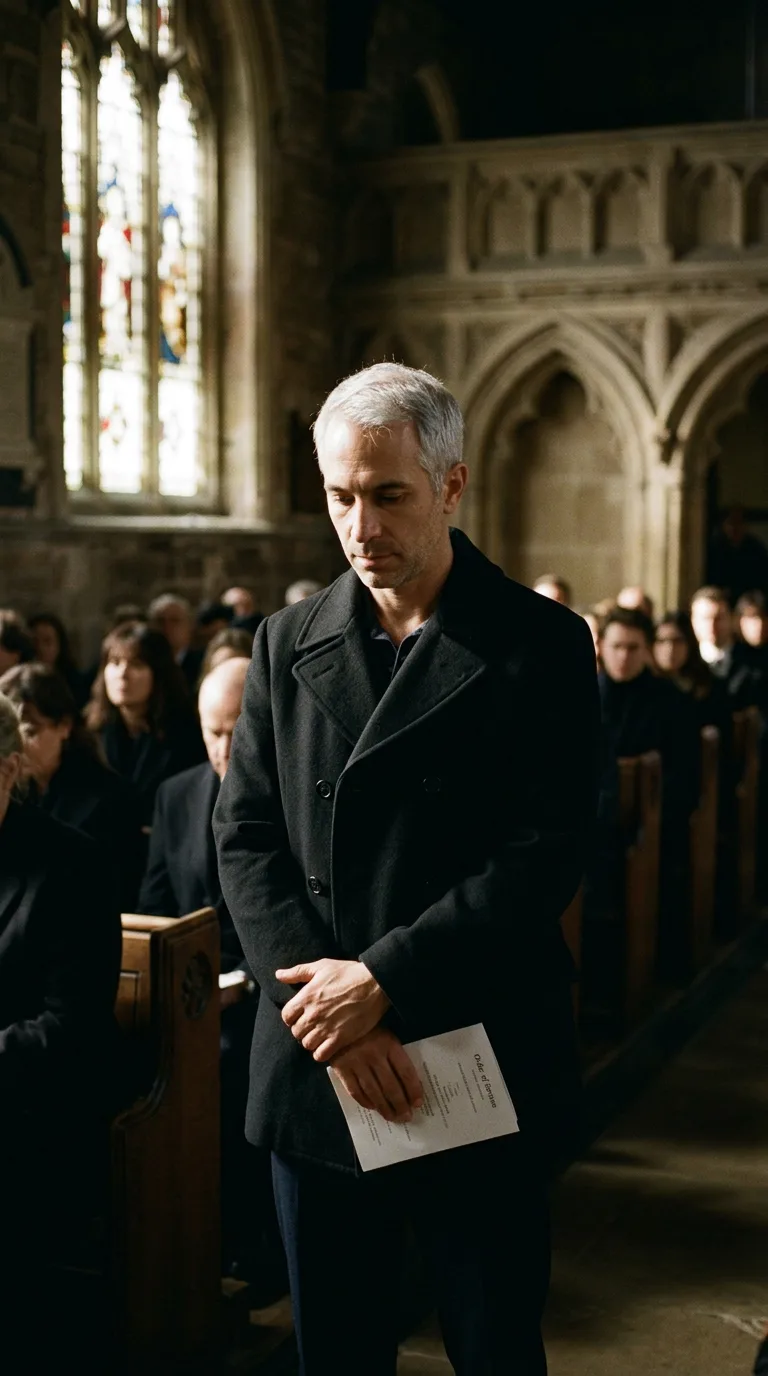
Rarest thing about him: Platinum / silver — legendary, 1 in 129
Season 0seed 1632870593 · engine v10
Character card
lineage 2NZHHJ
His body-swap story
@colin.hasbrook, wearing Marco Villalobos, rolled the wheel on and woke up as Aaron Kessner, spent under a minute in him, then spun the wheel and woke up as Amir Nassif
You are standing in a break room in Houston that smells like burnt coffee and pine cleaner, and the mop bucket is still where you left it, and the clock on the wall says the afternoon is going nowhere fast. Marco's body is small and quick and none of it is boring exactly — the gap in his teeth when he almost-smiled at a coworker, the ease in his shoulders — but twenty-nine minutes ago you spun into a man mid-shift with four more hours of floors ahead of him, and the floors are still there, and so is a supervisor named Denise who does not like the way you're standing around. You paid for a life and got a Tuesday. That itch again, low and familiar after four hundred and sixty-two of these — not unhappiness, just the sense that somewhere a better card hasn't been drawn yet. You go back to the site. The wheel is already loading before you've admitted why.
It lands on him mid-breath, at the back of a chapel, and there is no seam between not being him and being him. The organ note dies into the ceiling. Bodies rise around you in a soft collective creak of pews, and you rise with them a half-beat late, like a man catching a joke after the room has already laughed. A folded order of service is in your hand, damp at the corner where fingers have worried it. The coat around you is heavier than Marco's coveralls, wool, borrowed-smelling. Nobody turns. Nobody ever turns at the back.
The coat is the first thing that talks to you. Not his — a cousin's, too broad in the shoulder, and the memory comes in through the collar: standing in a bedroom that wasn't his, a woman's voice through the door saying *just wear Pete's, you don't own black*, and the small flare of shame under the ribs, a man who flies by the seat of his pants financially and knows it and hates being reminded of it in front of family. You feel that shame settle into you like it's still warm.
The order of service gives you a name you don't try to hold — someone's grandmother, a photograph on the front in soft focus, flowers nobody paid too much for. Your thumb finds the fold he's made in it, worn soft already, and there's the drive in from the airport, a rental car radio tuned to nothing, the flat gray light of a Nashville he doesn't often leave. He came alone. He almost didn't come. Somewhere behind the ribs there's a familiar hum — the pills in his coat pocket at home, taken every morning without thinking about it anymore, the reason mornings don't have teeth in them the way they used to.
The shirt collar against your neck brings the morning back whole: dark before the alarm, second alarm, standing in his own kitchen buttoning this same shirt one-handed while coffee dripped, the tie he decided against, the small satisfaction of choosing black shoes that were already black instead of digging for polish. His hands did this without him watching them — thirty-five years old and his hands know their own weather. He thought, buttoning the second-to-last button, about the platform he'd be back on tomorrow, the step box, the flag, the particular ache behind the knee that comes from a decade of stepping down onto ballast and gravel at odd hours. Nashville nights lit orange through his apartment blinds, neon bleeding two streets over where the bars don't stop. He does that big night out once, twice a month, and smokes only then, only outside some bar with his back to a brick wall, watching the alley cats work the dumpsters behind the honky-tonks. Mostly he doesn't. Mostly he goes home to a quiet place and takes his pill and sleeps like something turned off.
You feel the scalp under the short platinum hair, the place at the crown that the wind finds too easily now, a thing he's stopped fighting sometime around thirty-three. You feel the calluses along his palm that aren't from this — from grab irons, from the cold brass of the handle he checks before every departure, muscle memory with nowhere to go in a chapel. Athletic legs restless in dress pants. A body used to being upright and moving, parked here instead among strangers' grief, doing the arithmetic of how long is decent before he can leave.
Somewhere in him is a marriage that didn't happen — a woman two years back who wanted the conductor's schedule to bend and it didn't, and the quiet unspectacular way that ended, no one's villain, just two calendars that stopped lining up. No kids to explain it to. No one waiting on his phone. He came to this funeral because it was owed, not because it hollowed him, and that, too, sits in you clean and plain: a man managing his life competently, medicated, sober enough, alone in a specific unremarkable way that isn't yet a wound.
You look down. The order of service is still folded in fingers that are not, technically, anyone's now — not Marco's short brown ones, these longer, weathered, a white scar of sun across the back of them from platform light he never thinks to block. You turn the hand over once, feeling its unfamiliar weight, the thinness of the knuckles compared to the last man's.
You lift your eyes off it, past the folded paper, into the low gray chapel light, and somewhere behind you a widow is being led up the aisle, and you say, quiet enough that no one at the back of a crowded room would think it strange —
"Sorry. Wrong service."