Wesley Tanner
Fictional. Generated by AI — not a real person, and no likeness of one is intended.
35, student in Denver · rolled by @colin.hasbrook · card — no film
History
who has worn him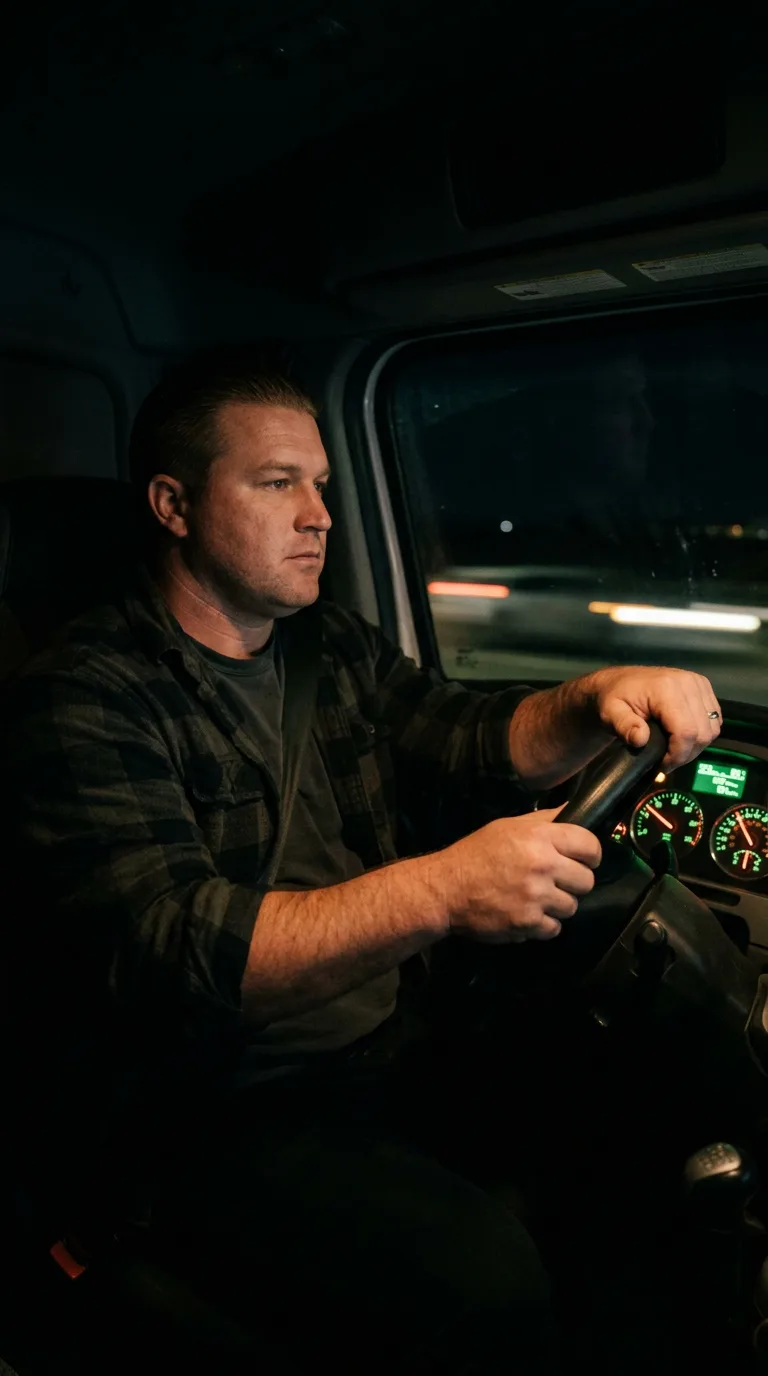
Rarest thing about him: Denver — uncommon, 1 in 44
Season 0seed 921694325 · engine v10
Character card
lineage 2NZHHJ
His body-swap story
@colin.hasbrook, wearing Adam Sonnenfeld, rolled the wheel on and woke up as Wesley Tanner, spent under a minute in him, then spun the wheel and woke up as Marcus Boileau
The line outside the club has been the same for four hours: fake IDs, cologne, a girl crying about a coat check. Adam Sonnenfeld's knees ache in a way that has nothing to do with tonight and everything to do with every night before it, and somewhere around eleven he catches himself doing the math he does every few weeks — how many years of standing at doors are left in these knees, how much longer before the ache wins. He waves through a bachelorette party, tells a kid to get lost, and in the gap between one face and the next the wanting rises up out of nowhere and everywhere, the way it always does — not boredom exactly, not the ache exactly, just the old itch that says *not this, not tonight, not forever*. He steps into the alcove by the coat check where the wifi reaches, thumbs open the page with the wheel on it, and spins, already gone before the doorman even notices him leave.
The highway comes up around you sideways — dark, fast, a green sign sliding past that you don't have time to read. Both hands are already on the wheel, ten and two, and there's a weight in the chest and gut that Adam's body didn't have, a softness under muscle, a low steady throb in the lower back that has clearly been there for years and is simply the price of admission now. The car drifts a foot toward the centerline on its own, some last motion of the man who isn't driving anymore, and you correct it in one smooth pull, hands sliding down and wider on the wheel like they've done it ten thousand times. Your thumb finds the turn signal and clicks it up for an exit that isn't his, and somewhere in that click the whole rest of him starts arriving.
The wheel is the first thing that talks back to you: rubber-wrapped, a worn patch at four o'clock where a right hand rests more than it should, and through it comes a decade of merges, a coffee spilled on this exact console, a woman laughing in the passenger seat before there was a ring on your left hand. The ring itself is next — plain, warm from the skin under it, and it opens onto a courthouse afternoon, nobody there but two witnesses and his mother crying more than the bride did, and a promise made in a voice that still catches a little on *her* name even now, years later, alone in a car. Sarah. Her name arrives soft and used, worn the way the wheel is worn.
The flannel against your back is buttoned over a gray t-shirt, and it gives you the morning: standing in front of a dresser mirror in a bungalow with the Front Range going gold behind the rooftops, pulling the flannel on over aching shoulders because the campus building runs cold, one arm at a time, the second sleeve catching on the wedding band the way it always does. Under the shirt, muscle sits thick and soft together, thirty-five years of a body that used to move for a living and now mostly sits — in cars, in libraries, in folding chairs meant for people twenty pounds lighter. The lower back has its own memory, separate from his, a dull permanent complaint that flares when he's been driving too long, which he has been.
Other things surface unbidden, out of order, the way flashes do: a laptop open on a campus lawn, sun on the screen, him twelve years older than everyone else in the intro class and not caring anymore who notices; a woman who isn't Sarah, a name that comes with a color more than a face — a bar, a laugh, a door he chose not to walk through ten years ago and has thought about maybe four hundred times since, harmless mostly, worn smooth like a stone in a pocket, never mentioned to anyone. A cigarette he hasn't had in six years and still sometimes reaches for out of habit at stoplights. The hand on the wheel cracks its knuckles without being told to, an old unconscious tic, one two three, and the small violence of it feels like coming home to a body that already knows what it's for.
Three miles from a porch with a light left on. A wife inside it, probably at the stove, probably listening for the driveway. None of it yours yet, all of it right there, close enough to touch, closer than anything you've been given in two hundred and seventy-three men before him.
You lift your right hand off the wheel at a red light that isn't red anymore and look at it — thick fingers, pale gold band, a knuckle you now know cracks on its own, a hand that has never once in its life belonged to you until this second — and you turn it over slow, like checking it's real.
"Okay," you say, to the windshield, to nobody, to him. "Okay. Let's go home."