Wendell Iseman
Fictional. Generated by AI — not a real person, and no likeness of one is intended.
60, real estate agent in San Francisco · rolled by @colin.hasbrook · card — no film
History
who has worn him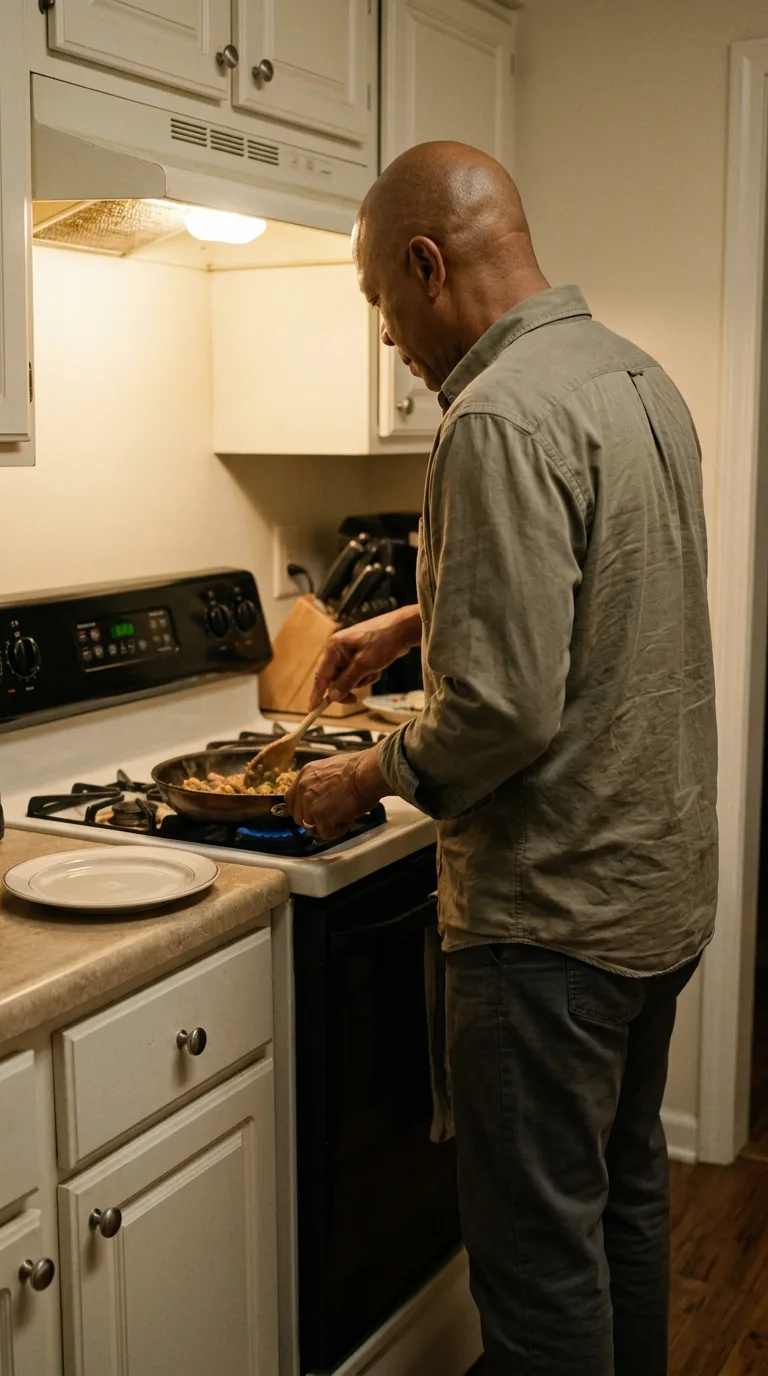
Rarest thing about him: Mainline Protestant — rare, 1 in 25
Season 0seed 191126798 · engine v10
Character card
lineage 2NZHHJ
His body-swap story
@colin.hasbrook, wearing Rubén Zamarripa, rolled the wheel on and woke up as Wendell Iseman, spent under a minute in him, then spun the wheel and woke up as Hector Villagrán
The chainsaw is off but your ears still ring with it, and the lazy eye you've been wearing for less than a minute drifts toward the tree line while the rest of Rubén Zamarripa's face stays pointed at the truck. It is afternoon here, hot, the kind of Monday that feels like it started a week ago. Your back — his back — aches in the specific way that forty-four years of leaning into a saw aches. You didn't ask for this body seventy-six spins deep into a habit that stopped being a hobby a long time ago, and you're not going to grieve it either. He was fine. Legs that worked, a truck that started, a face that never quite looked at anything straight on. But fine has a half-life. You feel it going stale in your chest before you've even decided anything, that old itch, the one that has nothing to do with Rubén and everything to do with the fact that there is a phone in his pocket and a wheel waiting on it and seventy-six men behind you who all, eventually, stopped being enough. You dig the phone out with his calloused hand. You spin.
The wooden spoon is already in your hand when you arrive, mid-turn, and you nearly drop it because the hand around it is not the hand you expect — smoother knuckles, no scar where Rubén split his thumb on a felling wedge in '09. The stirring stops. It reverses, slow, the wrong way, and you feel the pan's heat coming up through a spoon handle that is thin and pale with age. Your lower back doesn't twinge the way his did; instead there's a tightness high in your chest, a held-back cough, the ghost of a wheeze. Salt comes off your fingers into the pan and you don't taste it. Somewhere behind your sternum a small burner-light of memory is already trying to switch on.
The shirt is what does it first — worn cotton against your shoulders, soft from washing, and it comes to you in his feeling, not yours: standing in front of the closet that morning, running his palm down three hangers before choosing this one because it didn't need ironing, because ironing at 6 a.m. felt like a chore for a marriage he doesn't have anymore. Wendell Iseman. The name surfaces with the shirt, the way his own name always does, printed on business cards he still has boxes of in the garage under the bay window, boxes he keeps meaning to throw out and doesn't. Thirty-one years selling houses in this city, more of them good than bad, and a broker's license that still says his maiden — no. His name. Just his. There was a wife's name attached to a joint account once, Carol, and the flash of her comes not gently but all at once, the way grief does when you're not braced for it: Carol laughing at something on the porch of a listing on Diamond Street, Carol's hand steadying his elbow the day the surgeon called it. Four years now. You feel the exact weight of a body no longer expecting anyone else's weight beside it in a bed.
The spoon again — his hands know rice, they know it without him thinking, a rhythm laid down over decades of cooking for two and then, after, cooking the same recipes halved and then not halved, because portioning down felt like something he refused to do. That's why there are two plates. Not memory exactly — more like a hand that has set two plates on this counter ten thousand times and does not consult him about whether it should stop. You feel that click of unconscious wrongness ripple through him even as you stand in it: an old habit outliving its reason, tender and a little sad, and utterly his.
His chest tightens on an inhale of hot cooking steam and an inhaler surfaces in memory — top drawer, left of the sink, an amber shape he could find in the dark, three puffs before jogs he no longer takes. Asthma since childhood, since Fillmore District summers thick with somebody's cigarette smoke on the stoop below. He quit that habit himself decades back but the lungs never forgot being young and bad to. A drink most nights — bourbon, two fingers, seven-thirty, alone at this same counter, and no shame in that either, just company measured out in ounces because there wasn't any other kind coming.
The wedding band is warm from stove heat when your — his — thumb finds it against the spoon. You get the wedding itself, brief and gold-lit, a church that still stands six blocks from here, and you get thirty years compressed down into small physical things: her spot on the mattress, the particular give of it. The nose comes to you last and strangest — a fight at nineteen, a punch he didn't duck, a bone that healed crooked and that he stopped minding around the time Carol told him it made him look like he'd lived. He liked being looked at that way. Being seen as a man who had lived.
The porch, the lockboxes, clients who call him Mr. Iseman like it's a title he earned — all of that is there too, banked warm and recent, today's open house still hours off, this meal the thing standing between him and putting the blazer back on.
You look down. The hand holding the spoon is dark-skinned, broad-knuckled, older than any hand you've worn in months, a wedding band loose enough to turn with the thumb. You set the spoon down against the pan's lip and lift both hands up into the stove light, turning them, the tremor in them entirely new to you and entirely his.
"There you are," you say, to no one, to the empty kitchen, to the second plate you don't remember setting down — and you don't know yet how long you'll let it sit there before you spin again.