Tyler Bousquet
Fictional. Generated by AI — not a real person, and no likeness of one is intended.
18, student in Houston · rolled by @colin.hasbrook · card — no film
History
who has worn him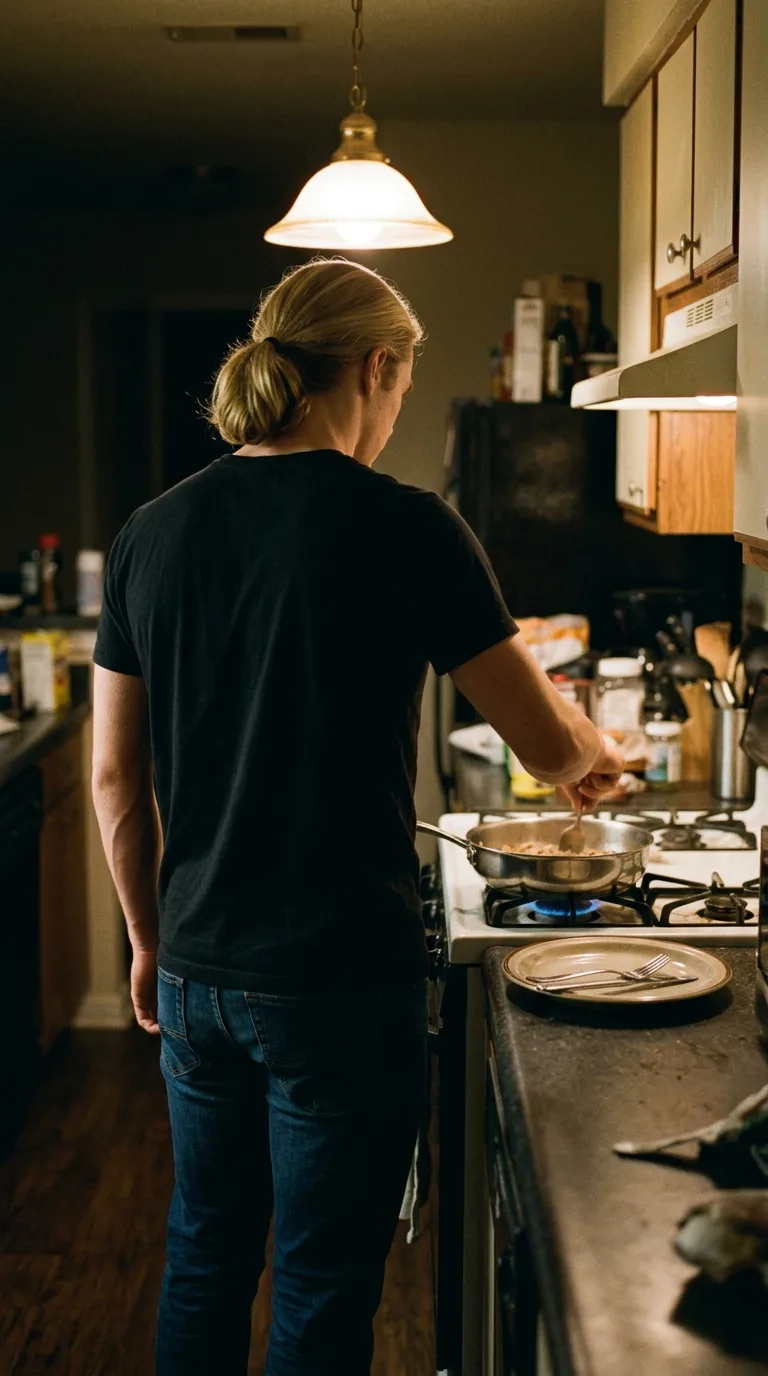
Rarest thing about him: A ponytail — rare, 1 in 102
Season 0seed 1595833840 · engine v10
Character card
lineage 2NZHHJ
His body-swap story
@colin.hasbrook, wearing Warren Getchell, rolled the wheel on and woke up as Tyler Bousquet, spent 2 minutes in him, then spun the wheel and woke up as Lucas Ferriday
You are standing in Warren Getchell's barbershop at close, broom in his hand, and the mirror across the room is the problem. Sixty-two years old in it, freckled scalp catching the fluorescent light, hazel eyes gone a little rheumy at the corners. You have had this body less than a minute and you already know its knees. You spun for a barber and you got a good one — steady hands, decades of muscle memory in them, a man who could cut hair blind — and none of that matters, because it is Monday, two in the afternoon in Coastal Maine, and the day stretches out flat and gray and smelling of Barbicide, and you are not thinking about hair at all. You are thinking that you have been sixty-two for less than a minute and already you want out of it. That is the whole reason, and it is enough: not hatred, not grief, just the small itch of a body that fits nowhere close to want. You lean the broom against the counter, take out your phone, and go to the page with the wheel on it.
It takes the pan out of his hand and puts it back in yours in the same motion — no seam, no gap, the spoon still turning. Except now it turns the other way, and that is the tell, if anyone were watching: the stir reverses, hesitates, keeps going. Steam off a skillet. Low light from a pendant lamp. A radio somewhere, or maybe just the hood fan. You are five foot nine now, not six-two, and the ceiling seems to have dropped a foot. The knees don't hurt. Nothing hurts. You salt the pan without tasting it — an old habit that isn't yours yet — and your free hand goes up into a cabinet and comes down with a second plate, and you set it beside the first one on the counter, and you do not know why you did that, not yet.
The shirt is the first thing that talks to you. Black cotton, soft from washing, and it gives you a flash of a laundromat two blocks from a dorm, quarters in a Ziploc bag, a girl leaning on the folding table laughing about something you can't hear anymore. Then it's gone and the jeans are next — dark denim, worn at the inner knee from a bike seat — and they hand you a whole morning: this morning, or one like it, pulling them on standing on one foot in a room with a window unit that never quite keeps up with Houston, phone buzzing on the nightstand with a text from Marisol that just says *don't forget the plates, ur bringing them tn* and him grinning at it half-asleep. The ponytail at your neck gives you the elastic snapping twice before it held, the annoyance of hair in his mouth during finals, his mother's hands doing it for him when he was small and couldn't reach.
You are eighteen in this skin and it is unbearable how little it costs to move. Whatever ached in the old body simply isn't here — the shoulders are loose, the spine takes weight like it's nothing, and your hand on the spoon handle already knows the exact motion for not scorching rice, learned from a father over a stove in some kitchen that isn't this one, a lesson given without much patience and absorbed anyway. Under your feet: cheap linoleum, faintly tacky, the kind that never fully dries. Behind you, the counter's edge digs into the small of your back when you lean, and it has dug there enough evenings that the body flinches slightly before contact, bracing.
The knuckles crack on their own — left hand first, then right, a tic that fires the second your mind wanders, and your mind is wandering through Tyler now like water through a house with the doors left open. A campus lawn, laptop screen too bright at noon, an essay on labor law he actually liked writing, which surprised him. A therapist's office with a fish tank and a box of tissues nobody used. The little orange pouch he keeps behind his ear sometimes, tucked under his lip other times, the mint bite of it grounding him during a lecture he wasn't following. Marisol's name arriving three separate times in the last hour of memory — dinner tonight, her plate next to his, an argument two weeks old about nothing that they'd already forgiven each other for without saying so out loud. A night, once or twice a month, where he lets himself get properly drunk with people he trusts, and always regrets the noise of the morning after more than the drinking itself.
None of it is dramatic. That's the strange sweetness of him — nothing sharp-edged, nothing you'd call a wound except the ordinary one, managed, medicated, mostly quiet. A kid doing fine. A kid who salts a pan for one person out of habit and sets down a second plate out of love, before his hands even finish deciding to.
You look down at them — his hands, blond-haired forearms, a faint white scar-less callus along the spoon-side palm — and turn them over slowly, the way you always do, the way you did with Warren's spotted knuckles not ninety seconds ago in another state entirely. The stove ticks. The rice keeps cooking without you.
"Huh," you say, out loud, to the empty kitchen, in a voice younger than any you've used in weeks. "Didn't think I'd miss the knees."
Somewhere behind that, already, faint and patient, is the wheel — not urgent, not today, maybe not for a long while. But it is there the way it is always there now, a door left open in a house you don't live in anymore.