Ronald Aldape
Fictional. Generated by AI — not a real person, and no likeness of one is intended.
61, florist in El Paso · rolled by @colin.hasbrook · card — no film
History
who has worn him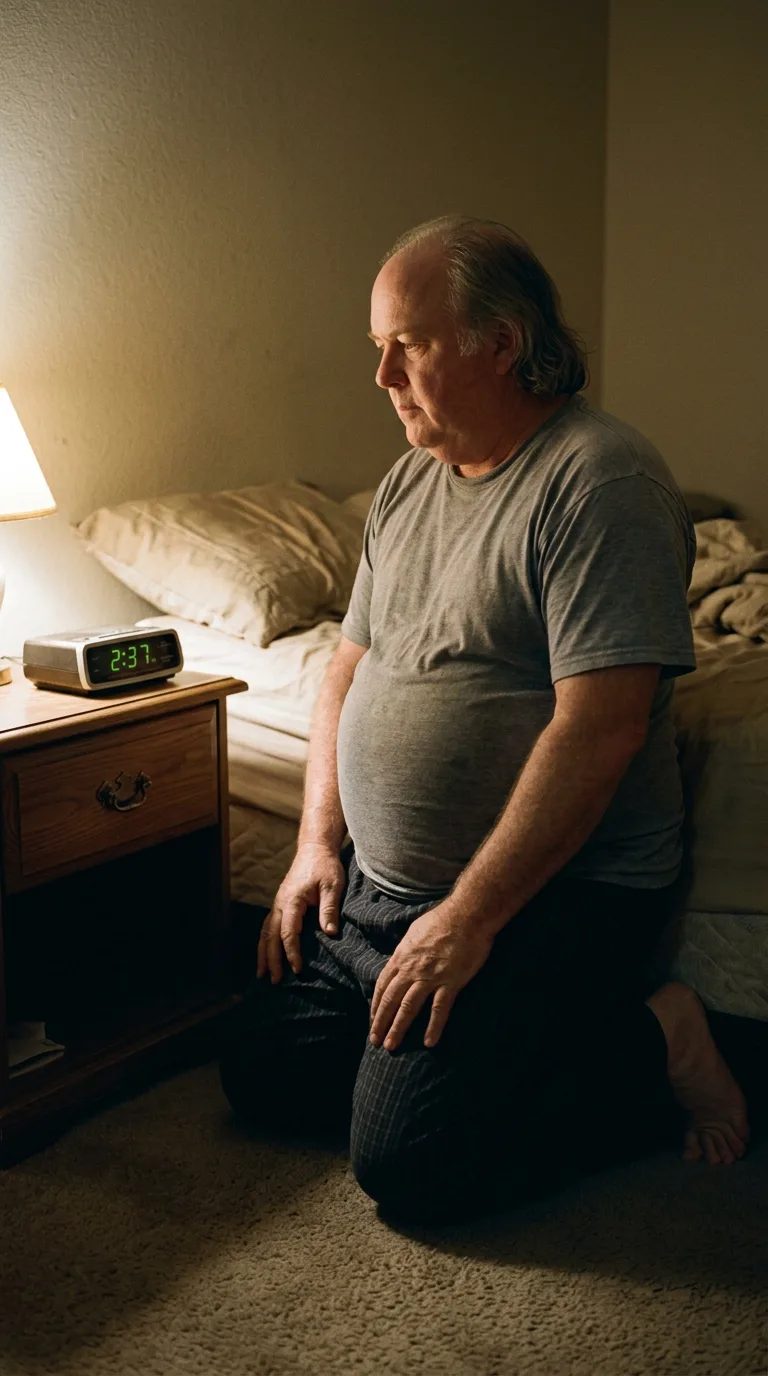
Rarest thing about him: Florist — uncommon, 1 in 87
Season 0seed 155966137 · engine v10
Character card
lineage 2NZHHJ
His body-swap story
@colin.hasbrook, wearing Wade Pemberton, rolled the wheel on and woke up as Ronald Aldape, spent under a minute in him, then spun the wheel and woke up as Marcus Delvard
Wade Pemberton has beautiful hands for dealing cards and you have hated them for forty minutes.
That's the whole of it, really — no betrayal, no crisis, just the particular boredom of watching a beauty mark on the back of a hand you've been wearing since last night, laying down blackjacks to strangers under fluorescent light in a casino that smells like carpet cleaner and other people's cigarettes even though Wade himself never smoked a day in his life. Somebody at third base keeps calling you "hoss" like he knows you. He does not know you. Nobody has ever known you, not once in four hundred and twenty-seven men, and that is not a complaint, it is just Monday, and Monday is when the itch comes back regardless of what body it finds you in. You go to the break room. You take out the phone Wade Pemberton pays for and you have never once put your name on. The wheel is already loaded from last time. You do not think about El Paso or florists or anything at all. You spin because the alternative is dealing three more hours of six-deck shoe to men who tip badly, and because thirty seconds from now you would like to be someone the itch hasn't found yet.
—
The carpet is under your knees before you know they're knees, before you know they're yours. Weight comes first, always — more of it than Wade had, settled low and comfortable, a gut resting against thighs, and the smell of a bedroom that isn't the break room, isn't anywhere you've been: fabric softener and something floral gone slightly stale, like a shop's smell worn home on a shirt. A lamp is on. A clock is red-green and says a number that means nothing yet. Your hands — his hands — are folded loose in your lap and going slack right now, mid-collapse, because somewhere in the half-second of arriving you feel the tail end of a laugh die out of a chest that was, one breath ago, standing up too early.
Forehead meets the bedspread. That part isn't your doing. That's him, or what's left of the motion he started, and you ride it down.
—
The bedspread is the first thing that gives you anything — cheap cotton, a paisley he bought at the Ross on Alameda nine years ago because his mother's quilt finally wore through at the seams, and there she is for a second, a small stooped woman snapping green stems at a sink in a kitchen that doesn't exist anymore, and gone. The t-shirt against your back is next, worn thin at the shoulder blades, and it gives you a Tuesday — hundreds of Tuesdays, actually, folded into one — him pulling it over his head at the end of a shift with baby's breath dust still on his forearms, dropping onto this same bed alone, the ceiling fan turning on its slowest setting because the electric bill scares him more than the heat does.
Your knees are on the floor and the floor gives you the shop. Not this room — the other one, the real one, three miles and one lifetime away in the tape-scarred cooler at the back of the store on Yandell, where he has stood at the same wet bench for twenty-six years cutting the diagonal ends off carnations with a rusted knife he sharpens on a stone in his back pocket. His hands know the cut before his eyes confirm it. They know rose thorns the way other men's hands know a steering wheel — stripped bare knuckle, three separate scars long since faded past counting, though none deep enough to leave a mark you'd notice, just the general toughness of forty years of stems. Diabetes lives in his feet now, a low hum of numbness at the toes he mostly ignores, and there's a memory riding in on that — a doctor's office, a pamphlet he took and never read, the particular shame of being sixty-one and still surprised by his own body.
There was a woman, once — Connie, nine years back, who liked the shop and did not like that he closed it every Sunday for church and every evening for himself, and there wasn't a fight so much as an erosion, and when she left there wasn't a hole shaped like her so much as a room that went quiet in a way he'd already half-expected. No children. No one calling tonight, or any night, to ask if he ate. He is, mostly, at peace with this, in the specific tired way of a man who decided a long time ago that peace was cheaper than wanting.
The nightstand clock is close enough now to have a memory in it too — small, recent, this morning's version of tonight: him setting the alarm for four, because the flower market runs early and the good peonies go first, and then lying awake anyway until it was easier to get up than to keep failing at sleep, and kneeling here instead out of habit more than conviction, an amen half-meant, mumbled fast because some part of him already knew he'd be up in three hours regardless and wanted to get the obligation out of the way — that's the half-laugh you rode in on, the little private joke he was having with God about his own halfheartedness, cut off mid-breath.
His body is heavy in a way that isn't unpleasant, just present — a gut that presses when he kneels, thighs that complain faintly at the position, hands thick and permanently green-stained at the nail beds no matter how he scrubs them, forearms with a farmer's tan from short sleeves in desert sun. Strong across the back from lifting buckets of water and stem all day. Tired in the knees for reasons that have nothing to do with tonight.
—
You lift your forehead off the bedspread first, slow, the way his body wants to do everything.
Then you look at your hands — his hands, green worked so deep into the creases it will never fully wash, knuckles swollen a little from cold coolers and forty years of thorns — turning the right one over like it belongs to someone you're about to be introduced to.
You lift your eyes off it, into whatever is watching, and you say, quiet, not scared, more like a man noticing the room has changed temperature:
"Guess that one didn't take."