Reuben Tolliver
Fictional. Generated by AI — not a real person, and no likeness of one is intended.
59, court reporter in Eastern Kentucky · rolled by @marco.villagrana · card — no film
History
who has worn him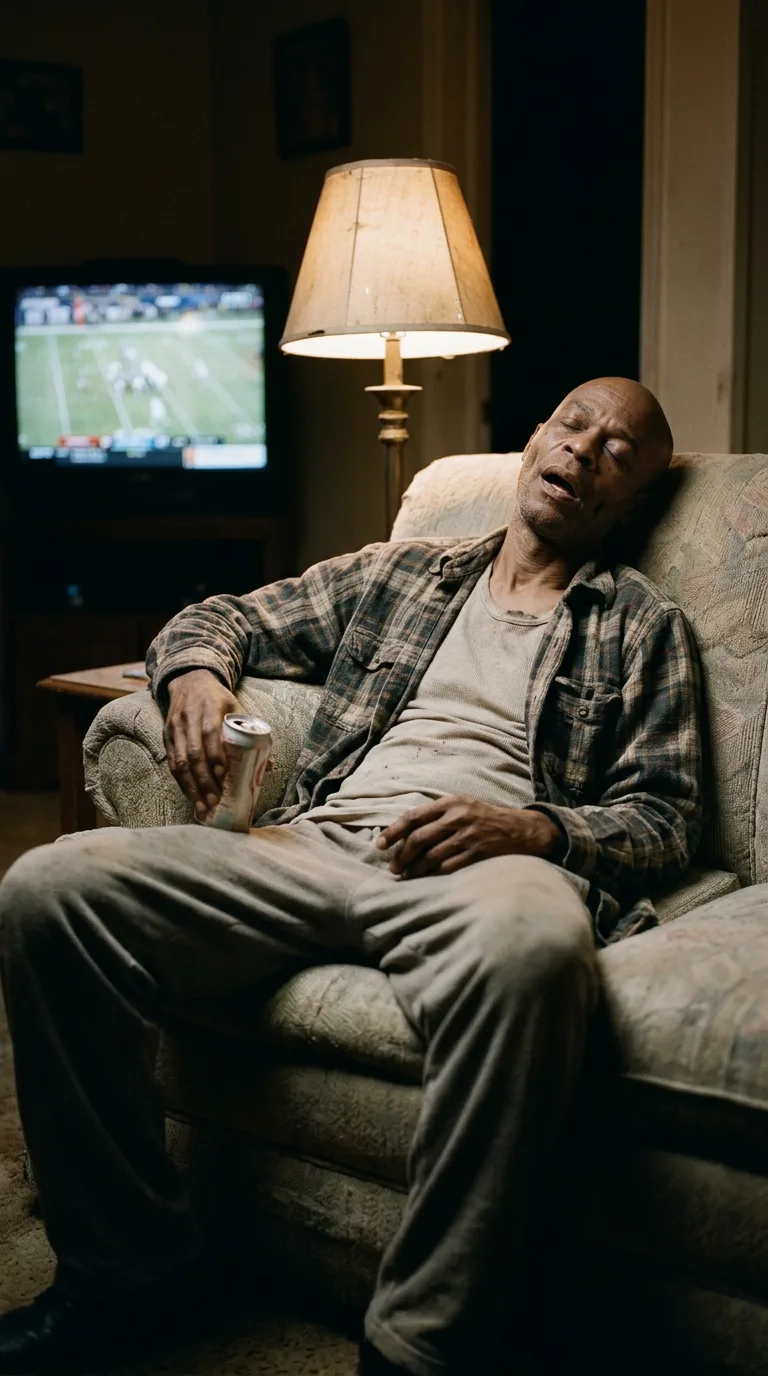
Rarest thing about him: Rich beyond the room — $10M to $50M — epic, 1 in 233
Season 0seed 1093640090 · engine v10
Character card
lineage LJL8SV
His body-swap story
@marco.villagrana, wearing Grady Halversen, rolled the wheel on and woke up as Reuben Tolliver, spent 3 minutes in him, then spun the wheel and woke up as Marcus Villagran
The line cook's line burns your wrist before it burns Grady's, because right now you are Grady, and that is the whole problem. Ticket rail full, fryer basket screaming, a sous chef half your age calling out orders like you're furniture that talks back too slow. Two minutes in this body and already you know its knees, its gap-toothed grimace, the particular ache of a Sunday double nobody wanted. Forty-one years old and every one of them in a kitchen that will still be here tomorrow whether Grady Halversen is or not. You did not come back to the wheel for him. You came back because a body like this has a ceiling, and you have felt thirty-two of them now, and the one thing that never gets old is the half-second before you don't know who you'll be.
You wipe your palm — his palm — on your apron, and off in the corner where the register is, on the little cracked-screen phone propped against a bag of onions, the wheel is already spinning, paid for on a break nobody clocked, and —
— the couch takes you differently than the line ever did: soft, busted-spring, a body heavier in the middle than Grady's, longer in the leg, gone loose in sleep the way only fifty-nine years of Sunday afternoons can go loose. Mouth open. A can warm and near-empty tilting in a loose hand. The television is throwing a replay at a man who already missed the goal once and is, this time, watching it happen with a thumb that finds the volume knob before the rest of him has caught up — some old court-reporter reflex, hands quicker than the man.
It is afternoon here. It was morning where you left. You feel that seam for one strange breath — like waking up already tired — and then the room closes over you: green light through gauze curtains, a lamp with a scorched shade, a TV console with a doily on it nobody younger than seventy would put there. Outside, past a window you can't yet turn your head to see, there's a footbridge somewhere over brown water, cable and plank, though right now that's only a fact sitting in you like a coin in a pocket, not yet spent.
The can is what opens first. Cold aluminum, warm beer — Coors, cheap, bought two six-packs at once because the store's forty minutes each way — and through the can comes a whole Sunday: this same couch, this same lamp, a Bengals game he doesn't even root for anymore but watches out of habit, because habit is what's left after you've buried a mother, watched two marriages happen to other men in your family and none to you, spent thirty years underneath a judge's bench listening to other people's disasters get typed into permanent record by your own fingers on a chorded keyboard no wider than a hymnal.
The shirt gives you more. Flannel, soft at the elbows from washing, a phantom itch at the collar where it always sits a little wrong — and there's the morning coming back sleeve by sleeve: him standing at the closet not because he had anywhere to be, it's Sunday, but because he does not own the idea of staying in pajamas, hasn't since his mother said a man dresses even for nobody. Undershirt first, worn thin and honest. Flannel over it, buttoned from the bottom up out of some old superstition. He'd stood a second with his hand flat on his own chest before leaving the bedroom, the way you do when you're the only one who'll ever check.
The dimples are not visible to you — you can't see your own face — but you can feel the shape of them, the practiced ease with which this face falls into them, in courtrooms, in grocery lines, at his sister's over Christmas, dimples that have talked bailiffs and defense attorneys and lonely church women alike into thinking Reuben Tolliver is an easy man, a soft one. He isn't soft. He is skinny in the arms and precise in the wrists, thirty years of that keyboard living in his fingers whether he wants it there or not, an ache low in the sternum tonight that is only the reflux, the beer talking back at him same as always, and underneath that ache a bank statement he does not think about while watching football, seven figures deep, money that came from a lawsuit thirty years old and a lucky uncle's timber land, money he has never once let change what he drinks or where he sits to drink it.
There is no wife in these memories, no ex who still aches, nobody's name catching in his throat. There's a woman two Thanksgivings ago he still sometimes thinks about on the drive home from the courthouse, and that's as far as any of it goes; children never happened and he stopped grieving that around fifty. What's here instead is a whole architecture of ordinary devotion: the walk to the footbridge on cooler evenings, green shade and the creek running the color of strong tea, a body that still moves easy despite the years, despite the gut that isn't there because he never let himself get soft that way either.
The can slips. Somewhere in your hand, dying foam, and the game plays its second replay of a goal he already slept through once — and you are aware, dimly, that this man just now, in his own true life, would have laughed at himself for missing it twice.
You look at your hands — his hands, spare-fingered, a callus worn into the pad of the middle finger from thirty years of a keyboard no one else on earth would recognize, knuckles darker than the backs, a warmth in them that is entirely someone else's blood pressure, someone else's decades. You turn them over once in the lamp light like you're checking they came with the rest of him.
"Missed it twice," you say, out loud, in his voice, and you don't yet know if that's a complaint or a kind of wonder.