Ramon Cardenas
Fictional. Generated by AI — not a real person, and no likeness of one is intended.
56, cop in Small-town Ohio · rolled by @ramon.cardenas · card — no film
History
who has worn him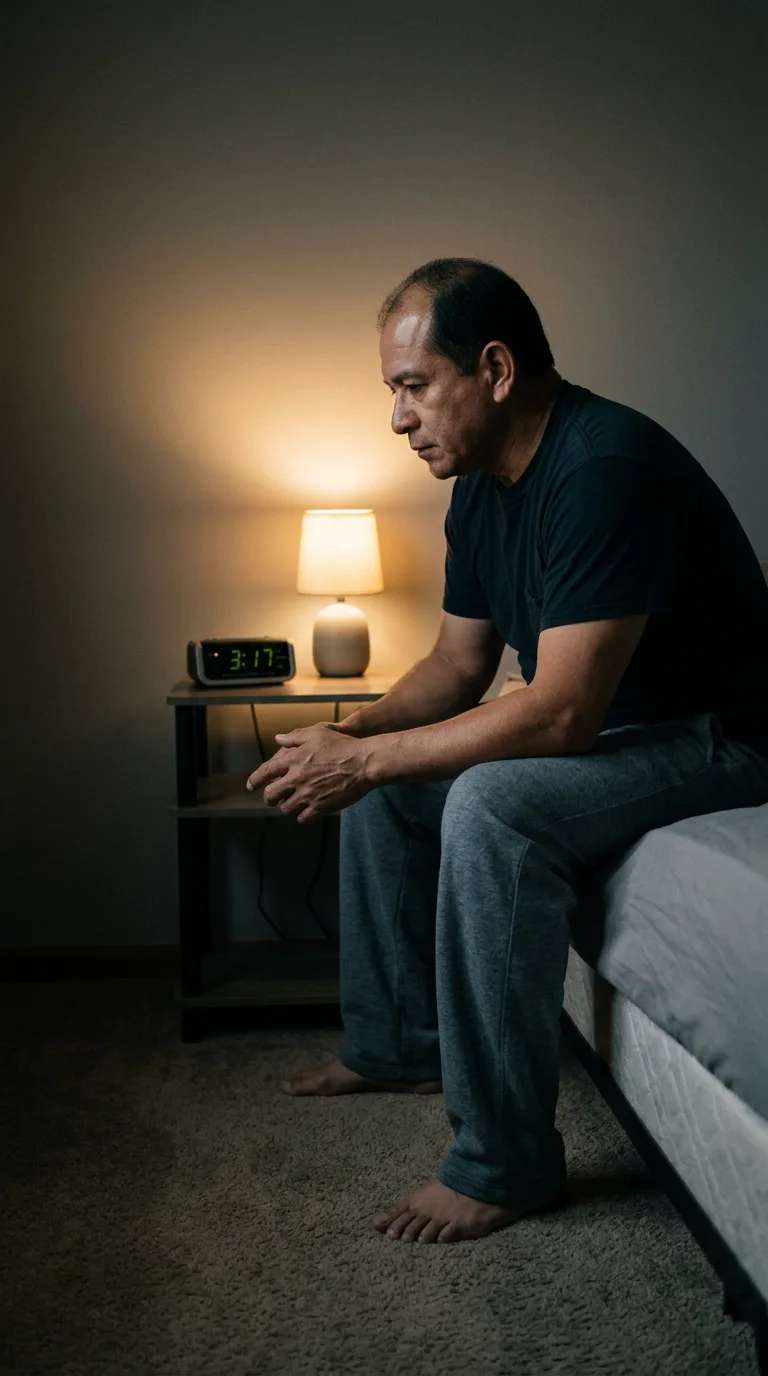
Rarest thing about him: Dyed black — epic, 1 in 57
Season 0seed 418690504 · engine v10
Character card
lineage GAM5PT
His body-swap story
@ramon.cardenas rolled the wheel on and woke up as Ramon Cardenas — their first
The evening is nothing much, which is exactly what makes it possible. Scrolling, thumb doing the work, a dull ache behind the eyes from a day that asked nothing of you and gave nothing back. You have wanted this since before you could have named it — some door in the floor of yourself, some other coat to put on — and it has always been a thing you read about at two in the morning, never a thing you could buy, until the wheel. You pay. You spin. The wheel does not ask why, which is good, because the why is old and simple and yours: you have always wanted to be someone else, just once, just to see.
It lands on 3:17 in a bedroom in Ohio.
You are already kneeling. That is the strangest part, before anything else registers — the carpet under two knees that are not decisions you made, the weight of a body settling forward onto a bed's edge that was mid-collapse into calm. His hands are folded, loose, out of habit rather than fervor, and his eyes are open on a clock that reads a number you did not choose to look at. Amen comes early and half-laughing in his own throat — you feel the laugh start before you own the mouth that would have carried it — and the rise begins, weight shifting up through the knees —
— and stops. Comes back down. Both knees, forehead to the bedspread, and the smile goes out like a pinched wick.
The shirt is against your back first — hangs damp with the day even now, and it opens like a door: a locker room years back, younger hands buttoning this same collar pattern, a sergeant's voice saying something that isn't unkind, just tired. Then the bedspread under your forehead gives up the smell of the detergent his ex-girlfriend bought in bulk and left half a case of when she went, and there she is, whole, laughing once in a kitchen that isn't this house, and then gone from it the way she is gone from all of it now — a door that closed on schedule, no drama, just erosion. You feel that in his chest like a bruise pressed from the inside: not agony, just a tender place he's stopped mentioning.
The knees know the carpet. Forty years of standing shifts in the cold, weight favoring the left hip a little without being asked, a lower back that has opinions about long nights leaned against a cruiser door in a gravel lot while the light goes purple and nothing happens, which is most nights, which is the job. His hands — thick through the palm, a callus at the base of the trigger finger that isn't from anything dramatic, just repetition, just the range twice a month for twenty years — remember a hundred small competencies without being told: seatbelts, radio mic keyed one-handed, a pen clicked out of a shirt pocket in the same motion every time.
Two kids arrive with the smell of his own cologne, ghosted off a shirt collar hung in the closet behind you — a boy's graduation, a girl's voice on the phone last week, careful with him the way grown children get careful with a father living alone in a house that used to hold more than this. The prayer itself comes back last and smallest: not a big faith, not a performance, just a thing his mother did and so he does, mumbled fast most nights, sometimes not finished, tonight almost skipped entirely because the mattress looked good and the day was long — and then some old reflex of guilt turned him back around onto his knees for the last of it, the half-laugh at his own churchless churchgoing, *alright, alright, amen* —
Your forehead is still on the bedspread. His body is small around you — five-six, easy to underestimate, all of it economical, nothing wasted, the hairline gone thin at the crown in a way his hand checks without meaning to some mornings in the bathroom mirror. Nothing hurts exactly. Everything is fifty-six.
You lift up onto your knees, then your feet, slow, the hip complaining the way it always does. You bring your hands up in front of your face — his hands, brown and creased, a white ghost-line at the base of the ring finger that isn't a ring, just an old tan-line memory of one — and you turn them over like they might not hold still.
"Okay," you say, out loud, to the empty room, in his voice, which is not a voice you recognize as belonging to you and will, for as long as this lasts, be the only one you have. "Okay. Yeah."
Somewhere behind that, small and already fading, is the wheel, and the fact that nothing says how long this is for.