Peter Anselm
Fictional. Generated by AI — not a real person, and no likeness of one is intended.
34, help desk technician in Seattle · rolled by @colin.hasbrook · card — no film
History
who has worn him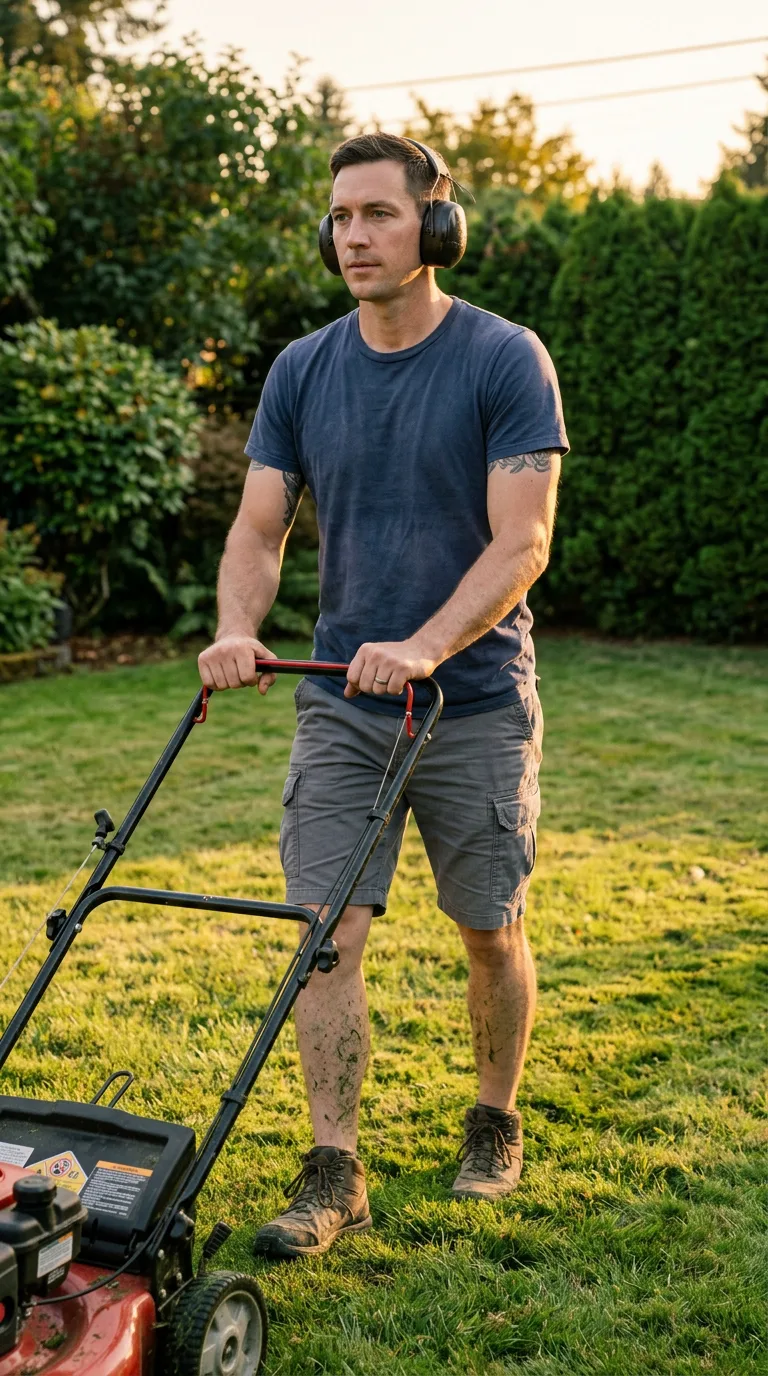
Rarest thing about him: Mowing the lawn — common, 1 in 57
Season 1seed 496352372 · engine v11
Character card
lineage 2NZHHJ
His body-swap story
@colin.hasbrook, wearing Danny Reyes, rolled the wheel on and woke up as Peter Anselm, spent under a minute in him, then spun the wheel and woke up as Sanjay Anselm
You are eighteen years old and your nose has been broken and reset badly and every muscle in this borrowed back is on fire from a day of pouring concrete, and you have been Danny Reyes for four minutes and you already hate it — the ringing in the ears from a jobsite radio, the ache that starts in the shoulders and doesn't stop, the taste of dust that never quite leaves the mouth. You sat down on an overturned bucket in the yellow late light of a Nashville evening, still in his boots, and thought: not this one, not tonight. Some spins you keep for months out of curiosity or comfort. This one you keep for four minutes out of manners, because it would feel obscene to spin again before the engine on the cement mixer even cooled. Then you stop feeling obscene about it. You pull out the phone that isn't yours, open the site that is, and put your thumb — his thumb, aching, blistered — on the wheel.
The wheel turns and there is no falling and no floating, only a seam, and on the other side of it your hands are already moving.
They are on a mower's bar, gripping red rubber, and the engine has just missed a beat and caught again, and you feel that catch in your own chest like a hiccup you didn't take. Grass clippings are stuck wet to shins that are not the shins you had a second ago — no ache in them, no dust in the throat, just a clean tiredness, sun-warm, the good kind. One ear is cold where a muff has slipped off it. Before you've decided anything at all, the hand nearest that ear rises and sets the muff back down over it, unhurried, like this has happened a hundred times and will happen a hundred more. You did not do that on purpose. Something in the arm did it for you, out of habit, before you had caught up to owning the arm.
The mower keeps rolling. The next pass runs dead straight, past a half dozen crooked ones, and you don't know yet that straight is not how you've been doing it, only that straight is what the hands want.
Then the shirt against your back tells you something. Cotton, a green too dark for the light it's in, a collar that's been ironed enough times to have its own opinion about where it sits. It comes with a hallway smell, coffee and printer toner, and a voice saying *conference room B, they can't get the projector to talk to the laptop again* — and you are, for a half-second, kneeling under a desk with a cable in your teeth, forearms scraped pink on carpet tile, thinking about nothing except the small clean satisfaction of a green light turning on. Peter Anselm. The name arrives with the memory the way names do, already known, never announced. He likes the crawling-under-desks part more than he'd admit at a barbecue. He likes fixing what's broken and not being thanked for it.
The mower's grip is next, red rubber worn smooth in two spots exactly where his palms are now, and it gives you a whole spring of Saturdays — the smell of gas and cut grass, a girl three doors down years and years ago who used to sit on her porch step and watch him mow with a book open on her knees she never once turned a page of. Claire. You get her name before you get anything else about her, the way it happens with the ones that matter and never quite left. Nothing happened between them, that's the ache of it — nothing ever happened, and now she is married to somebody in Portland and he thinks about her exactly as often as he lets himself, which is not often, which is often enough.
The grass under the boots gives you the morning: he'd stood on this same lawn at seven with coffee going cold on the porch rail, watching his daughter's bike lean crooked against the fence, deciding the mowing could wait until the heat broke toward evening. It had. Here he is.
The shirt on his back — blue, thin, softened by a hundred washes — remembers itself going on this morning too, pulled over his head in a bedroom with the blinds half down, his wife already gone to work, the closet door catching on the carpet the way it's caught for six years and he keeps meaning to plane it down. A band of gold on the left hand remembers a service, a hymn nobody sang loud enough, her hand shaking a little more than his. He does not smoke standing here. He will, tonight, maybe, if someone opens a beer on the porch once the grass is down and the light's gone violet over the fence line — the want for it is already sitting low and easy in the chest, waiting on an evening that hasn't happened yet.
The jaw is tight. It's tight the way it always is, clenched around nothing in particular, some low hum of a Thursday that has nothing wrong in it and never quite lets go anyway.
You stand there in all of it — thirty-four years old, dead sober, wearing a life built plain and comfortable and entirely unremarkable, a man who mows his own lawn on a schedule he keeps in his head — and for once you are not already counting the minutes.
You look down. The hands on the bar are broader than the ones you had four minutes and eight hundred lives ago, a plain gold ring catching the last orange light, grass stain worked into the crease of one knuckle. You turn the right one over, palm up, like you could read something there.
Then you lift your eyes off it, out past the crooked rows into the low sun, and you say, to no one, in a voice you didn't choose and already like better than the last one:
"Straight enough."