Paul Ostrowski
Fictional. Generated by AI — not a real person, and no likeness of one is intended.
43, groundskeeper in Boston · rolled by @colin.hasbrook · card — no film
History
who has worn him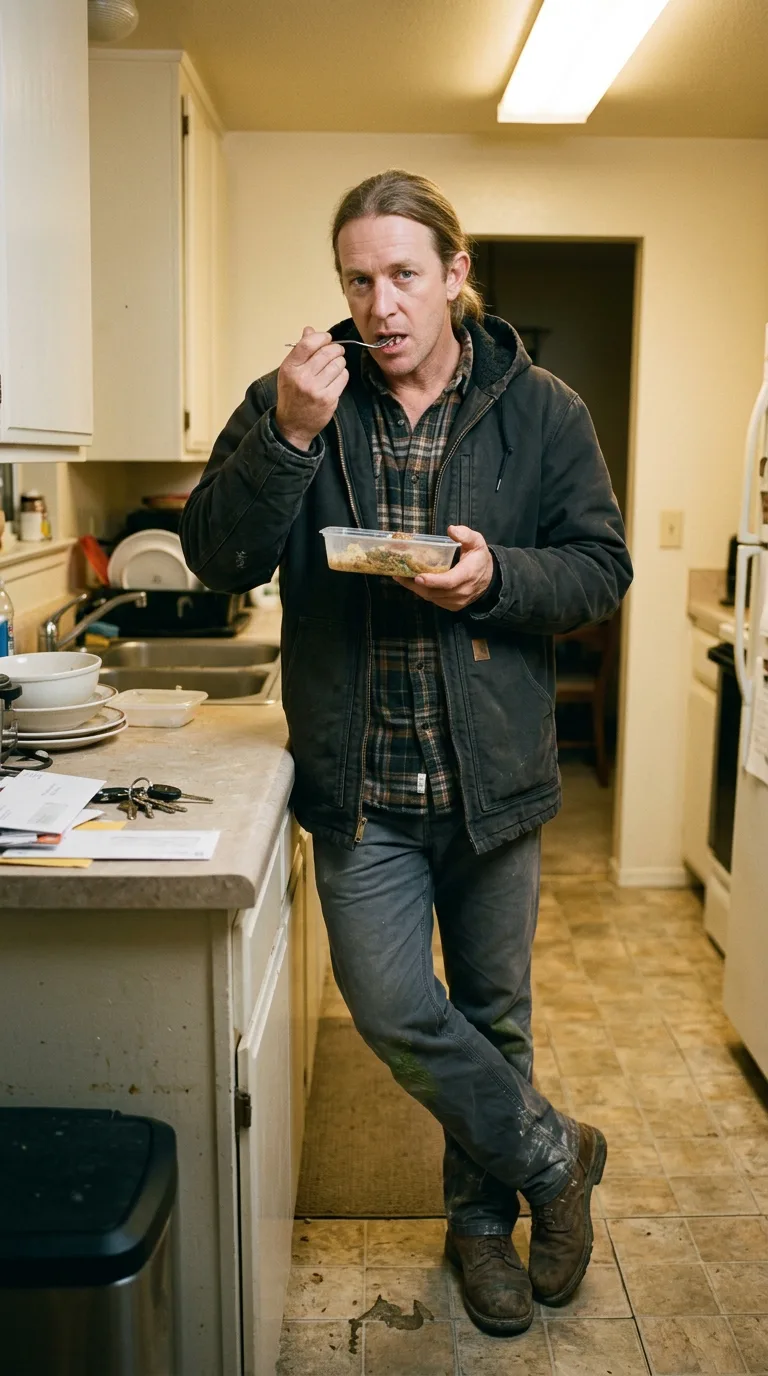
Rarest thing about him: Big night once or twice a month — epic, 1 in 117
Season 0seed 436422511 · engine v10
Character card
lineage 2NZHHJ
His body-swap story
@colin.hasbrook, wearing Danny Kessler, rolled the wheel on and woke up as Paul Ostrowski, spent under a minute in him, then spun the wheel and woke up as Roy Ansley
Danny Kessler's dimples are still on your face when you decide, at two in the morning in a dark Philadelphia bedroom nobody else is awake to see, that you don't want them anymore. Twenty-eight, blond, built like something you'd hang a medal on — and it should have felt like winning, except three minutes in you already know: this one has no memories worth having. Danny's head is empty of anything you want. You spun for youth and got a man who peaked at nineteen and never noticed. So you sit up in his bed, in his gray eyes, feeling his strong dumb heart beat, and you open the site again on his phone with his own thick thumb, and the wheel spins, and it lands on a man you already know — because six minutes ago, for three minutes, you were Sione Taufa, and this is the coworker Sione complained about, the groundskeeper mechanic guy from some offseason job he had before flight school, the one Sione said was "fine, just — Mormon-quiet, you know, watches you eat meat like it's a hobby of yours." You remember not liking him through borrowed irritation. That's reason enough. You want to know him from this side.
The fork stops an inch from your mouth. Comes back down. Sets itself on the counter, and it isn't your decision, exactly — his hand is already doing it, his arm hanging heavier than Danny's ever hung, forty-three years of ordinary wear where there used to be muscle with a purpose. You shrug the coat off your shoulders — his shoulders — and the motion is so practiced your body does it before you do, dropping the canvas jacket onto a chair back it has found ten thousand times in the dark. You sit. You eat the rest of the container in even mouthful spoons, looking at nothing in the black window over the sink, and for a second you are only weight and hunger and the low hum of a refrigerator, nobody home.
Then the shirt gives you your first true thing: chambray, soft from washing, buttons done up sleeve by sleeve this morning in a cold bedroom with the storm door banging downstairs — the specific ache of getting dressed with joints that don't want to, wrists that swell some mornings for no reason a doctor's ever nailed down, an autoimmune thing he doesn't talk about, doesn't drink over, doesn't smoke over, just takes the pills and rolls his sleeves anyway because the mower doesn't care. The boots by the door — you feel their weight before you're even standing again — carry the field: the smell of cut grass gone sweet and rotten in the tread, the particular pride of stripes laid dead straight down an empty diamond at dawn, nobody there to see them but him, which is somehow the whole point. Church on Sunday, a folding chair, a bishop who asks after his knee. A recent ex — Carrie — her toothbrush gone from the cup above the sink two months now, and the space where it stood still catching his eye some mornings like a missing tooth. No kids. A ring he never bought her because she left before he got there.
The counter under your palm gives you the coworkers at the last job, joking about the tall Anchorage pilot kid who used to fly up for a groundskeeping gig on his off-weeks, some favor to an uncle, cash work, gone now — and under that memory is a small flat dislike you recognize as entirely his: the kid used to leave his tools out in the wet, never apologized right. You were that kid, six minutes ago and eleven hundred miles from here in every way that matters, and now you're standing in the body of a man who thought you were careless. It sits strange and a little funny in your chest, which is his chest, gone slack now with the container empty in his hand.
You look down.
At the fork. At the hand around it — knuckles thick, a burn scar's absence you notice because you were braced for one and there isn't one, just plain skin, plain work, plain forty-three years nobody bothered to mark up. You turn the hand over like it might have come with instructions.
"Guess I owe you an apology," you say to the window, to the dark yard, to nobody, in a voice that isn't Danny's and isn't yours and is entirely, for now, his.