Osvaldo Reyna
Fictional. Generated by AI — not a real person, and no likeness of one is intended.
63, retired in New York · rolled by @colin.hasbrook · card — no film
History
who has worn him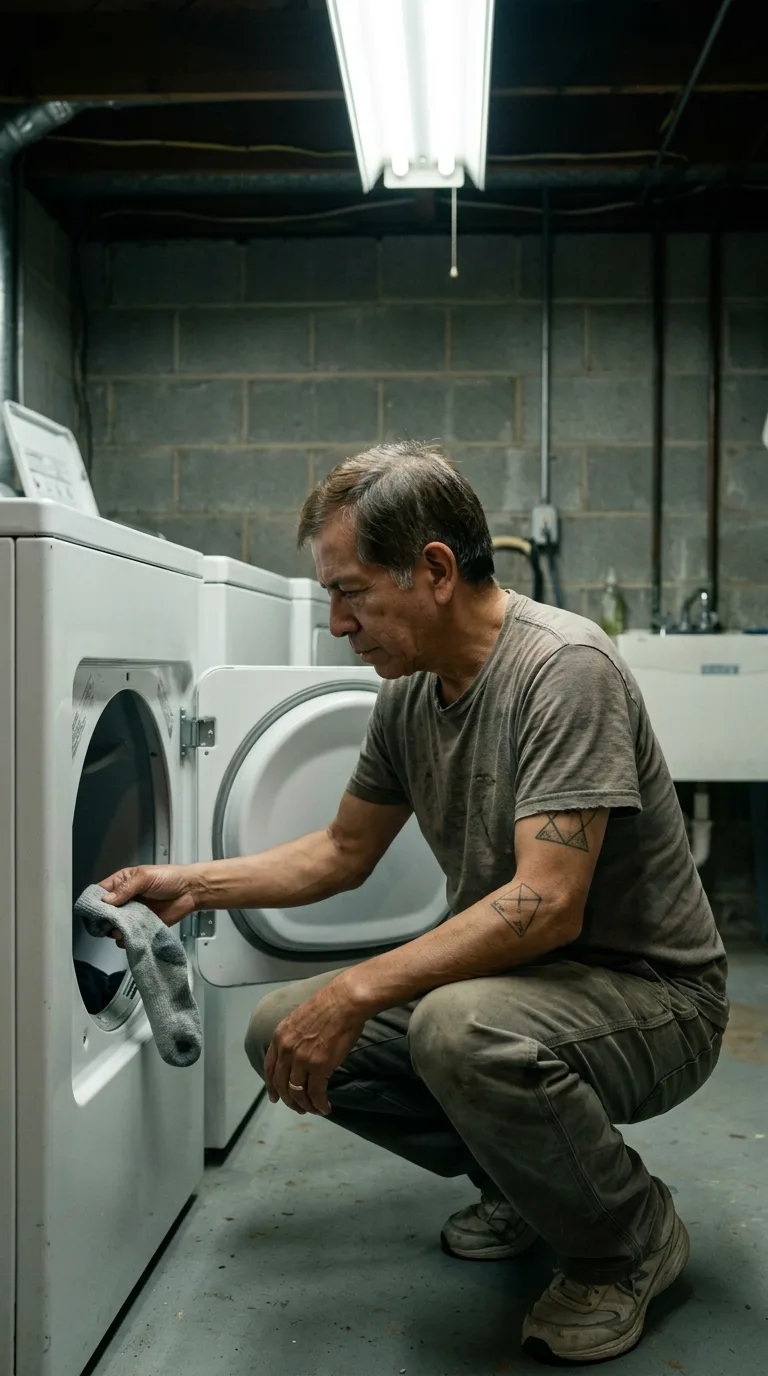
Rarest thing about him: One, upper arm — rare, 1 in 21
Season 0seed 1288233027 · engine v10
Character card
lineage 2NZHHJ
His body-swap story
@colin.hasbrook, wearing Dominic Castellano, rolled the wheel on and woke up as Osvaldo Reyna, spent under a minute in him, then spun the wheel and woke up as Kevin Cho
The classroom has been empty for three hours and you are still standing in it, chalk dust on Dominic Castellano's knuckles, and you cannot say what is wrong except that everything is right. Papers graded. Lesson plan for tomorrow already squared away in a folder labeled with tomorrow's date. Twenty-one years old in this body, six-two, muscular, a whole life of mornings still owed to it, and none of that is the problem. The problem is that you know this feeling by now — four hundred spins deep, the itch that comes not from misery but from the room going quiet enough to hear it. You did not become a teacher because you wanted to be one. You became one because the wheel put you here, and being him for going on a minute now has already told you everything he is going to be. Competent. Kind, probably. Boring, the way a sturdy house is boring. You wipe the chalk on your slacks — his slacks — and you take out your phone and you open the page with the wheel on it, the way you have four hundred times before, because the only thing you have ever really wanted is to not be finished yet.
You pay. You spin.
You are crouched. That is the first thing — knees bent, weight low, a sock damp-warm in your fingers, fluorescent light buzzing thin and white overhead like a held note. Concrete floor under sneakers that are not the sneakers you left in. The dryer drum in front of you smells like fabric softener and hot lint. Your body is small now, compact, light in a way that surprises you after the size of the one you just stepped out of — narrower shoulders, a spine that curves forward automatically, like it has done this ten thousand times and expects to do it ten thousand more.
You pull the load out warm. It falls into the basket in your arms almost by itself, and your hands — his hands — are already sorting before you've told them to: towels here, undershirts there, the sock's mate found in the tangle without looking. There is a basement smell, cinderblock and old pipe-water, and a hum in the light fixture that has been going since before you arrived and doesn't care that anything has changed.
The shirt on your back gives you the first flash — not clothes yet, this shirt, gray-brown and thin at the collar, and with it a kitchen upstairs, early, the window still blue-dark, and a woman's voice saying *you're not wearing that to Mass* though this isn't Sunday, this is just wash day, and the joke of it, hers, worn smooth by thirty years of being made. Elena. The name arrives whole, the way names do when they've been said ten thousand times. You feel, underneath your ribs, the specific weight of missing nobody — she is upstairs right now, folding nothing, waiting on you to bring the basket up so she can find fault with the folding anyway, gently, the way she always does.
The tattoo on your arm answers next, geometric lines under the short sleeve, and it opens onto a boardwalk somewhere with salt in the air, twenty-six years old and broke and sure that a small permanent thing was the only thing he could afford to be sure of. He never told anyone what it meant. It didn't mean anything. That was the point — a mark he chose instead of one that got handed to him.
The wedding band is colder than the rest of him and it opens the widest door of all: a courthouse, not a church, because money was already tight then too, and Elena's hand shaking when she signed, and forty-one years falling away underneath that one page like it was nothing, like it was everything. One child. A daughter, grown now, living far enough away that phone calls are the whole shape of the relationship, close enough that she still calls. He is proud of her in a way that has never once needed saying out loud.
Your knees ache, kneeling this long — sixty-three years of knees, not twenty-one — and there's a dull pressure behind your eyes that you recognize distantly as blood pressure, a pill on the counter upstairs he's already taken today. Your jaw works without you asking it to: gum, flavor long gone, chewed out of habit and not hunger. Nicotine never got its hooks in him and he was always a little smug about that at parties where everyone else stepped outside.
The folding that follows is fast and exact — corners squared, seams matched, a competence that surprises you because it was never asked for, just there, thirty years of doing this for a house that needed doing. Nothing like the mess you left in a drawer somewhere in a body that isn't yours anymore.
You look at your hands. Small, brown, a thin gold band catching the fluorescent light, a fold of terrycloth still caught between two fingers.
"Hijo de," you say, soft, not even a curse, just a habit of breath — and you look up into the light like it might answer you, and it doesn't, and somewhere upstairs a woman who has waited on you for thirty years is waiting on you now.