Marvin Detrick
Fictional. Generated by AI — not a real person, and no likeness of one is intended.
59, sleeping car attendant in Chicago · rolled by @colin.hasbrook · card — no film
History
who has worn him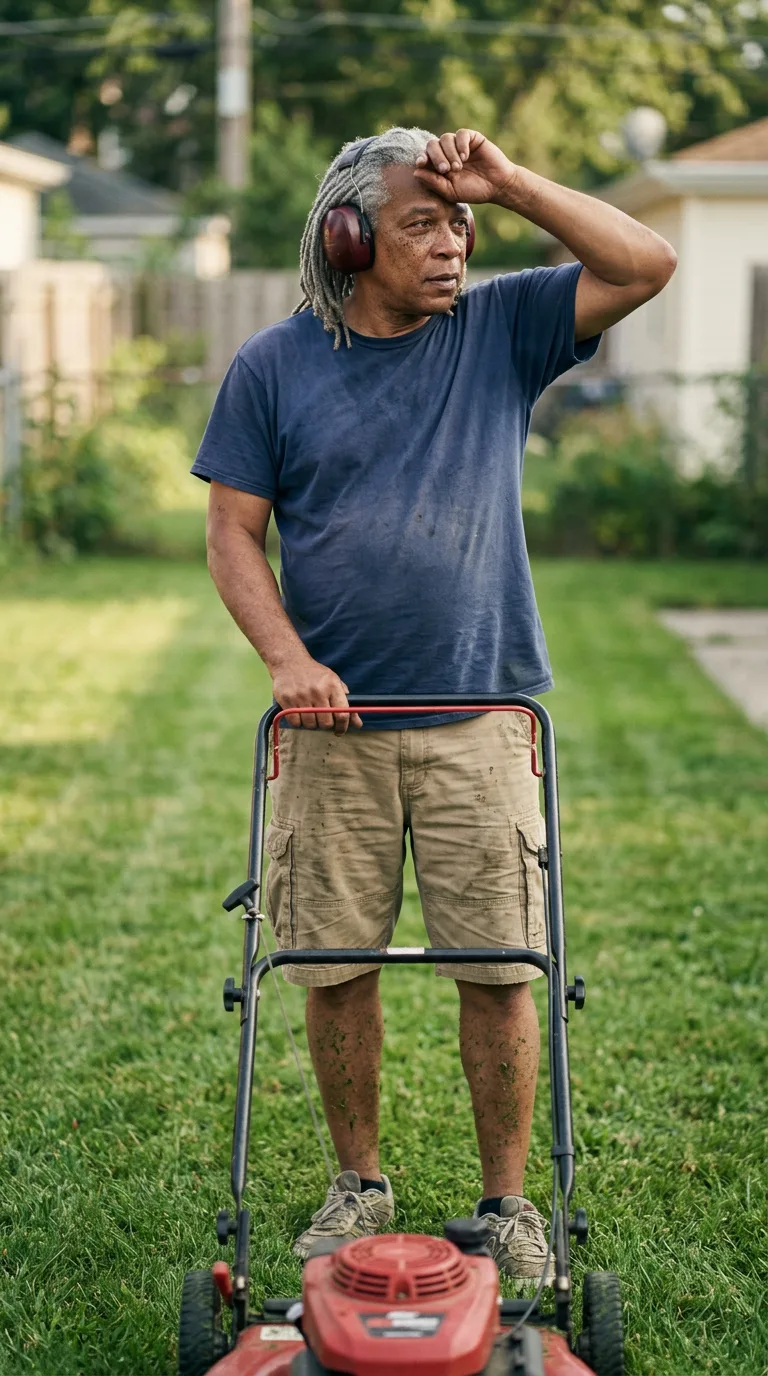
Rarest thing about him: Mowing the lawn — epic, 1 in 302
Season 0seed 1270510526 · engine v10
Character card
lineage 2NZHHJ
His body-swap story
@colin.hasbrook, wearing Corey Malinowski, rolled the wheel on and woke up as Marvin Detrick, spent under a minute in him, then spun the wheel and woke up as Rick Alvarado
The cauliflower ear itches worse in this heat, and that's the thing that finally does it — not boredom exactly, though there's plenty of that, standing backstage in a black box theater in Boston with two hours to kill before a load-in nobody needs a fifth body for. You've been this stagehand a week. Blond, short, built like a keg, a ridged ear from some wrestling season decades before you arrived in him, and hands that know rope and counterweight and nothing else interesting. You spun into a man who is fine. Fine is the whole problem. You've had a hundred and eighty-eight men and this one does his job and goes home and there's a particular flavor of afternoon — sun coming sideways through a fire door propped with a sandbag, dust turning in it — where fine starts to feel like a waiting room. You take out the phone that isn't yours, on a break that isn't yours, and you go to the page with the wheel on it, because there is always a next one and you have never once made yourself wait for a reason.
You spin. It catches the way it always catches, a little hitch like a needle finding a groove, and then there is grass.
Cut grass, specifically, damp against shins that are not the shins you had a second ago — bigger, softer, gray hair at the corners of your vision swinging in locs you can feel rather than see. Your hands are on a bar, and the bar is vibrating, and an engine under your palms drops a note, chokes, catches again. The push mower keeps rolling. One ear is cold — the muff knocked loose — and without deciding to you reach up and set it back over the ear, unhurried, the way a body does a thing it has done four thousand times without asking permission from whoever's home. The next pass runs dead straight. You can feel, before you know why, that every row behind you is a little crooked, and this one isn't, and something in the chest is briefly, absurdly proud of that.
The shirt is the first door. Cotton gone soft, a smear of grass at the hem, and putting it on this morning comes back sleeve by sleeve — an elbow that clicks going through the armhole, the smell of fabric softener his daughter buys him because she says the store brand makes his skin dry, a bathroom mirror with a crack in the corner he keeps meaning to replace and never will because Denise liked that mirror, picked it out, and some part of a man doesn't throw away the last thing his wife touched just because it's damaged. Denise. The name arrives with a whole weather system behind it — eleven years gone now, a hospital room, holding a hand that had gotten so light, and after, the particular quiet of a house built for two people down to one plus a grown daughter who calls on Sundays. The ring is still on the hand gripping the mower bar. You feel its weight there like a second pulse. He never took it off. Never even considered it, the thought didn't have a shape.
The bar under your palms knows more than the shirt does. Thirty-one years of a different bar — the fold-down berth latch in car 4, the particular give of a compartment door on the Empire Builder, the hush he drops his voice into after midnight going down the corridor with the lights turned to their blue night setting, knocking soft on doors at the right stops, the whole rocking dark of the train underneath everything he does for a living. He loves the hour after the last passenger settles and before the porter's fatigue sets in — the country going by black and enormous outside the window, him the only one awake in a hundred feet of steel, coffee gone cold in a paper cup, his daughter's photo in his wallet from when she was eight, gap-toothed, now thirty and a nurse in Milwaukee who worries about his blood pressure and is right to. The leg starts bouncing the second his mind has nothing to hold it — it's bouncing now, knee going against nothing, an old tic from thirty years of trying not to smoke on his breaks and never quite killing the need for his body to be doing something.
Grass under the sneakers, real ground, real Monday — a day off between runs, the lawn overgrown because the trip before this one ran long. Sweat under a shirt he'll have to wring out. Freckles across a nose that his mother had too, that his daughter has, a whole line of them going back further than anyone bothered writing down. No drink in him for eleven years, no cigarette in twenty, and both absences sit in this body like scar tissue that stopped hurting so long ago he forgot it was ever a wound. High blood pressure ticking somewhere behind the sternum, quiet, patient, the reason his daughter calls on Sundays and asks if he's taking the pills, and he always says yes, and today, this exact damp-grass minute, he actually is.
You look down at the hand on the bar. Wide knuckles, ring worn thin at the band, grass clippings drying to the hair on the forearm. Not the hand you had this morning. You turn it over once, like checking it arrived undamaged, and somewhere behind the ribs the old widower's ache is already yours to carry now, uninvited, permanent-feeling in the way none of them ever actually are.
You lift your eyes off the hand and out toward the fence line, toward nothing, toward the lens that isn't there yet but the words come out anyway, quiet, just to hear this voice do it:
"Whose lawn was I finishing."