Martin Salcedo
Fictional. Generated by AI — not a real person, and no likeness of one is intended.
53, florist in Philadelphia · rolled by @colin.hasbrook · card — no film
History
who has worn him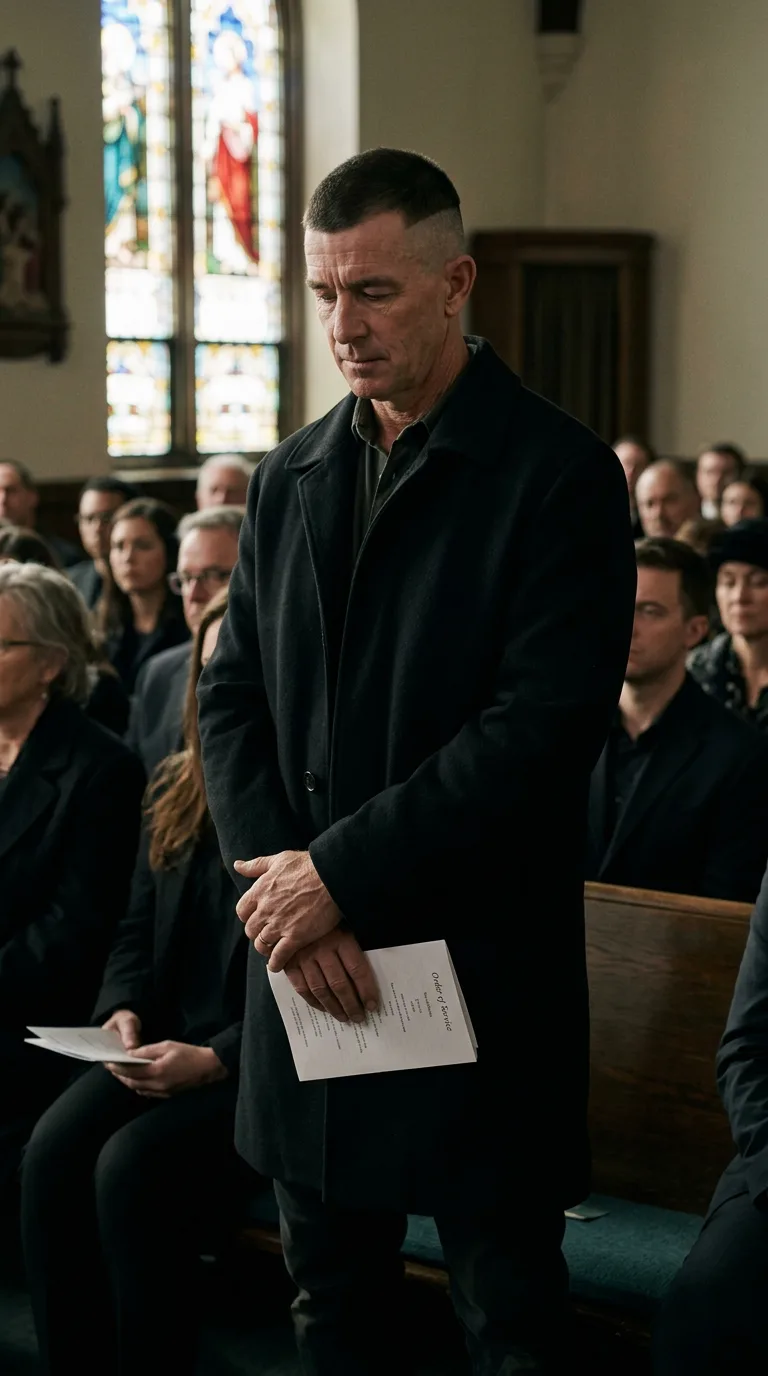
Rarest thing about him: Gay — epic, 1 in 40
Season 0seed 489505515 · engine v10
Character card
lineage 2NZHHJ
His body-swap story
@colin.hasbrook, wearing Roy Ansley, rolled the wheel on and woke up as Martin Salcedo, spent under a minute in him, then spun the wheel and woke up as Eugene Matsuo
Roy Ansley's knees ache from a floor that isn't marble, isn't anything but cracked linoleum in a diner that closed six hours ago, and you are so tired of being him you could scream into the fry vent. Fifty-five years old, skinny fat, waiting tables on a body that carries its weight wrong, black hair thinning at the crown, green eyes that see everything in this Eastern Kentucky town and want none of it. You have been Roy for less than a minute of his life, decided you're done with him for reasons that were never really about Roy at all — some restlessness that lives under whatever skin you're in — and you go back to the site glowing on the cracked phone screen at 2 a.m. on a Tuesday nobody else is awake to see. The wheel spins the way it always spins. It does not ask permission. It never has.
The organ stops.
You come up a half-beat behind the room, your knees unbending before you've decided to unbend them, weight settling onto legs that are not thick and not soft, a body already rising out of a pew with the practiced economy of a man who has been to more funerals than he can count and knows exactly how to stand at one. Cold air against a jaw closer to the skin at the neck. A folded paper in your hand. Wool coat heavy on shoulders narrower than Roy's, tighter, a coat that was tailored for someone and fits.
Nobody turns around. That's the mercy and the strangeness of it — a chapel full of black coats standing in unison and not one of them looking back to see that the man in the fourth row from the back just became someone else.
The order of service is warm from his hand, and it comes first: a name printed on the front — not this man's, somebody older, an aunt maybe, Deirdre — and under your fingers, on the cheap matte paper, a flash of a kitchen decades gone, a woman laughing with flour on her wrist, gone as fast as it comes. Then the coat. The coat is his brother-in-law's, borrowed this morning because his own good coat is at the cleaner's, and the memory of the phone call — *just take mine, Marty, it's not doing anything hanging in my closet* — sits warm at the collar. His name arrives with it, easy, the way a man's own name always does: Martin. Martin Salcedo.
The shirt against your back is what opens the rest, because the shirt is his, buttoned by his own hands nine hours ago in a bedroom with the shade still down, careful not to wake anyone though there was no one to wake, his husband already downstairs making coffee neither of them needed this early. Robert. The name comes with the smell of the coffee, with a hand passing him a black tie without being asked because Robert always knows before he does. Twenty-two years married, eleven of them legal, and it had never once occurred to him that this was strange, standing in this exact church a decade ago in a different suit promising a different kind of forever.
The wedding band is a small cold weight on the fourth finger of a hand that flexes on its own now, a habit older than thinking, and it brings back the flower shop before anything else does — thorns worked slick between calloused fingers, the wet bench at six in the morning, buckets of stems crowding a floor that always needs sweeping, the particular ache low in the wrist that thirty years of stripping stems puts there. He built that shop out of nothing. He is fifty-three and his back still holds the bend of leaning over roses eight hours a day, and it holds up fine, better than fine, an athletic frame kept honest by work rather than a gym. Two kids raised half in that shop's back room, doing homework on upturned buckets — a memory arrives whole, unbidden, a school project glued together with floral tape because it was what was on hand, and the laugh that came out of him at the sight of it. His faith comes quiet and folded, the same way it's folded into this paper in his hand: Mass most Sundays, a rosary in the truck's glovebox, no drama in it, no crisis, just a thing that was always there like the shop was always there. He has never had a drink in his life and does not miss what he never wanted. The burn behind his sternum right now, low and familiar, is only the reflux, worse in a stiff collar, worse standing this straight this long.
Whoever is in the box at the front of this church, he loved them. That grief is the last thing to arrive, heaviest, unbidden and entirely his: an uncle who taught him to garden before he knew what a florist was, hands over small hands in dirt forty years gone, and under it, quieter, the specific ache of realizing he is the only one of that branch of the family left standing in this pew.
Your fingers — his fingers — find the edge of the paper and drum against it without you asking them to, three beats, the thing his hands do when there's nothing else for them, and you look down at his hand doing it like it belongs to somebody you're about to meet.
Then you lift your eyes off the paper into the front pew, past the backs of heads that never turned, and you say, low, just for the coat and the collar and whoever might be listening:
"Not yet, Bobby. I'm not ready yet."
You do not know what it means. He would have.