Marcus Whitlow
Fictional. Generated by AI — not a real person, and no likeness of one is intended.
40, therapist in Anchorage · rolled by @owen.prescott · card — no film
History
who has worn him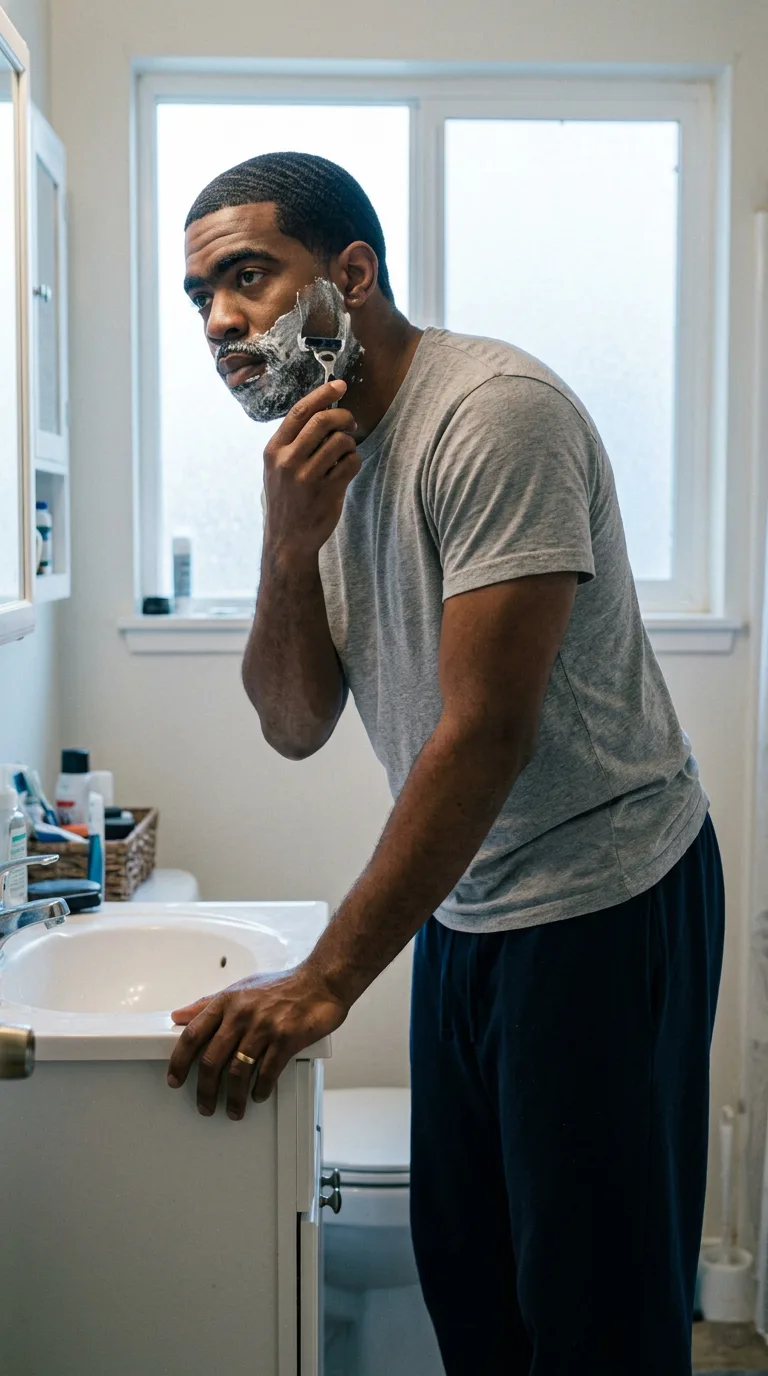
Rarest thing about him: Therapist — uncommon, 1 in 717
Season 1seed 841533809 · engine v11
Character card
lineage 5OR92V
His body-swap story
@owen.prescott, wearing Kenji Maddox, rolled the wheel on and woke up as Marcus Whitlow, spent under a minute in him, then spun the wheel and woke up as Mateo Brandt
Marcus Whitlow. Wait, the name must be new: Marcus Odom is taken, Marcus Whitlow is not. Good.
You are eighteen and the airman's body is still warm from the wheel, and it is the middle of the night in Tokyo. The barracks hum. The scar through your eyebrow itches when you frown, and you have been frowning at the ceiling for a minute, which is all the time you have had him. He is fast and sure and young, and none of it is the trouble. The trouble is that Daniel Seo's hands, three bodies ago, did something you cannot stop turning over: he picked up a phone and did not call his friend, and you let him not call. You were in there less than a minute. You are still carrying it. There is a friend in Anchorage you never got to be kind to, and the wheel is the only door you know. So you pay, and you spin.
The sink is cold under your left palm. Your right hand is at your jaw with a razor stopped against the bone, foam drying tight on half your face. Your breath fogs a little in the window light, a white morning, nobody awake. You are forty. Your lower back says so first, a low ache from leaning, and then the soft weight at your middle, the skinny-fat ease of a man who sits in a chair for a living.
The razor wants to move, so you let it. Up the jaw against the grain. The corner of the mouth comes, the place he always flinches, and you go straight through it and it does not bite.
The handle in your fingers is cheap plastic, and it gives you a flash: a drugstore aisle, his wife laughing at him for loyalty to a brand, her thumb on his wrist. The ring is warm on the hand on the counter. It gives you a small bright room, a ceremony with folding chairs, and his own terror that he would cry and then crying anyway. The gray shirt against your back is soft from a thousand washes. Its sleeves give you this morning: his arm through one, the quiet so as not to wake the child down the hall, a small person asleep with one foot out of the blanket. He stood in the doorway longer than he meant to.
The floor is cold through his bare feet. The tile remembers a different house, one before this, and a man in a good chair across from him in a quiet office, a lamp, a plant. He listens for a living. Then you taste something in your mouth, metal and nerves, and your teeth find a thumbnail without being asked. He bites them when he is carrying other people's grief home. Nobody knows that but his wife.
Under it, another thing, thin and recent: an ex, a woman he should not still check on, a text he wrote and deleted at a red light. It sits in him like a stone in a shoe. And Daniel, his best friend, the barista in Atlanta whose body you wore. The memory of him arrives through the unibrow, through the heavy ridge of it under your fingertips, shared between them like a joke: two men, one brow, a hundred phone calls. You know Daniel's hands, and now you know who he calls when he cannot sleep. It is this man.
You rinse the blade under the tap. The water runs warm, then hot.
You look at your hands. The left has the ring, the right has the foam. The nails are bitten ragged. You turn the right one over and watch it open.
Then you look up into the mirror, at his eyes, the heavy brow, the half-clean face. "Hey," you say, in a voice lower than you expected. "It's me." It is a lie and the only kind thing you have. Somewhere past the window the day starts without asking how long you will last in him.