Jason Whitaker
Fictional. Generated by AI — not a real person, and no likeness of one is intended.
34, retail sales associate in Houston · rolled by @owen.prescott · card — no film
History
who has worn him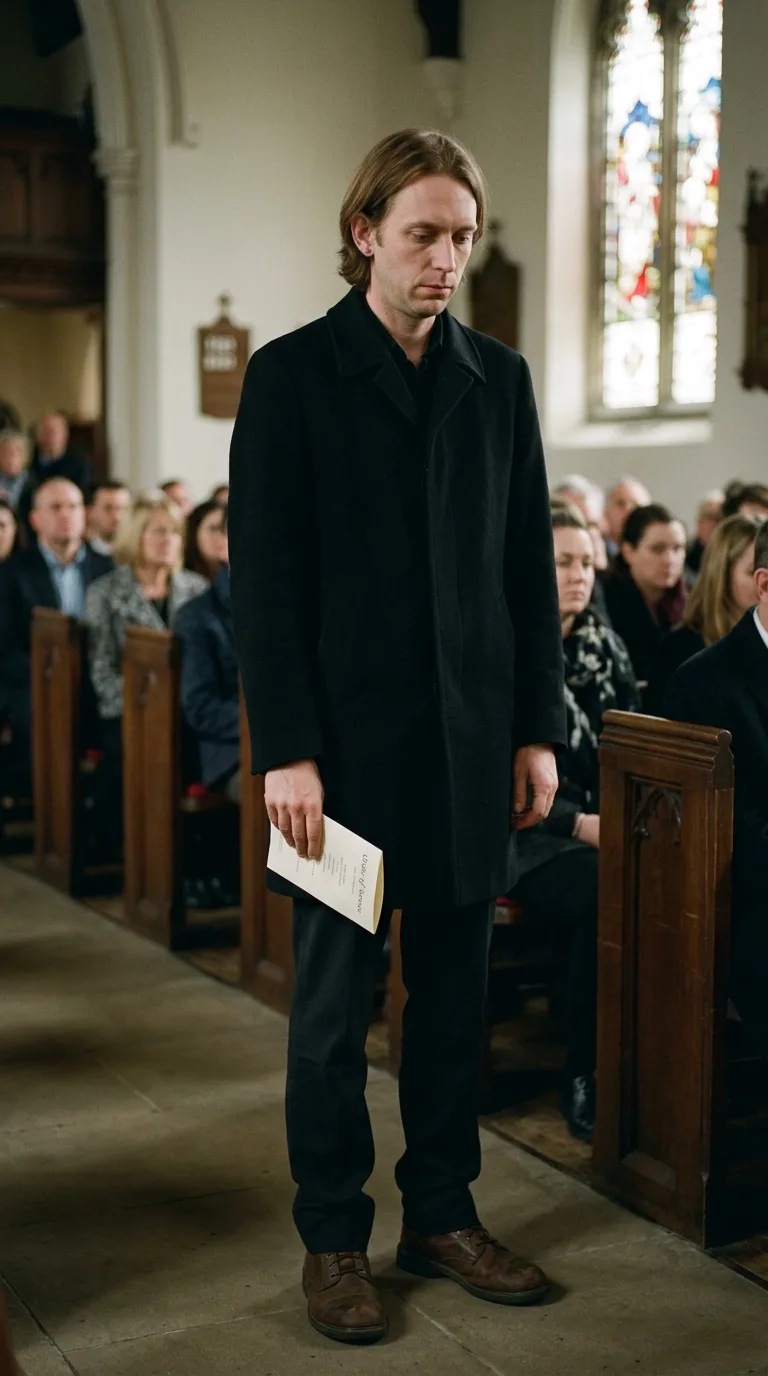
Rarest thing about him: At a funeral, at the back — common, 1 in 112
Season 1seed 1666238368 · engine v11
Character card
lineage 5OR92V
His body-swap story
@owen.prescott, wearing Lonnie Prewitt, rolled the wheel on and woke up as Jason Whitaker, spent under a minute in him, then spun the wheel and woke up as Rohan Mehta
You are in Lonnie Prewitt's shoulders when you decide, and they are good shoulders, wide and stacked from years of standing in doorways. The air is Miami mid-morning, bright through the blinds, and you have been him for less than a minute and already you are bored of how heavy a room feels when you walk into it. The gap in his front teeth whistles when you breathe through your mouth. That isn't why. You think of Ronald Aksel Dahl, the beard, the cold Anchorage kitchen you stood in for two minutes, and the call you saw on his phone from a man who said "buddy" like a handhold. You could not answer it. Nobody had told you how it would feel, to be the one person who knew who was missing. So you pay, and the wheel turns, and Lonnie's weight goes out of your knees.
Black wool. The organ is still holding its last chord, and then it stops, and the whole room stands with a sound like a wave drawing back. You come up half a beat behind them. A folded paper is in your left hand, soft at the crease where a thumb has worried it. Your eyes are down. There is stone under your shoes and a polish of incense in the air.
Your hands go to the coat and smooth it, slowly, finding the buttons one at a time. Nobody looks back.
The coat is borrowed. The wool gives it up at once: a hallway, a wife's voice saying, "Take Pete's, yours is too thin," and his own shame at the sleeves stopping short of his wrists. Then the shirt beneath, black and cheap, and the morning in it: he stood at the mirror and shaved twice, slowly, because his hands wanted something to do. The studs went in last, small and cold, the way they always do. The ring on his left hand turns when you close your fist. It is loose from weight he has lost and not found again, and he thinks of her every time it slides.
The paper in your hand is the order of service, and the name printed across it opens something heavy: Ronnie, the friend who is not Ronald Aksel Dahl and never was, a different Ronnie, dead. They stocked shelves together at nineteen, ate gas-station tacos on a loading dock, and laughed until they were sick. You feel the laugh in his ribs, soft and doughy, the belly of a man who sits too much. Your knees ache from standing on concrete all week. Your feet know the shoes.
Then the one he would never say aloud: he has been trying to find the courage to ask a living friend, any friend, for help. He has $40,000 and no idea what it is for. A priest's voice from childhood says, "Offer it up." The pew-end under your hip is cold and carved.
You lift your hands and look at them. The ring. The nails bitten short. You turn the left one over and the palm is lined and tender and yours.
You look up toward the coffin, then past it, straight ahead.
"Okay," you whisper. "Okay. Hold on."
The congregation sits. You do not know how long you are him. You know only that the coat is warm.