Isaiah Muñoz
Fictional. Generated by AI — not a real person, and no likeness of one is intended.
21, construction laborer in Dallas · rolled by @colin.hasbrook · card — no film
History
who has worn him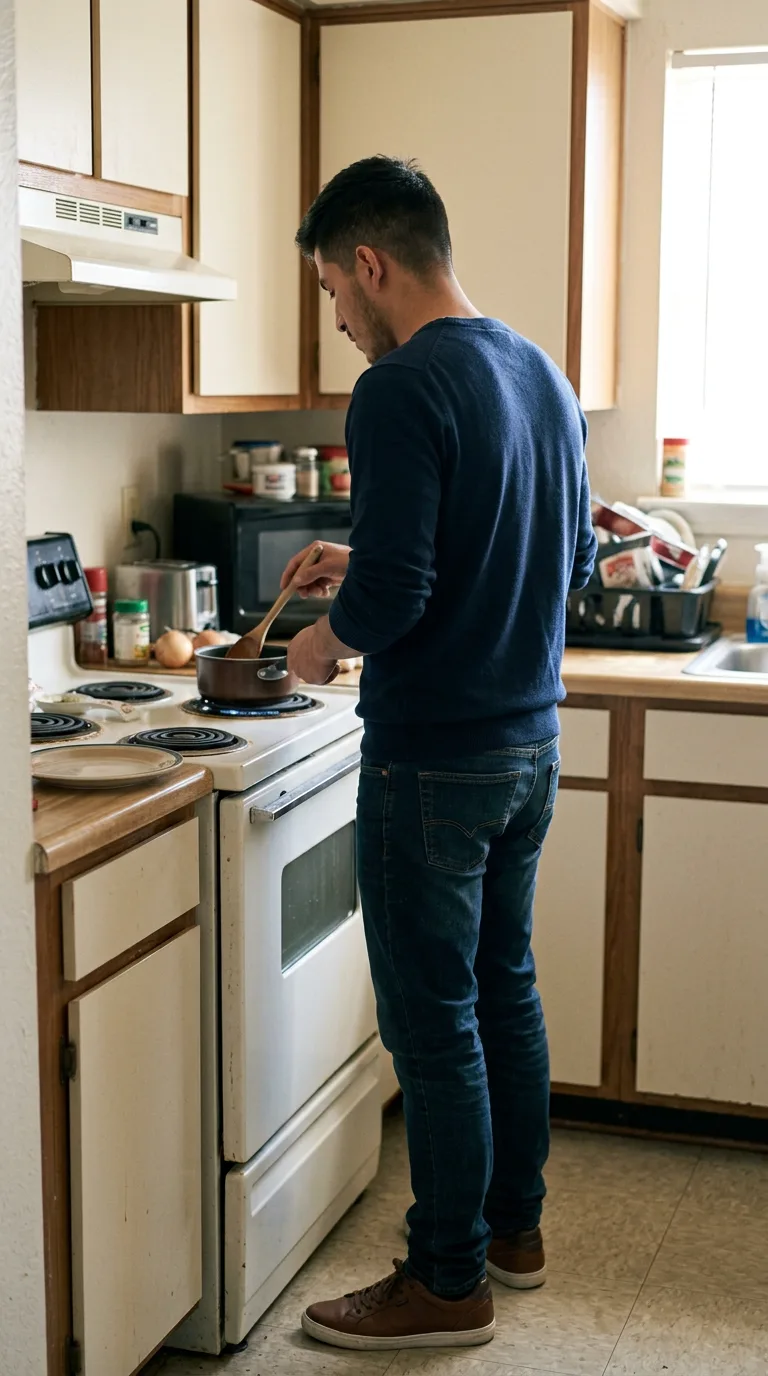
Rarest thing about him: Nicotine pouches — common, 1 in 31
Season 1seed 2087830167 · engine v11
Character card
lineage 2NZHHJ
His body-swap story
@colin.hasbrook, wearing Melvin Katz, rolled the wheel on and woke up as Isaiah Muñoz, spent 3 minutes in him, then spun the wheel and woke up as Todd Marchetti
Melvin Katz's call center headset is still looped around his neck when he pulls up the site on his phone, sitting at the break room table with a lukewarm coffee and forty minutes left on a shift that will not end soon enough. He has been Melvin for less than a minute of his own reckoning, but the fluorescent light, the gray carpet tile, the smell of microwaved soup from someone else's lunch — all of it lands on him at once like a debt he forgot he owed. Sixty-two years in a body that has never once surprised him. He knows this chair. He knows this Thursday. He spun eight hundred and one times to stop knowing things by heart, and Melvin, thirty seconds in, is already a rerun. The phone is warm in his hand. He does not finish the coffee.
The spoon keeps moving after the hand holding it stops being his.
It circles, breaks rhythm, reverses — a small mutiny nobody in the room is around to see. Steam off the pan. A window with the blinds half down, throwing early afternoon straight across a linoleum floor scuffed the color of weak tea. Weight settles into legs that are shorter than the ones he arrived in, denser, planted like they've spent a life braced against a shovel. The shoulder holding the spoon aches in a low, specific way that has nothing to do with him yet. He salts water he has no memory of wanting salted. Behind him, a second plate comes down next to the first without him deciding it — the hand already knowing, before he does, that dinner was supposed to be for two.
Then the kitchen starts telling him things.
The spoon handle is worn smooth on one side, and touching it gives him his mother's stove in Oak Cliff, ten years old, being taught to stir sofrito without splashing the walls, her hand steadying his wrist. The pan is his own, bought at a Walmart on Buckner with his first real paycheck, and the paycheck comes with it — six weeks pouring concrete footings in July heat that turned his forearms two shades darker than his chest, the foreman's voice telling him he had good hands for it, steady, patient, wasted on a kid who kept threatening to go back to school. He didn't go back. Isaiah Muñoz, twenty-one, laborer, the kind of tired at the end of a shift that isn't sadness but sits in the same part of the chest.
The jeans against his legs remember getting dressed this morning — no, this isn't morning, and that wrongness surfaces for just a second and passes through him like a held breath: he came off a night pour, four a.m. wakeups this whole week resetting the schedule the crew's on for the new phase of the subdivision, and this is his morning even if the sun outside says otherwise. Pulling these jeans on sitting on the edge of the mattress, sock already on one foot, the ache in his lower back from Tuesday's trench work announcing itself before he'd even stood up. The long-sleeve navy shirt over the T-shirt, because Marisol says he runs the AC in the truck too cold and he stopped arguing about it months ago. Marisol. The name arrives with a whole soft weight behind it — a laugh that comes out through her nose when she's trying not to laugh, a Sunday morning at her mother's church that he goes to more for her than for God, though God's in there somewhere too, quiet and unbothered like something he inherited and never had to think hard about. She's coming over tonight. That's the second plate. That's the whole reason for two plates.
The toothpick isn't in his mouth right now but his jaw aches faintly for it anyway, an old tell his hands do without him, a habit from quitting dip two years back that never fully left the muscle. His hands, when he looks down at them mid-stir, are wide, knuckles thick, one thumbnail bruised black from a slipped hammer three days ago, calluses ridged hard across the palm heel where the shovel rides. Twenty-one years old and the hands feel older than that, earned older, the kind of hands his father had at forty and passed down early. He likes them. He has never once, in the life pouring back into him now, resented what a day's work does to a body — not the sunburn peeling off his neck in strips, not the dust that gets into every crease of him no matter how he showers, not even the mornings his knees announce themselves like an old man's. It is a good tired. It is his.
He looks down at the spoon, at the hand around it, and turns it over once like checking it's real.
"There we go," he says, to no one, to the empty kitchen, to a girlfriend who isn't there yet — and lifts his eyes off his own palm, out past the stove, toward whatever's watching.