Gregory Pastrano
Fictional. Generated by AI — not a real person, and no likeness of one is intended.
44, paramedic in New York · rolled by @marco.villagrana · card — no film
History
who has worn him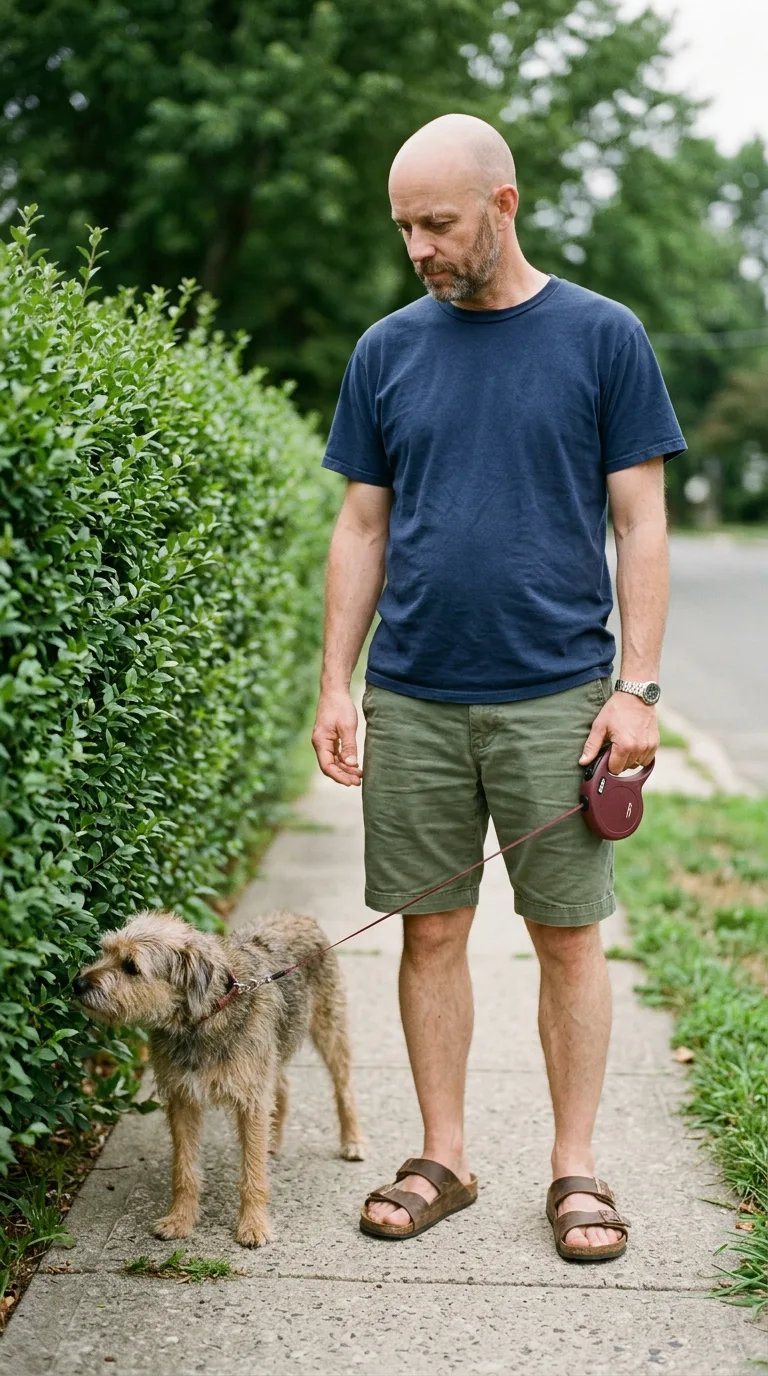
Rarest thing about him: Millionaire — $1M to $3M — rare, 1 in 42
Season 0seed 188586222 · engine v10
Character card
lineage LJL8SV
His body-swap story
@marco.villagrana, wearing Randall Metzger, rolled the wheel on and woke up as Gregory Pastrano, spent 5 minutes in him, then spun the wheel and woke up as Mateo Olazábal
---
Randall Metzger's hotel room smells like carpet cleaner and the ghost of somebody else's cigarettes, and you have been him for six minutes, which is long enough to know you don't want the rest of tonight to be his. The gray hair in the bathroom mirror. The gut sitting on the beauty mark he never asked for. Somewhere down the hall a vending machine hums, and you can feel Randall's whole flat Kansas evening laid out ahead like a highway with no exit for two hundred miles — a call to a wife he complains about to strangers, a rerun, a sales report due Friday that he will not finish. None of it is yours and none of it is interesting, and the six minutes have already told you everything there is to learn about him. You open the laptop still logged into the wheel, because Randall left it open, because Randall was already regretting this before you arrived in him, and that regret is the last thing of his you use. You pay again. You spin again. The room tilts.
The leash goes slack in your hand and then it doesn't, because your hand winds it twice before you've decided to, and a dog you have never seen looks up at you past a hedge with its ears already going back, like it noticed something in your face before you did.
It is a body that carries no weight the way Randall's did — lighter through the shoulders, a softness low in the belly that isn't fat exactly, just forty-four years of not running anywhere. Bald where Randall was merely gray. Sandals. A t-shirt going thin at the collar. You take a step and the dog startles at the change of pace, has to trot to keep the leash from going tight, and you feel, distantly, the shape of a stride this body knows better than the one you're giving it now.
The shirt is what starts it — soft cotton dragging against a back that's known worse fabric, years of polyester and Velcro straps — and it comes back in his feeling, not yours: an alarm at some gray hour, a body swinging out of bed already rehearsing the shift ahead, hand finding a uniform shirt on the closet doorknob without needing the light on. Buttons done by feel, top to bottom, the little brass give of each one. A shoulder mic clipped on out of habit though it isn't on this shirt, isn't on this body right now, and the absence of its weight there is its own kind of remembering. Boots laced in the dark, the left one always looser because of some old ankle thing that never got worse. Cargo pants worn soft at the knee from kneeling on curbs, on kitchen linoleum, on the shoulders of highways at four in the morning next to cars that didn't make the turn.
The leash handle in the hand brings a different year — a dog that used to be smaller, some apartment with too much street noise, a girlfriend's dog technically, and then just his, after, the way things get handed off and never handed back. Nobody left to ask about her now. He never talks about it, wouldn't if you asked, and you don't have to ask, because the shirt already gave you a hundred mornings of getting dressed alone in a room with someone else's furniture still in it, slowly replaced piece by piece until none of it was hers, and somehow that took longer to notice than it should have.
His hands know things without him deciding to let them: a lighter, turning end over end between two fingers when the hands have nothing else assigned to them, an old habit from smoke breaks in ambulance bay doorways, waiting on a call that hasn't come in yet. The scar through the eyebrow arrives last and small — some year, some door, something that needed four stitches and a joke to a partner about how he'd always been an ugly bastard anyway, and it healed pale and thin and became just his face, the one thing people say they'd know him by. He never gets used to being described that way. He doesn't think about the eyebrow. His hands think about the lighter.
Money sits somewhere behind all of it, oddly weightless — a number too large for the shirt he's wearing, for the walk-up he doesn't live in because he never had to, some inheritance or luck or a market call made once and never repeated, and none of it changed what his hands do or what he carries in his pockets, which is nothing he'd bring up. He still walks the dog on a wet stoop street some nights and a suburban sidewalk borrowed from a friend on others, still flips the lighter, still hasn't quit, still doesn't drink, still comes home to a bed that fits one person exactly.
The dog paws at the hedge again, impatient, and the leash tugs at fingers that are already, unmistakably, not merely holding it.
You look down at your hand around the leash, turn it over slow, like the palm might have an answer the back doesn't. Then you look up, past the hedge, into whatever is watching.
"Good boy," you say — his voice, wrong cadence coming out of it — and you don't know yet if you mean the dog or if you're just trying the mouth out, seeing what it still remembers how to say, before the wheel decides you're done with it.