Gordon Lyle Haskins
Fictional. Generated by AI — not a real person, and no likeness of one is intended.
61, groundskeeper in Seattle · rolled by @danny.reyes · card — no film
History
who has worn him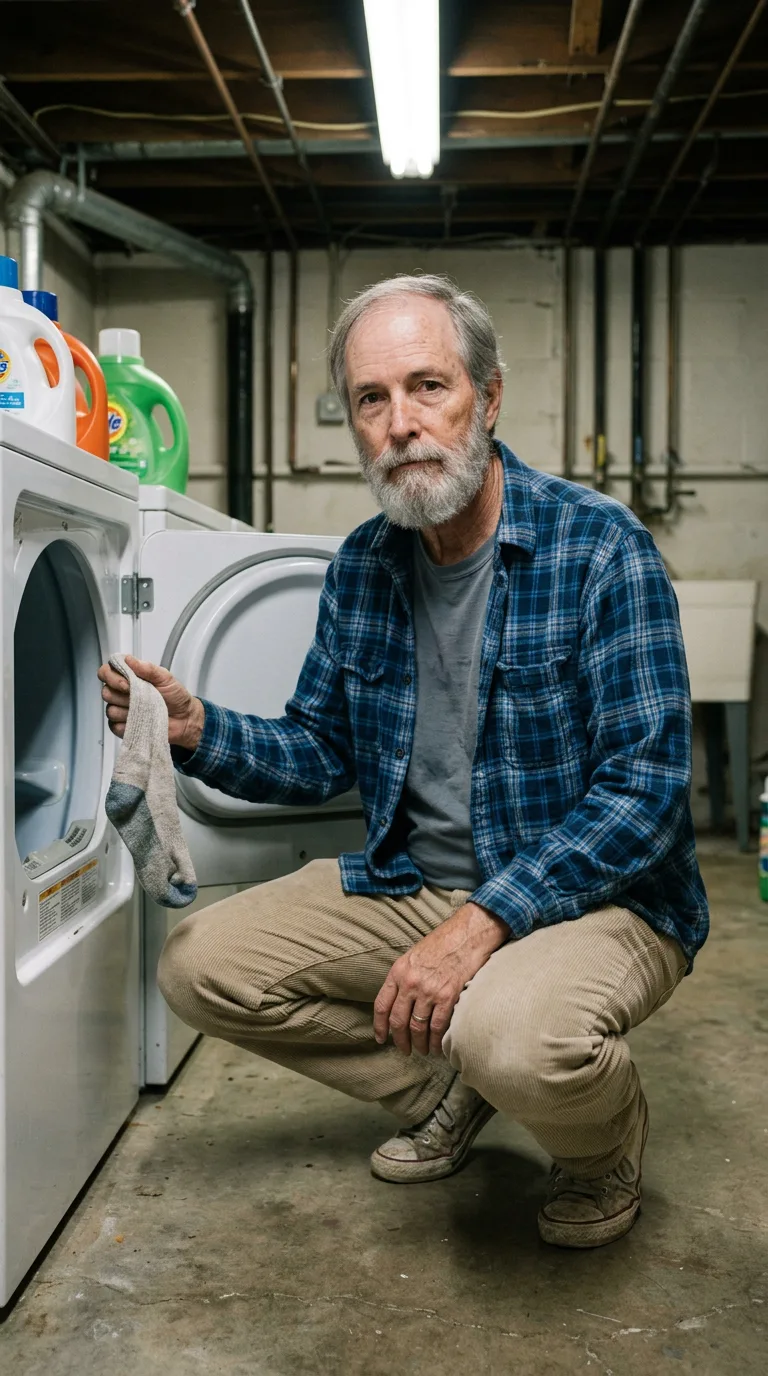
Rarest thing about him: Groundskeeper — common, 1 in 216
Face-off rating 1508 · not ranked yet
Season 1seed 1711782252 · engine v11
Character card
lineage QCQIOJ
His body-swap story
@danny.reyes, wearing Warren Eugene Tidwell, rolled the wheel on and woke up as Gordon Lyle Haskins, spent under a minute in him, then spun the wheel and woke up as Mateo Alvarado Ruiz
You are standing in a man's kitchen in Nashville with a bad hip, and the coffee has gone cold in a mug you did not choose. Warren Eugene Tidwell. Fifty-six, blue eyes, a beard you have stopped noticing. Less than a minute of him, and already you know what he cannot do. He cannot stand still. Every muscle in this body is trained to the next patient, the next stretch, the next soft instruction, and under it there is a quiet like a closed office. He has a wife's handwriting on the fridge. None of it is yours. Sunday noon light lies across the table, and you realize you are bored with being kind. You open the page. The wheel is already turning.
Then you are crouched, and the knees know it before you do.
A hum overhead, fluorescent, steady. Warm air against your face from the open drum. One sock in your right hand, gray, blue at the toe, still hot. The basement smells of detergent and cold concrete and old pipes. Your thighs burn a little from the squat. Your belly folds against your legs, soft, not much to it. There is a ring on your left hand, thin and plain, pressing the next finger.
The sock gives you the first thing. Wool blend, thick at the heel. A woman's voice, not angry: *you only buy gray, Gordon, like a man planning to be invisible.* You feel his smile, a small one, behind the beard. You feel that it was true, and that he liked being known so exactly.
Your other hand rests on your knee, and the corduroy under it opens something else. The tan pants, soft at the thigh. This morning, the edge of the bed, the springs complaining. His hands doing the buttons from habit, the left cuff of the plaid flannel always fought with. He pulled on the gray tee first, thin from washing, then the blue flannel over it, and stood a moment in the hall because his wife was still asleep. He walks the ball field on weekdays. Today there is no field, only this basement and his shoes, canvas, soft, laced loose.
The warmth from the dryer sits on your forearm, and with it comes grass. Four a.m. in the dark stands, the mower stripes going down pale and dark, pale and dark, the whole outfield combed like a man's hair. Nobody sees it. He likes that. He crosses himself at the dugout rail some mornings, a habit from a mother who is long gone. Two kids, grown. A phone call he did not return. A first wife whose name still tightens his chest, and not from hate. He is thinking, in the last of his thoughts, that he must remember the good towels.
His scalp prickles where the hair lies combed flat. The freckles across his nose feel like nothing, but his cheeks are warm from the machine. Your back aches pleasantly, sixty-one years deep. Your fingers are thick and sure. They already know how to close on cloth.
You look at your hands.
The sock hangs from one, and the ring catches the tube light. You turn the hand over. The palm is rough, lined, a stranger's, and it is yours. It could be years in here. It could be until the next time the wanting comes back, and you can feel it somewhere, asleep.
You lift your eyes and say, quietly, "Let's see what he kept."