Gerald Yamashiro
Fictional. Generated by AI — not a real person, and no likeness of one is intended.
55, trucker in Denver · rolled by @fabian.otero · card — no film
History
who has worn him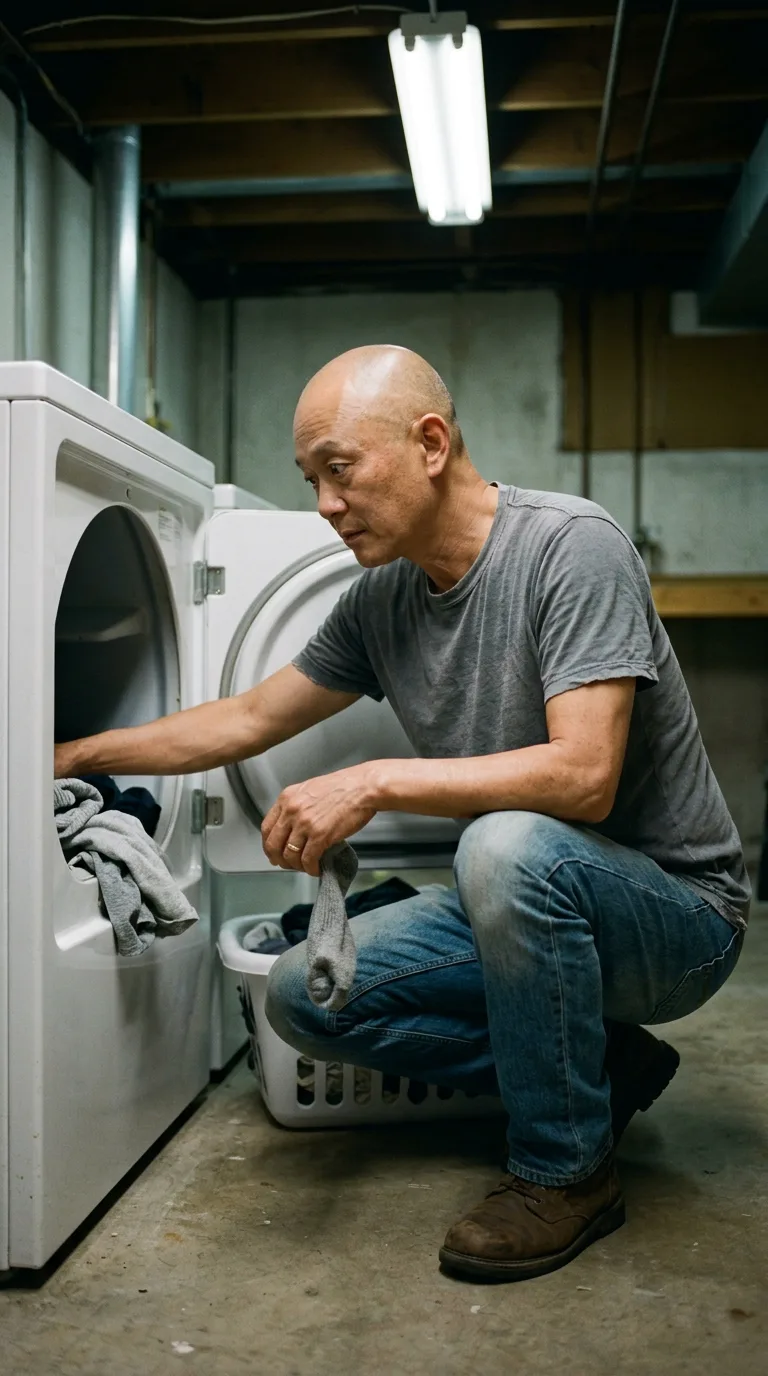
Rarest thing about him: HIV, undetectable on treatment — epic, 1 in 284
Season 0seed 1237022988 · engine v10
Character card
lineage HM5MG9
His body-swap story
@fabian.otero, wearing Rolando Cepeda, rolled the wheel on and woke up as Gerald Yamashiro
Rolando Cepeda's hands smell like formaldehyde even after the third washing, and that is the thing that decides it — not boredom exactly, not greed exactly, just the particular disgust of standing in a basement funeral home at four in the morning with a body on the table waiting to be made presentable, knowing you will do this again tomorrow, and the tomorrow after, in this same heavy frame, this same birthmark you catch in mirrors and flinch from like it belongs to someone else. Sixty seconds in him was enough. You go back to the site less than a minute after arriving, phone light blue on your face, and you spin because you can, because nothing is stopping you, because somewhere a wheel doesn't care that it's the middle of the night in New York and you should be embalming a stranger instead of discarding one.
The wheel turns. There is no falling, no travel — one second you are the weight of Rolando's gut and his tired feet on undertaker's linoleum, and the next you are crouched, lighter, balanced on the balls of your feet, one arm still deep in a dryer's warm mouth, the other hand closed around a single damp sock. Fluorescent light hums white overhead. Concrete floor. A shaved head that isn't sweating the way Rolando's did. You pull the load out and it drops into the basket and your hands — his hands — start folding before you've caught up to what they're doing: corners squared, sleeves crossed at the chest, a rhythm laid down over decades that has nothing to do with you.
Then it comes. The flannel shirt hanging off the back of a folding chair gives you the first flash — his hand pulling it on this morning, cold before dawn, the smell of diesel already in the collar because it never really leaves. Gerald Yamashiro. Fifty-five years' worth of a name arrives sideways, the way all of this arrives, through cloth and skin and not through anything you did.
The prosthetic eye is the strangest part — you feel it now, a faint drag on one side whenever you try to track something quickly, an old accident on I-70 in weather that should have grounded him, glass fixed and permanent while the real one keeps working around it, correcting, correcting, forty years of correcting. His neck aches from a sleeper cab. His knees ache from stairs. Underneath the softness of him there is a wiriness that surprises you, forearms that have wrestled tie-down straps in the rain, and his mouth wants a toothpick it doesn't have, works at nothing, an old comfort from quitting cigarettes before his first son was born.
The shirt gives you more once your fingers find the buttons he did up this morning at some ungodly hour — no, not this morning, you correct, because his morning already happened; this is his midnight, the tail end of a run, home two days early and unable to sleep, so he came down to do the wash because Linda always says the hamper breeds by itself if he's on the road too long. Linda. The wedding band on your — his — left hand delivers her whole, mid-sentence, the way she says his name when she's annoyed and the way she says it when she isn't. Twenty-six years. Two kids grown and mostly gone, a daughter in Fort Collins who calls every Sunday, a son who doesn't call enough. A temple on Alameda he goes to four, five times a year and always means to go more.
The basket handle brings back Priya — not his wife, the ex, seven months over now and still a bruise he presses without meaning to — a woman from a stop outside Amarillo, laughter that undid something in his chest he thought was done being undoable, six months of texting from truck stops before it collapsed under its own weight and his own guilt and the simple arithmetic of a marriage he wasn't going to leave. He never told Linda. He never will. He carries that the way he carries the pills he takes every morning without her noticing, undetectable now, has been for years, a diagnosis older than the affair and stranger than either, something from a stretch of his twenties he doesn't examine too closely anymore — just swallows the pill, screws the cap back on, moves forward.
The dryer's warmth is still on your forearms. Under your bare feet the concrete is cold enough that his toes have curled without him noticing, an old habit, and your — his — lower back twinges the way it always does on the third night off the road when the mattress at home feels too soft after the cab. Skinny fat, soft in the middle, strong enough in the shoulders from decades of straps and dollies. Fifty-five and steady. A man who drinks maybe three times a year, who quit wanting cigarettes before quitting was even hard, who prays sometimes and folds laundry like a discipline because his mother did it that way and it is one of the only things of hers he still has.
You finish the stack. Perfect corners. Nothing like the wreck of shirts you left folded badly in a drawer above a funeral home three thousand miles and one lifetime away.
You look down at your hands — his hands — turning them over in the humming light, the wedding band catching gold, and something in your chest that isn't quite guilt and isn't quite hunger says: not yet, not this one, not so fast.
"Almost done," you say out loud, to no one, in his voice, and it comes out steadier than you expected, and you don't know yet how long you'll let that be true.