Gary Petrosky
Fictional. Generated by AI — not a real person, and no likeness of one is intended.
47, sales rep in Pittsburgh · rolled by @brian.okafor.lynch · card — no film
History
who has worn him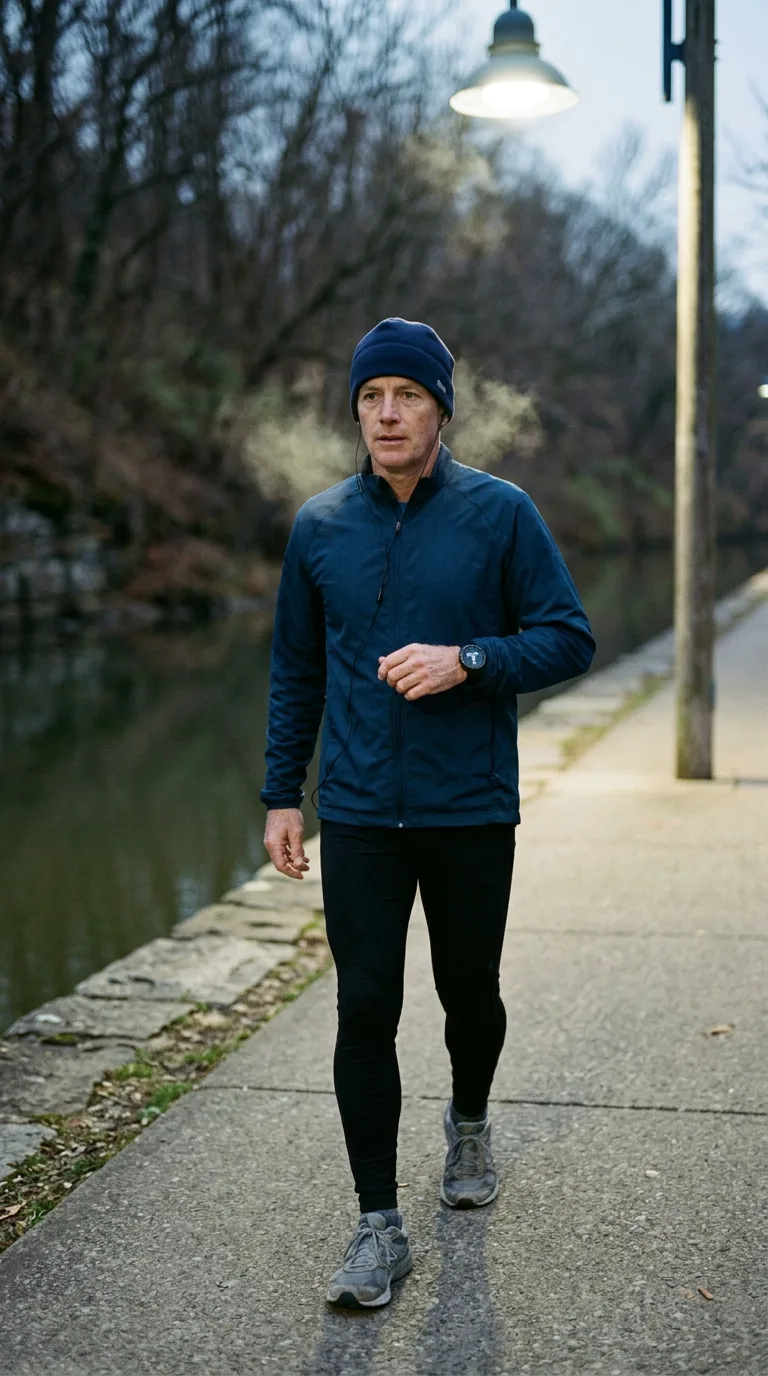
Rarest thing about him: Pipe smoker — legendary, 1 in 415
Season 0seed 14643896 · engine v10
Character card
lineage 79CGDV
His body-swap story
@brian.okafor.lynch, wearing Marcus Delroy, rolled the wheel on and woke up as Gary Petrosky, spent 1 minute in him, then spun the wheel and woke up as Trent Beauchamp
You are standing in Marcus Delroy's kitchen, and Marcus Delroy's hands are shaking, and it has nothing to do with cold. One minute in this body and already you know the shape of the problem: the shift starts in forty minutes, the van smells like the last guy's cigarettes, and the shoulder Marcus has been favoring since some warehouse pallet incident last spring is going to ache by ten a.m. and keep aching until the route's done. You liked the idea of him more than the reality of him, standing there in his socks on the linoleum. Thirty-two, strong, good-looking by anyone's accounting — and none of it belongs to you enough to matter, not when the phone is already buzzing with a dispatcher's name on it. You didn't come here to deliver packages. You open the site on his phone with his thumbprint, which still works, apparently, because the wheel doesn't care whose thumb. You spin before you can think better of it.
The stumble is small — two steps that don't quite land — and then you're running.
Cold air first, then the burn of it low in the chest, a rhythm your legs already know without you. The watch on your wrist buzzes a number that doesn't belong to any effort you remember making. Around you: a canal path, black water on one side, wet leaves gone dark and slick underfoot, a lamppost throwing yellow light into fog that is really just his own breath, over and over, mile after mile of it. Earbuds feed something rhythmic and unbothered into ears that are not yours yet. The body under you is compact, tight through the calves, a little sore in a hip that has run this same four miles several thousand times before. Average build. Nothing showy. It runs like a man who stopped needing to prove anything about it a long time ago.
The jacket is what opens first — navy, zipped to the throat, worn soft at the cuffs — and through it comes a Tuesday two winters back, ice on this same path, him going down hard on one knee and getting up laughing at himself, alone, nobody there to see it, the specific privacy of a man who runs before the city wakes up because he likes owning the hour. Gary. The name arrives with the jacket, plain as a nametag. Gary Petrosky.
The watch gives up more — full years of splits, a stretch after his mother's funeral when the miles got long and grim and necessary, mornings he ran through knowing the Kingdom Hall meeting was that evening and he'd sit in the back pew-that-isn't-a-pew still smelling like sweat and cold. The lanyard he isn't wearing now but will be in three hours comes anyway, stitched into muscle memory: hotel lobbies, a badge with his name reversed against the light, handshakes that decide contracts worth more than most people's houses, small talk about the Steelers he doesn't care about with men whose blood pressure medication he half-suspects matches his own. The suit jacket, tomorrow's or yesterday's, gives him buttoning it in a mirror that's seen him do it for eleven years, checking the crease, the tie he doesn't wear because open collar reads better with clients his age. Freckled hands doing up cuffs. A toothpick already between his teeth before the tie is even chosen, an old tell he's never managed to quit, the way some men still reach for a cigarette that isn't there.
The shoes underfoot — not the leather ones, the gray running shoes, laced twice because once never held — bring back nothing dramatic, just years of Tuesdays and Thursdays and Sundays-after-service, alone on this path by choice, no wife's voice calling after him, no kid's bike left in the driveway, an emptiness in the house that he has made into a kind of order instead of a wound. A pipe on the windowsill at home, unlit at this hour, waiting. A drink he'll have exactly one of on Friday, no more, because he's never needed more than one to feel like the week ended. High blood pressure that he doesn't think about except when the doctor makes him, a pill he takes with black coffee and no ceremony.
None of it is loud. All of it is complete — the particular contentment of a man solvent and unclaimed, going through his forty-seventh year the way he goes through this run, steady, a little sore, in no rush to be finished.
You look down. The hand in front of your face is broader than the one you had a minute ago, freckled to the knuckle, a stranger's watch strapped to a stranger's wrist, and you turn it over slowly like you're checking it's real.
"Huh," you say, out loud, to no one, breath fogging over the water. "Okay."
You keep running. Somewhere behind you, in a kitchen in Boston, a phone with a dead man's thumbprint is still logged into a site with a wheel on it, and you don't know yet whether that matters, or when you'll spin it again.