Efraín Cabrales
Fictional. Generated by AI — not a real person, and no likeness of one is intended.
50, barber in Eastern Kentucky · rolled by @colin.tarwater · card — no film
History
who has worn him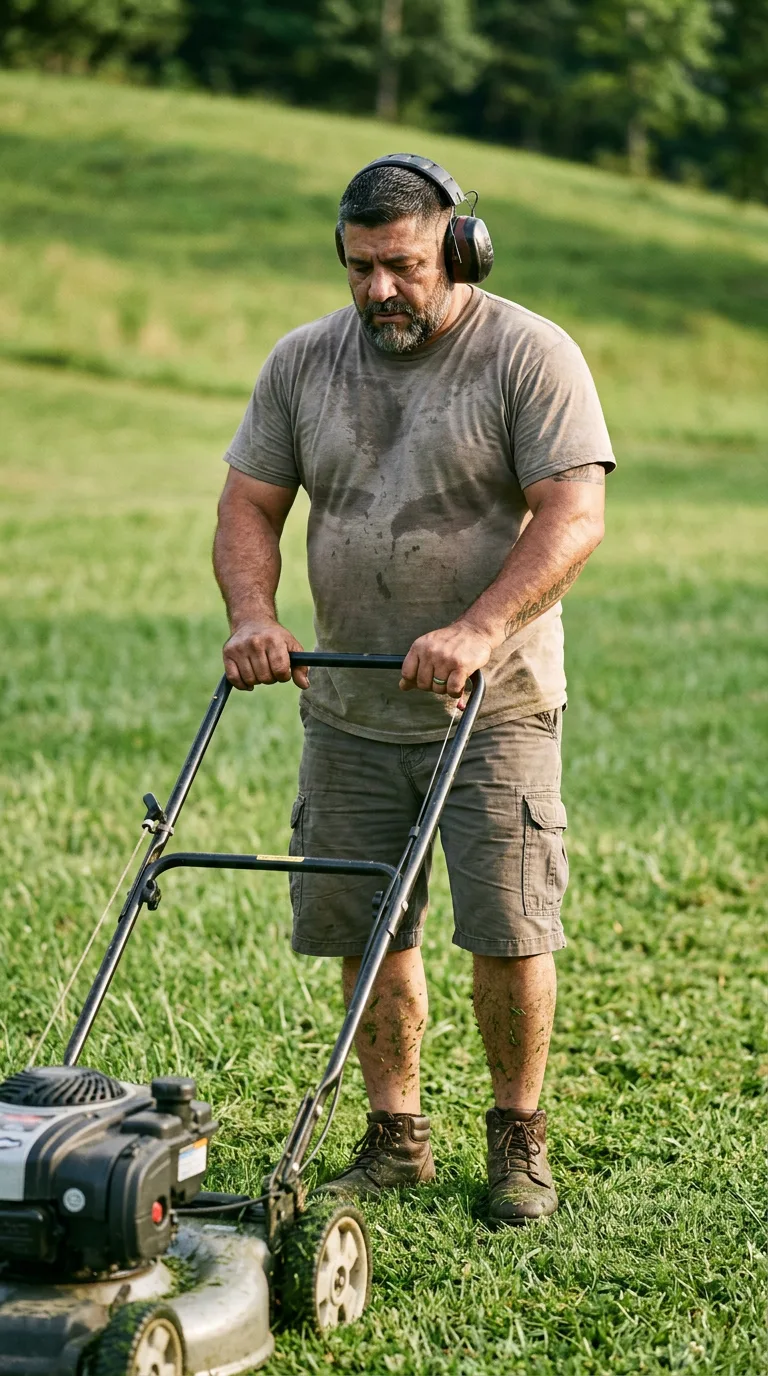
Rarest thing about him: Hookah, a few times a year — legendary, 1 in 267
Season 0seed 1782418712 · engine v10
Character card
lineage COEU7T
His body-swap story
@colin.tarwater, wearing Nestor Villagómez, rolled the wheel on and woke up as Efraín Cabrales, spent under a minute in him, then spun the wheel and woke up as Colin Tarwater
---
The pallet jack's wheel catches a seam in the concrete and the whole load shudders, and that's the second time this hour, and you feel it in this body's knees before you feel it anywhere else — a dull, deep ache that isn't yours, that belongs to a man five inches shorter than you used to be, carrying weight he was never built to carry. Bald head sweating under the fluorescents. Beauty mark on the cheek you keep catching in the reflective wrap of the shelving. Fifty-one years old and thirty minutes from the end of a graveyard shift, and something in you has already left, has been leaving since you scanned the last barcode. Anchorage is dark outside the loading bay doors, the way it's dark most of the year. You don't hate this man. You've only had him a handful of weeks. But the wanting is back, low and familiar, a hum under the ribs that no amount of sleep fixes, and there's a phone in your back pocket with the site already open in a tab, because you checked it on your break like always, like a man checking a lottery number that never comes up bad for him — he cannot lose, only choose. You step into the break room, thumb the wheel, and pay.
The mower's engine drops a note under your hands and catches again, and you are standing in noon light so bright it hurts after the warehouse dark, grass-wet to the shins, one earmuff hanging loose off an ear that isn't cold anymore. Green hill. Cable footbridge somewhere off past the treeline, brown water under it you can't see yet but somehow already know is there. Your hands — his hands — stay on the bar through the catch. You reach up, unhurried, and settle the earmuff back over your ear, and the next pass runs dead straight beside a half-dozen crooked ones, like the machine itself just remembered how it's supposed to be handled.
The bar under your palms is warm rubber gone tacky with years, and it comes first, before anything else — decades of mowing this exact hill, the give of it, the particular pull to the left this mower's always had, favor a little right or you end up in the ditch grass by the fence line. Then the shirt. Sweat-soaked cotton dragging against your back gives you this morning, sleeve by sleeve: standing in a bedroom that used to be a marriage and is now just a bedroom, pulling on the same tee he's worn to mow in for three summers because it's already ruined and there's no ruining it further, cargo shorts because his knees don't love denim in the heat anymore. Forty pounds heavier than he was at thirty and he made peace with that around forty-five, mostly, on the good days. The ring is still on. He never took it off even after she left, and the memory that comes with the metal against the bar is not dramatic — no fight, no scene — just her at the kitchen table two Christmases ago, calm as anything, telling him it was fine, they'd both done fine, and somehow that was worse than anger would've been.
The clippers he doesn't have in his hands right now still live in his palm as a kind of memory-callus — Tuesday through Saturday, a chair, a mirror, a line of men waiting, hair on linoleum in little dark commas. He is good at making men look like themselves, only better, and there is a particular pride in that nobody who doesn't do it would understand, the pride of a clean fade, of a man leaving lighter than he came in. His daughter calls on Sundays. His son doesn't, much, but sends money he doesn't need — the account he doesn't check often enough to know exactly how well off he is, only that he stopped worrying about it around the time he stopped worrying about most things a certain white pill helps him not worry about, taken every morning without much ceremony, the same as brushing his teeth. Hookah on a porch twice a year with men he calls friends more than he sees them. Church on Sundays that matter more than the ones that don't. A body that carries all of it — the weight, the ache in the knees, the particular strength still coiled in the forearms from thirty years of scissors and clippers and now this mower — with no complaint, because complaining was never really his language.
The engine idles under your grip, steady now, the crooked rows behind you and the straight ones ahead, and you look down at his hands on the bar — thick fingers, a wedding ring he never had a reason to take off, grass-stained knuckles — and turn one over like you're checking it for something that isn't there.
You lift your eyes off it, into the shine of the sun, and say, to no one standing in this whole green field:
"Well, all right, then."