Curtis Owsley
Fictional. Generated by AI — not a real person, and no likeness of one is intended.
46, logger in El Paso · rolled by @colin.hasbrook · card — no film
History
who has worn him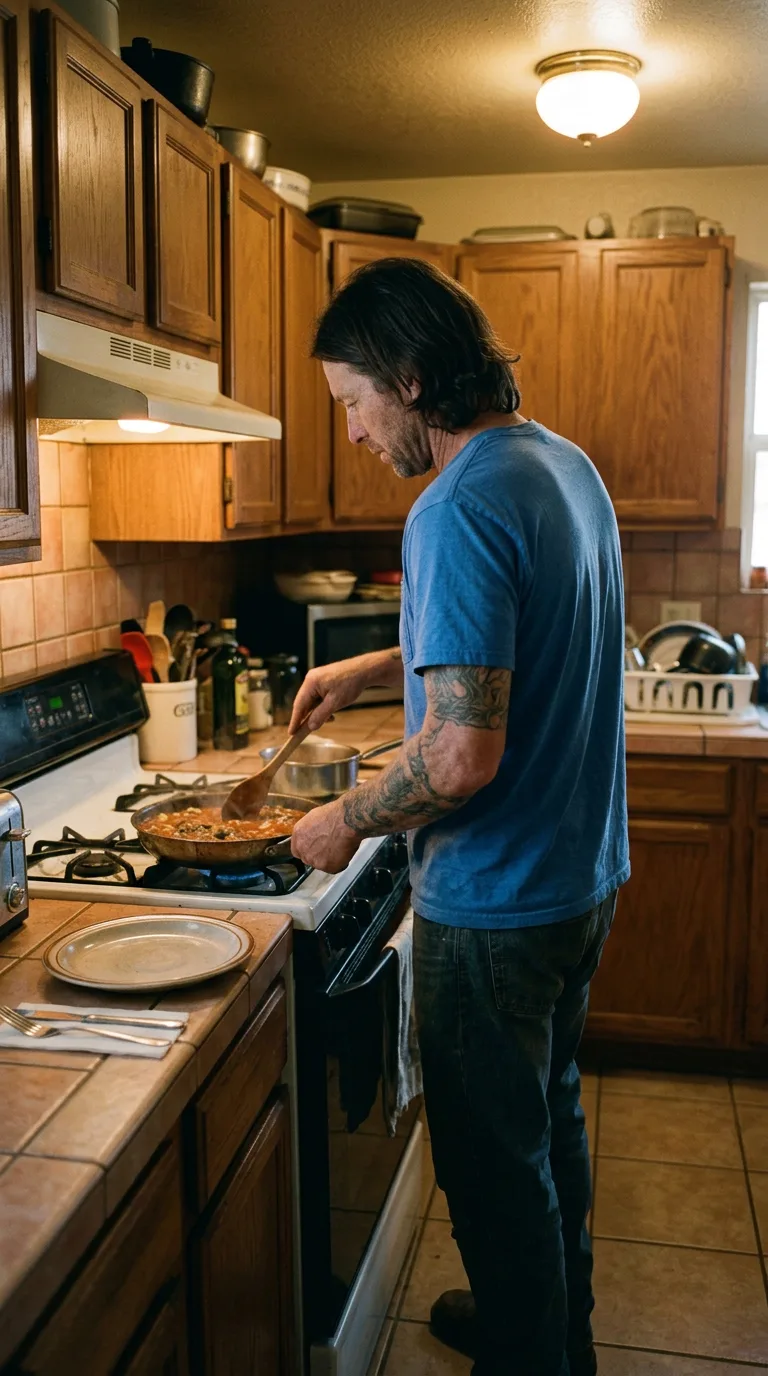
Rarest thing about him: Logger — uncommon, 1 in 121
Season 0seed 1773129363 · engine v10
Character card
lineage 2NZHHJ
His body-swap story
@colin.hasbrook, wearing Brian Vukovich, rolled the wheel on and woke up as Curtis Owsley, spent under a minute in him, then spun the wheel and woke up as Gregory Pantalone
You are four minutes into being a plumber named Brian Vukovich, standing in his kitchen in Detroit with a sandwich in his hand and his phone propped against the toaster still open to the site, and the trouble is you can already feel where this one runs out. It's the hands. Brian's hands are wrecked in a way you didn't notice on the card — knuckles swollen from thirty years of pipe wrenches, a numbness in the last two fingers of the left one that isn't pain exactly but isn't nothing, and you are going to be wearing that for however long you keep him, and four minutes has been enough to know you don't want to. It isn't dramatic. You just don't want the hand. You put the sandwich down on his counter, you thumb the wheel awake again, and you spin.
The stirring stops mid-circle.
Your arm — his arm — reverses direction on its own decision now, folding the pan the other way, and the smell hits before anything else does: onions gone soft, garlic, something with cumin in it, and under that the flat mineral smell of a gas burner too close to your knuckles. Your knuckles. They don't ache. That's the first thing you notice, after the smell — nothing aches, nothing is numb, and the relief of that is almost obscene before you've even understood what you're standing in. You salt the pan without tasting it. Your other hand, already moving before you've told it to, opens a cabinet and takes down a second plate and sets it beside the first one on the tile counter, and you don't know why until the plate is already down and the wanting behind it is already fading, a habit outliving whoever it was made for.
The shirt is what gives him to you first. Flannel, red and black, gone soft and thin at the elbows, and it comes with the cold of four-thirty in the morning, headlamp light on frost-white grass, the particular ache of pulling it on over a base layer in a truck cab with the heater not caught up yet. Denny's truck, this is — no, yours, but you bought it off Denny Aldecoa two winters back and it still smells like his dog. The chaps go on next, green canvas, buckled at a hip that has learned exactly how far to lean before a saw kicks, and that's not memory so much as body — this body, forty-six years into itself, average through the middle, strong through the forearms in a way that has nothing to do with a gym, a spine that has learned to fall a certain way when a widow-maker comes down wrong and hasn't been wrong yet. The boots are already broken to a shape that isn't your foot and is your foot, every foot you've ever had once you've had it long enough.
The spoon in your hand gives you Tuesdays — always Tuesdays, some rotation of the crew's schedule that put him home on a day everyone else was working, cooking for the freezer, for one, because that's what one person does who has learned not to mind it. The counter under your other hand gives you the house going up around you in a version from six years back, Marisol's laugh somewhere behind you in a kitchen that had different cabinets then, her hand flat on this same counter telling you she was done, not with you exactly, with El Paso, with the two of you being from here and staying here and never once talking about somewhere else. She left for Tucson. You didn't go. You still think of her on Tuesdays, apparently, or your hands do, stirring something nobody's coming home to eat.
The stove's warmth against your shin gives you the block — not this kitchen, the cut, forty miles north, the specific white light of desert morning through pine instead of glass, the drop of a trunk you cleared last week landing exactly where you called it, dust jumping off the ground a full second after the sound arrives. Your hands know a chainsaw the way Brian's hands knew a pipe wrench, except these don't hurt yet, won't for years, and something in you that isn't him is grateful for that the way you'd be grateful for a rental car with no dents.
The nose knows the room before anything else does — cumin, onion, the tortilla warming somewhere you haven't looked yet — and under it, faint, your own breath through a mouth that sleeps with an apnea machine hissing in the next room most nights, though not now, not this morning, this morning you're upright and moving and fine. Freckles on the backs of these hands that weren't there on Brian's. A softness at the belly that Brian didn't have either. Two different unhandsome honesties, and you like this one better, though you couldn't say why except that nothing in it hurts yet.
You look down at the spoon, at the pan, at hands gone brown and weathered and freckled clear up the forearm, and you turn the right one over slow in the stove light like you're checking it's really yours.
"Guess I'm not that hungry after all," you say, and you set the second plate's fork down beside it, facing a chair nobody in this house has sat in for six years, not knowing yet if you'll be the one to eat off either one tonight, or whether the wheel gets spun again before this kitchen even cools.