Colin Dressler
Fictional. Generated by AI — not a real person, and no likeness of one is intended.
34, manager (mid-level) in Houston · rolled by @colin.hasbrook · card — no film
History
who has worn him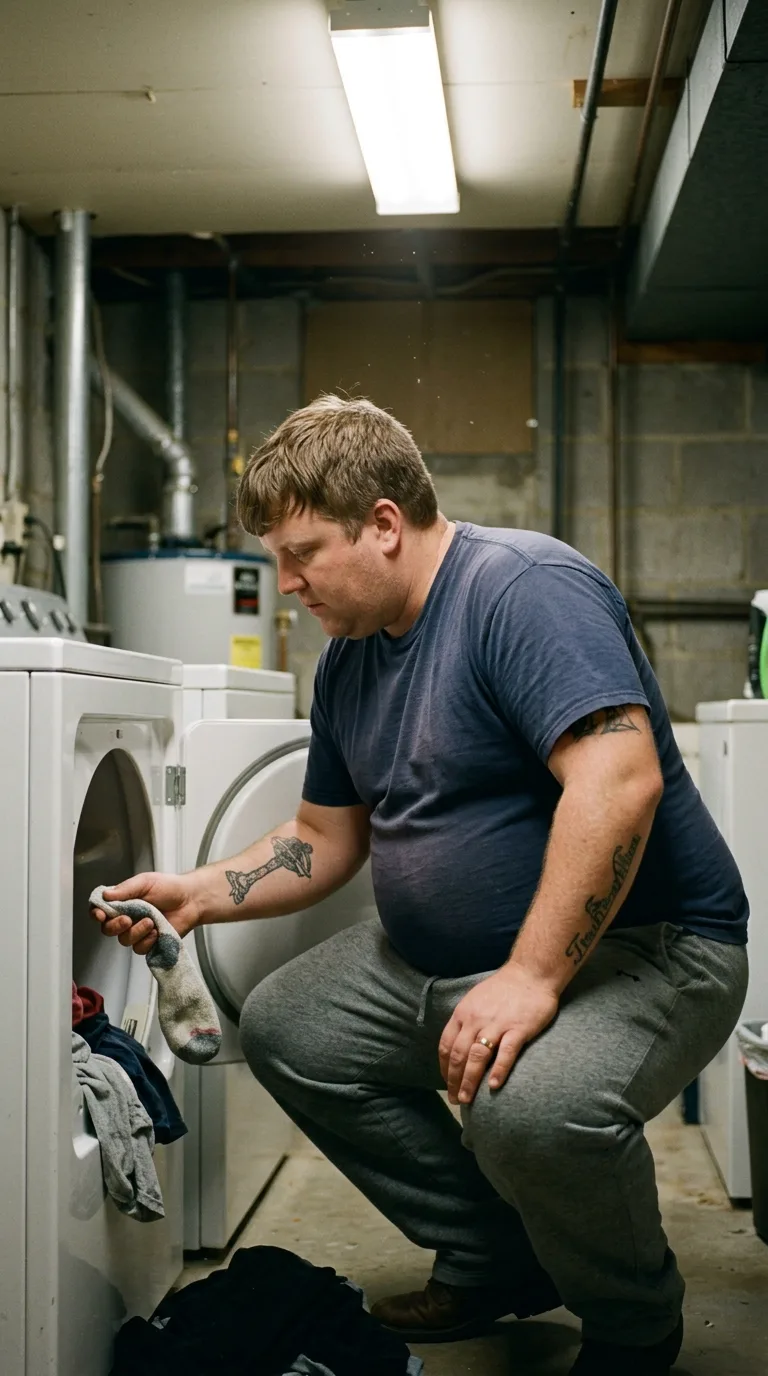
Rarest thing about him: Quitting right now — epic, 1 in 99
Season 0seed 226774146 · engine v10
Character card
lineage 2NZHHJ
His body-swap story
@colin.hasbrook, wearing Ramon Estep, rolled the wheel on and woke up as Colin Dressler, spent under a minute in him, then spun the wheel and woke up as Marcus Ellison
Ramon Estep's hands smell like drywall dust and the cigarette he didn't have. You have had his hands for less than a minute — a job site at quitting time, a truck with a bad alternator, a woman named Dee who calls twice a day and whom you have never met and never will — and already the itch is back, the one that has nothing to do with Ramon and everything to do with the part of you that stopped being able to sit still inside one weather a long time ago. Fifty-two men ago. A hundred men ago. You don't count anymore except that the number is there, always there, ticking behind whatever face you're wearing: two hundred and fifty-two. You are standing in a gravel lot outside a half-sided house in Eastern Kentucky, and the light is doing the long gold thing it does before it quits for the day, and you think, not unkindly toward Ramon, that you are done with him already. You take out the phone that is not yours, in a hand that is not yours, and you open the page with the wheel on it, and Ramon Estep, who will never know he almost went home to Dee tonight, disappears from the inside without a sound.
You are crouched. That is the first thing — knees complaining, a socket of pain in the left one that reads as old and familiar in a body that isn't yours yet, weight low and wide and settled over work boots. Warm air rolls out of the dryer's mouth into your face, chemical-sweet, and there is a sock in your hand, one white ankle sock gone gray at the heel, and the fluorescent tube overhead is humming its one flat note. You pull the load out in a warm armful and it drops into the basket with the particular whump of a week's laundry, and your hands — his hands, blunt-fingered, a plain gold band on the left one — are already sorting before you've caught up to owning them.
The wedding band is the first door. It swings open on a courthouse afternoon, a JP with a lazy eye, Marisol laughing because he forgot the ring at the apartment and had to drive back for it, forty minutes round trip, her sitting on the concrete steps in her one good dress not even mad, just amused, the whole marriage starting with him being twenty minutes late to it, which somehow set the whole tone of the thing — steady, a little behind, arriving anyway. Seven years of it now. An old ex before her, Tara, who he still thinks about on nothing days, not with longing exactly, more the way you think about a house you used to live in — you know where the creak in the floor was. He has not told Marisol he still thinks of Tara. He has not told Marisol a number of things.
The T-shirt against your back gives you the morning: pulling it over his head in the gray bathroom light before six, the fabric soft from three hundred washes, and under it the memory of the body itself — the gut he stopped fighting two doctors and one Lipitor prescription ago, the shoulders that used to play line in high school and have gone soft and wide with sitting in a glass-walled office watching other men do the work he used to do with his own hands. The tattoo on his forearm — a hammer, inked the week he made foreman, before the promotion after that took him off the floor for good and put him behind a desk answering emails about a floor he no longer stood on — itches faintly under the sleeve, an old joke his body still tells itself.
His hands know the folding before you do: pull, snap, corner to corner, three folds, stack — fast, precise, nothing like whatever waits upstairs in a drawer that this same afternoon will not touch, because laundry is the one thing that is only his, fifteen minutes a night where nobody needs a decision out of him. Upstairs a television is on low. Marisol is up there, and there is no argument between you, not tonight, which is its own kind of Tuesday miracle in a marriage that has had its stretches. He carries something else too, quieter — the two pills at breakfast and the two at night, the therapist every other Wednesday, the low hum under everything he'd call, if pressed, "manageable," most days. His hands, when there's nothing to fold, go to his own cuticles, worry at them raw; there's a torn one on the right thumb doing that right now, unbidden, an old tell nobody's ever called him on. He quit drinking two winters ago without telling anyone it was a decision. He is quitting the cigarettes right now, this month, badly, and there is a crushed pack somewhere in a coat pocket upstairs he has not thrown away yet, which tells you everything about how that's going.
You look at your hands. Thick, blunt, a wedding band, a raw thumb cuticle, faint dust of dryer lint on the left one. You turn them over once in the humming light, the way a man checks for something he can't name, and you lift your eyes off them into the dark glass of the dryer door, where a face that isn't the one you had an hour ago looks back at you.
"Who's next," you say, to no one, to the socks, to the wheel that isn't here — and you don't mean it as a question you're asking yet.