Bryan Kessler
Fictional. Generated by AI — not a real person, and no likeness of one is intended.
19, student in Atlanta · rolled by @colin.tarwater · card — no film
History
who has worn him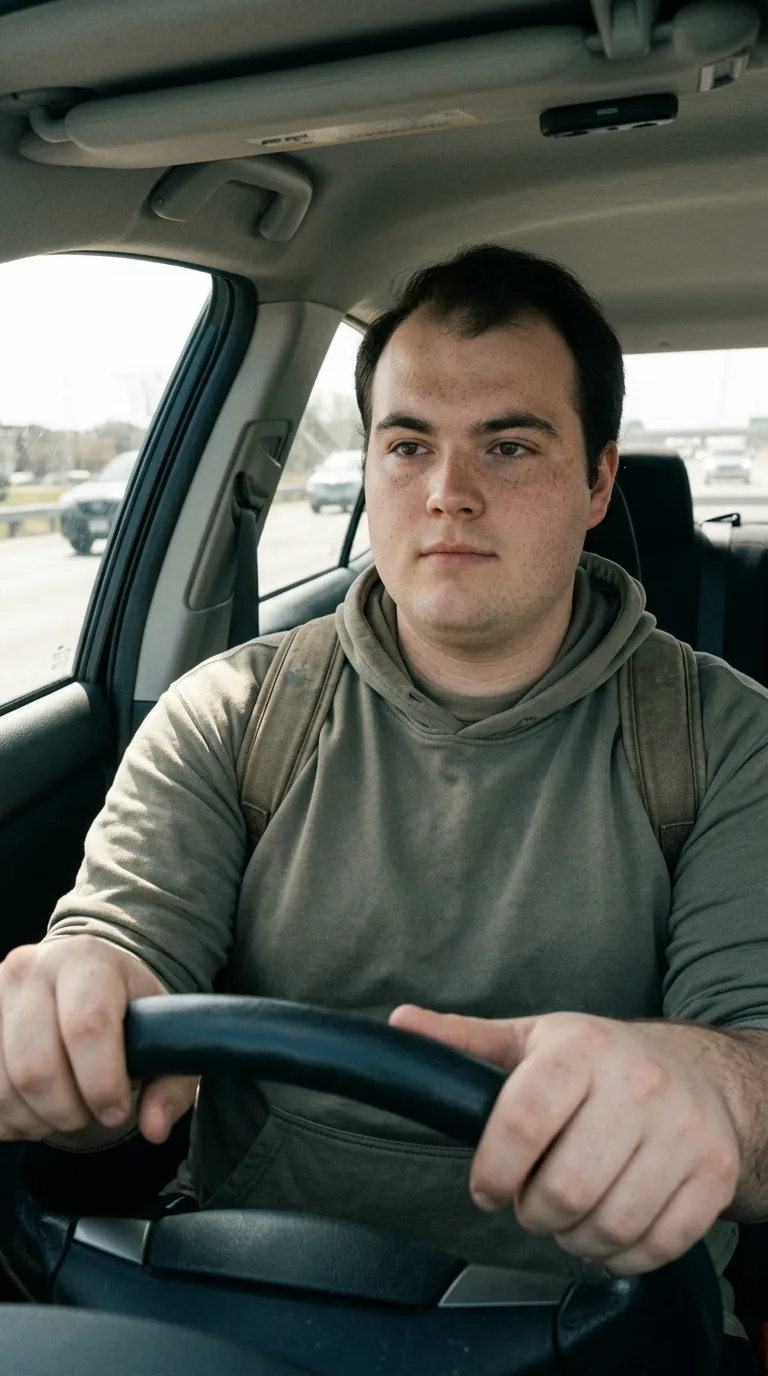
Rarest thing about him: Driving home — common, 1 in 20
Season 1seed 199762978 · engine v11
Character card
lineage COEU7T
His body-swap story
@colin.tarwater, wearing Warren Latchford, rolled the wheel on and woke up as Bryan Kessler, spent under a minute in him, then spun the wheel and woke up as Marcus Alistair Denny
Warren Latchford has been sitting behind this desk for less than a minute, and already the varnish of it bores you — the framed diplomas, the smell of the humidifier running in the corner against the Kentucky damp, the ache low in a fifty-five-year-old back that has argued too many motions in front of too many county judges. His hand goes to his jaw out of habit, feeling for the dimples that used to charm juries, and you think: this again. Fifty-five years of case law and alimony and a body that creaks getting out of a car. You spun for this man eighty-five spins ago as if he were a prize. Now he is just a chair you're sitting in. You open the laptop, find the site under a bookmark labeled nothing, and you do not deliberate long. Greed dressed as curiosity. You have never been young in this life. You want, badly and without examining it, to feel a jaw with no shadow of a beard on it.
The wheel turns. It does not ask permission and it does not travel. One second you are the weight of a tired lawyer's afternoon, and the next you are enormous in a different way — younger, heavier through the middle, a backpack strap biting into a shoulder that was, a half-second ago, someone else's shoulder entirely. Your hands — his hands — are at ten and two on a wheel that isn't a courtroom pen. Dash light green on the knuckles. The car is doing sixty-eight down a dark highway and the freckles across this nose itch faintly from a day of sun nobody remembers yet. The car drifts a foot, comes back clean. Both hands lift off, resettle lower, wider, the grip of someone about to signal for an exit he has no memory of choosing.
The steering wheel gives it up first — the vinyl worn smooth where his palms have rested a thousand times, the crack in the plastic near the horn that his thumb finds without looking. A parking lot on a September afternoon, this same wheel new-smelling, his father saying *don't ride the brake, son* — the first car he ever owned, bought used off a guy in Lawrenceville, the payments still not finished. Nineteen years old and the car is the only thing that is completely his. The backpack strap digs and gives him a lawn: an oak tree, sprinklers ticking somewhere off campus, a laptop balanced on a knee too wide for the folding chair, a girl two years gone now — Callie, her name arrives whole, unbidden, with the particular ache of a breakup that still isn't finished healing — laughing at something on his screen before either of them knew it would end badly. The hoodie against his back is soft from washing, the drawstring chewed at one end from a habit he's had since he was fourteen, and dressing this morning comes back sleeve by sleeve: the smell of the dryer sheet, the way he tugged the hem down over his stomach without thinking about it, an old reflex, a small flinch he's had about his own size since middle school that nobody ever sees because his face is doing something easy and open instead. Freckles under his fingers when he rubs his nose, a thing he's had since he was a kid, the one feature strangers always mention. His jaw is smooth — shaved this morning at 6:40 with the bathroom mirror fogged, in a hurry, nicking nothing.
The dashboard clock's glow tells his body it's late, though somewhere behind you a Kentucky office window still holds full daylight — his afternoon is running hours ahead of the one you left, and for a second both times sit crossed in him like two exposures on the same frame. His heavy shoulders remember carrying equipment for a high school football team he wasn't quite good enough for, remember his mother's kitchen, remember a professor's comment on a paper that stung for a week. Twenty years of a small, ordinary, unfinished life sit in his hands on this wheel, and none of it is dramatic, and all of it is his, right up until the signal clicks on for an exit he never meant to take.
You feel your hands — his hands, wide, freckled at the knuckles, a callus at the base of each thumb from gripping this exact wheel for three years — and you turn them over in the dash light like you've never seen hands before.
"Okay," you say, out loud, to no one, in a voice that isn't yours yet and is already starting to be. "Okay."
The turn signal keeps ticking, patient, for a road that leads nowhere he was going.