Andrés Solano
Fictional. Generated by AI — not a real person, and no likeness of one is intended.
42, field archaeologist in Miami · rolled by @marco.villagrana · card — no film
History
who has worn him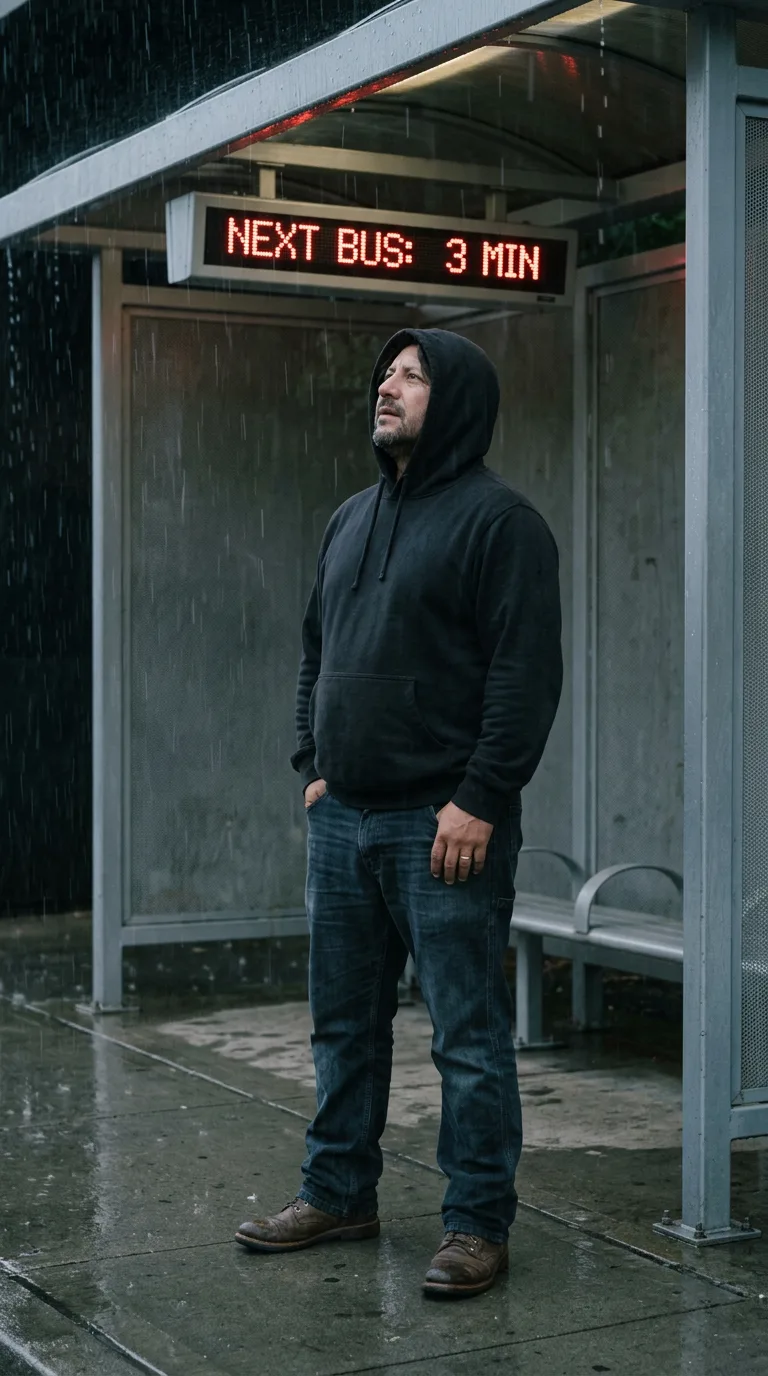
Rarest thing about him: Cigars only — rare, 1 in 28
Season 0seed 590827411 · engine v10
Character card
lineage LJL8SV
His body-swap story
@marco.villagrana, wearing an unnamed body, rolled the wheel on and woke up as Andrés Solano, spent 4 minutes in him, then spun the wheel and woke up as Colby Anselm
The glass shop smells like flux and cut glass, and your gums throb where the front tooth should be — seven minutes in this mouth and it already aches. The kid, Terrell, is loading a sheet into the rack wrong, corner-first, and you told him twice, and your own voice comes out wrong when you correct him, too old for it, too tired for a body that's nineteen. Your phone — his phone — is face up on the bench, cracked, a girl's name on the screen, a message you don't want to answer because you never wanted to be him for longer than the ride. Seven minutes was supposed to be a taste. It isn't. Your knuckles find the site on their own, muscle memory already, thumb over glass, and vessel.cards loads before you've decided anything, the wheel already spinning under your thumb before you call it a decision at all.
Rain first — that's the whole world for a second, rain needling straight down out of a gray Miami dusk, and your face is turned up into it like you asked for it, mouth a little open, and your hood is back off your head and the water is running into your collar and you do not care. Your body is wider than the last one, heavier through the middle, and it aches in the lower back in a low practiced way, the ache of a man who has knelt in dirt for twenty years. There's a shelter behind you, a board reading 3 MIN, red letters swimming in the wet, and you're two steps out from under it, standing in the runoff like a man greeting something.
The trowel isn't in your hand now but your hand remembers it — a ghost weight in the palm, the exact worn balance of the handle, and that's the first door: a trench in full sun, string lines pulled taut and square, kneeling with your knees screaming, brushing dirt off something four hundred years dead with the same care you'd use on a sleeping child, and the particular quiet pride of finding a thing nobody has touched since it was buried. That's Andrés's whole life in one motion, and it comes with heat, real Florida heat, sweat in the eyebrows, a satisfaction so plain it isn't even proud of itself.
The jeans are next — dark, going see-through at the knee with rain — and touching them gives you this morning, his hands doing up the same button they do every morning, standing in a bathroom with bad grout he keeps meaning to redo, his wife's voice from the other room asking if he's taking the truck or the bus because the truck's making that noise again, and him saying bus, easier, and meaning it, because some part of him likes the walk to the stop, likes being alone in his own head for six minutes before the day starts belonging to other people. The boots — worn brown leather, laced twice around because the eyelets tore — remember fieldwork, remember a dig in Belize a decade back, remember standing in them at his oldest kid's graduation with dirt still in the stitching because there hadn't been time to buy new ones and nobody noticed, or if they noticed nobody said.
The wedding band is cold and it opens the widest door of all: a woman he still, after seventeen years, turns to look at across a room without deciding to. Three kids, loud at dinner, the specific chaos of a house that never has enough towels. He is not a passionate man about most things but he is patient in a way that reads, from outside, like devotion, and it is. He quit drinking somewhere in his thirties without a story attached to it, just tired of the mornings, and he never talks about the back pain except with his hands, which drum against tables, dashboards, trowels, anything flat, a rhythm that means nothing except that he is thinking. He smokes a cigar twice a month on the balcony, pastel paint peeling at the rail, the ocean throwing haze up over the neon on the wet street below, and he does not think of it as a habit, just as a thing that is his.
None of it is dramatic. That's what gets you, standing here soaked to the skin in a stranger's aching body — there is no wound in this man anywhere you can find. He is only tired the way work tires you, and loved the way years love you, and none of it was ever going to be yours to keep, and all of it is, right now, more than the boy in Phoenix with the broken phone and the missing tooth ever gave you in seven minutes.
You bring your hand up out of the rain and look at it — thick fingers, a plain gold band, dirt worked so far into the knuckle lines it will outlive the man. You turn it once, like it might mean something different from this angle. It doesn't. You lift your eyes off it, into the wet gray evening, and you say, to no one, in a voice that still surprises you with how much it doesn't hurt to use:
"Okay."