Wendell Otis Granger
Fictional. Generated by AI — not a real person, and no likeness of one is intended.
63, retired in Phoenix · rolled by @declan.michael.farrow · card — no film
History
who has worn him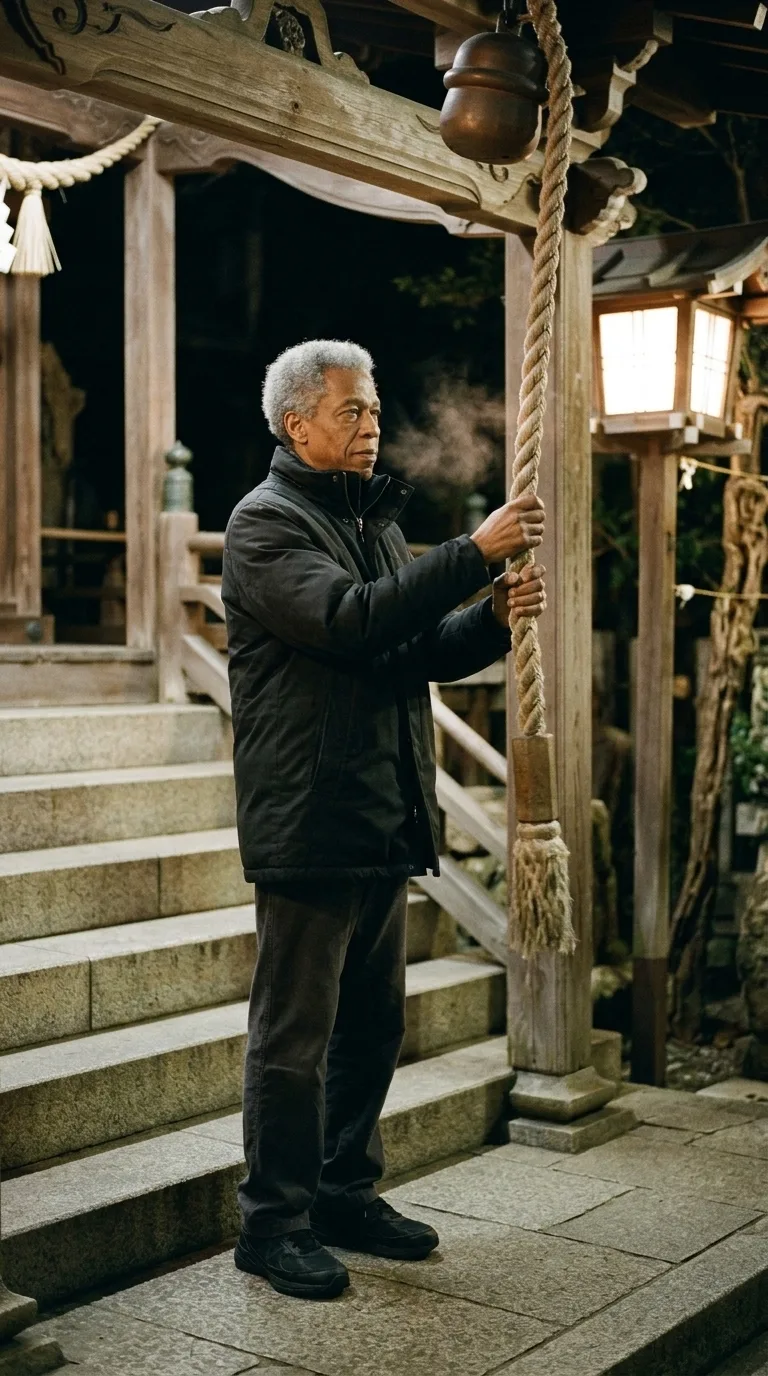
Rarest thing about him: Making a wish — common, 1 in 65
Face-off rating 1500 · not ranked yet
Season 1seed 627311213 · engine v11
Character card
lineage 5OR92V
His body-swap story
@declan.michael.farrow, wearing Leon Dupré Cardinal, rolled the wheel on and woke up as Wendell Otis Granger, spent under a minute in him, then spun the wheel and woke up as Samir Haddad Khoury
You are in Leon Cardinal's kitchen in New Orleans, and the compressor in his refrigerator is cycling on, and you know the sound the way he would. Fifty-four years of it live in your ears. The dimples ache a little when you hold your face still. The belly presses the counter edge. You have worn this body for less than a minute, and already you are standing at his sink at midnight with the phone lit in his hand, and the thing you wanted from him is not here. He is good with his hands. He is kind to the dead appliance. But he is a man who fixes what is broken, and nothing in him wants anything, and the wanting is all you are. So you press the button.
The cold comes first. It is not a cold you carry in; you simply have it, the zipper's teeth under your chin, the air biting your wet teeth. Your hands are up and closed around a rope, thick, rough, wound hemp, and your arms are already moving through the swing. The bell speaks above you. The sound goes out and hangs, a half-second longer than it should, and you feel your palms clap twice, the left ring finger meeting a band of metal. Your breath goes up white.
The bow starts, and you let it go too far down. You want to see how far this one goes. The spine counts it: sixty-three years, a soft middle, a lower back that stops you with a warning. You hold there, blood in your ears, and then you rise, level and exact, because his body knows how to rise.
Then the jacket gives you the first of him. The padded collar against your jaw, and suddenly it is this morning: his hand finding the zipper pull in a hallway, his wife's voice from the kitchen saying take the heavy one, it's going to drop, and him answering that it never drops that far, and her saying, Wendell. The way she says it. Forty years of it in two syllables. He zips to the chin to please her and doesn't mind.
The rope is rougher in your fingers now, and it gives you something older: a different rope, a church bell cord, a boy of ten hauling it on Sunday and the whole sky shaking. A deacon's hand over his. The hymn afterward, his mother's alto under it. He prayed there the way you pray at a counter, plainly, without expecting to be answered. Tonight he came to a stranger's shrine because the steps were empty and the wish was too big for any pew. You get the wish like a stone in a pocket. It is about his daughter, and it is not a thing he said aloud to anyone. He has not touched a drink in eleven years, and the thing he is ashamed of is that his daughter knows exactly what year it was.
Your left hand rises on its own and touches your cheek, the smooth jaw, the shaving he did this morning, the small nick-less care of it. That is his habit: the hand goes to the face when he is afraid. Under his shoes the stone is wet and deep. His knees feel it. His feet are flat, his arches tired, and the body hums with a long retirement, with mornings on a porch and coffee going cold, with the money that never came and the not minding anymore. Nothing to his name. A wife, a daughter, a ring.
You lift the hand and turn it over. The palm is creased and unfamiliar, a stranger's, and yours.
You look up, and say, quietly, to the dark, "Thank you for the wish."
The bell is still faintly humming. You wonder how long before the wanting comes back, and whether you will still be him when the light comes.